


The best low sugar cereal for kids gives parents everything they actually want at breakfast: a familiar taste, real grains, and noticeably less added sugar than what sits on most cereal aisle shelves. Many families start searching for this because traditional kids' cereals often pack in refined sugar, artificial colors, and long lists of engineered ingredients. In contrast, a smarter option exists at the intersection of nostalgia and nutrition, and it does not require sacrificing the taste kids love.
Quick Answer: The best low sugar cereal for kids is one made from whole or ancient grains, lightly sweetened with real honey or monk fruit, and free from refined cane sugar, seed oils, and artificial additives. Look for options with 6 grams of sugar or less per serving that also provide a good source of fiber.
What Is the Best Low Sugar Cereal for Kids?
In simple terms, the best low sugar cereal for kids is a cereal that keeps added sugar low, typically under 6 grams per serving, while still tasting like a cereal kids genuinely want to eat. It relies on whole or ancient grains rather than refined flour, and it uses natural sweeteners such as organic honey or monk fruit instead of refined cane sugar.
Cereals like Good Grains' Organic Honey Puffs meet this standard by combining organic Khorasan wheat, an ancient grain with more fiber and protein than modern hybridized wheat, with a gentle puffing process. As a result, the cereal keeps its natural grain structure instead of being heavily extruded into engineered shapes.
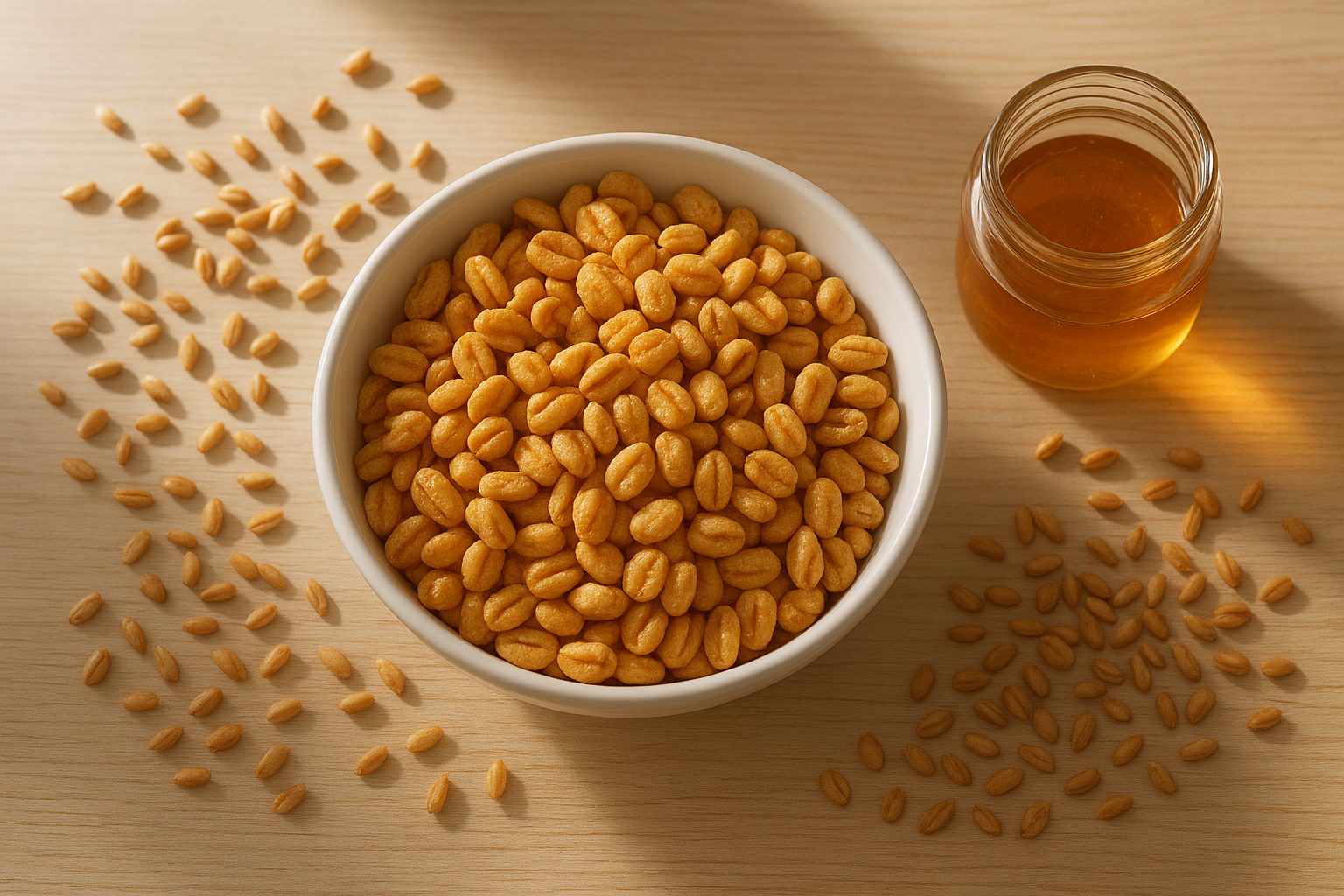
A bowl of puffed whole-grain cereal represents what the best low sugar cereal for kids should look like on the shelf and at the table.
Why Sugar in Kids' Cereal Matters
Sugar content matters because breakfast sets the tone for a child's entire morning. According to the American Heart Association, children should generally consume no more than 25 grams of added sugar per day, yet a single serving of some traditional cereals contains 10 to 15 grams before milk is even added. That means one bowl can use up more than half of a child's daily sugar budget before the school bus arrives.
Consequently, a high-sugar breakfast often leads to a quick energy spike followed by a mid-morning crash. In contrast, a lower sugar cereal paired with whole grains and fiber tends to release energy more steadily, which can support better focus in the classroom.
What Makes a Cereal Truly Low in Sugar?
Not every cereal marketed as "healthy" actually qualifies as a low sugar breakfast cereal. Specifically, a truly low sugar cereal keeps added sugar to 6 grams or less per serving and sources that sweetness from recognizable ingredients rather than refined cane sugar or corn syrup.
In addition, the grain itself matters. A cereal built on whole or ancient grains naturally carries more fiber and protein, which slows digestion and reduces the need for added sweetness to make the product palatable. This is one reason Good Grains uses organic monk fruit alongside organic honey, since the combination allows for a familiar sweet taste at a fraction of the sugar found in many children's cereals.
For a deeper breakdown of sugar thresholds and label reading, this complete guide to low sugar cereal for families covers additional label-reading tips worth reviewing before your next grocery trip.
Best Low Sugar Cereal for Kids: Top Picks Parents Trust
When comparing options, a handful of qualities separate the best low sugar cereal for kids from cereals that simply claim to be healthier. Below is a quick comparison of what to look for versus what tends to appear in conventional cereal.
| Feature | Low Sugar Cereal Standard | Typical Conventional Cereal |
|---|---|---|
| Sugar per serving | 6g or less | 10g to 15g |
| Sweetener source | Organic honey, monk fruit | Refined cane sugar, corn syrup |
| Grain type | Whole or ancient grains (Khorasan wheat, corn) | Refined flour |
| Processing method | Gently puffed | Heavily extruded |
Good Grains offers several options that fit this standard, including Organic Honey Puffs, Organic Cinnamon cereal, Organic Chocolate cereal, and Organic Corn Puffs. Each variety is USDA Organic, made without seed oils or artificial additives, and independently Non-UPF Verified. You can review the full lineup directly at goodgrains.com.
For families who want a fiber-forward option specifically, this guide to high fiber breakfast cereal without refined sugar pairs well with the sugar-focused criteria covered here.
How to Choose a Low Sugar Cereal for Your Family
Choosing the right box does not need to be complicated. Follow these steps to evaluate any cereal box with confidence:
- Check the sugar line first. Look at grams of sugar per serving before anything else, aiming for 6 grams or less.
- Read the full ingredient list. Watch for refined cane sugar, seed oils, artificial colors, and preservatives near the top of the list.
- Look for whole or ancient grains. Confirm the first ingredient is a real grain rather than refined flour.
- Verify third-party certifications. Labels like USDA Organic and Non-UPF Verified confirm claims instead of relying on marketing alone.
- Test taste with a small box first. Let kids try the new cereal alongside a familiar favorite before fully switching.
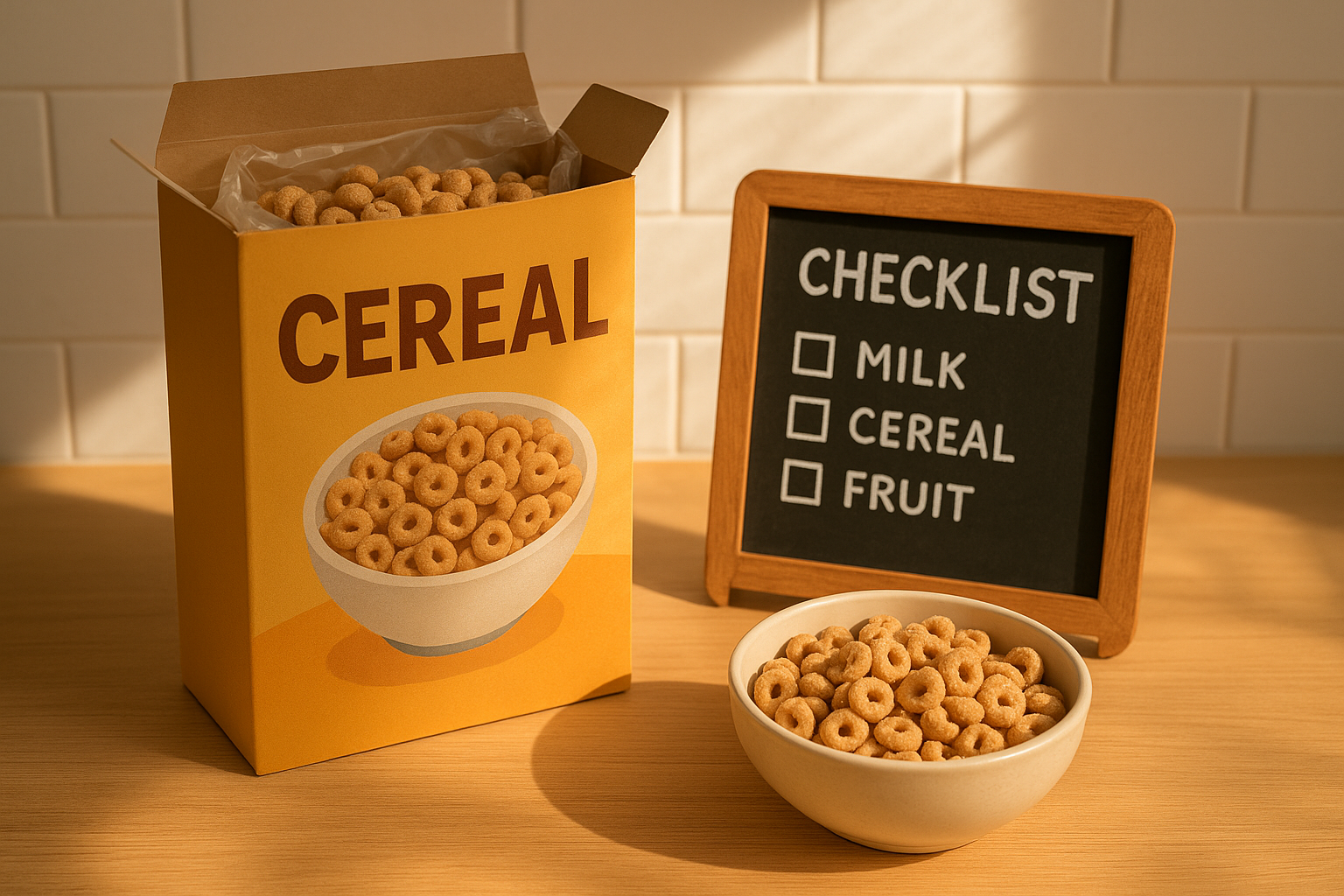
Reading the nutrition label carefully is one of the fastest ways to spot a genuinely low sugar cereal.
Puffed vs. Extruded Cereal: Why Processing Matters
Beyond sugar, how a cereal is physically made affects how minimally processed it truly is. Extrusion forces grain slurry through high heat and pressure to create uniform shapes, a process associated with the category of foods researchers describe as ultra-processed food, meaning food formulated primarily from industrial ingredients and processes rather than intact whole foods.
Puffing, by contrast, uses steam pressure to expand the grain kernel itself, retaining more of its natural structure and character. As a result, puffed cereals tend to sit closer to the whole-food end of the spectrum, which is part of why Good Grains pursued Non-UPF Verified certification rather than simply claiming to be "natural."
Similarly, glyphosate residue is another processing-adjacent concern for parents. Glyphosate is an herbicide commonly used in conventional grain farming, and testing standards from the U.S. Environmental Protection Agency guide how residue limits are set. Cereals labeled Glyphosate Residue Free undergo independent testing to confirm they fall below strict thresholds, giving families another layer of assurance beyond taste and sugar content.
If you are still comparing organic options broadly, this organic cereal guide for kids and this overview of clean cereal for kids both expand on certification standards mentioned here.
Does Low Sugar Cereal With Honey Still Count?
Yes, cereal sweetened with honey can still qualify as a low sugar option, provided the total sugar per serving stays low overall. Honey contributes natural sweetness in smaller amounts than refined sugar typically requires, which is why pairing it with monk fruit allows brands to reduce total added sugar while keeping the familiar taste kids expect.
For a closer look at how honey-sweetened cereals stack up nutritionally, this article on low sugar cereal with honey breaks down exactly what to check on the label.
Frequently Asked Questions
What is the best low sugar cereal for kids?
The best low sugar cereal for kids is made from whole or ancient grains, sweetened lightly with honey or monk fruit instead of refined cane sugar, and free from artificial colors and preservatives. It typically contains 6 grams of sugar or less per serving while still delivering fiber and a familiar cereal taste.
How much sugar should be in a healthy kids' cereal?
Most nutrition guidance suggests looking for cereals with 6 grams of sugar or less per serving. Many traditional children's cereals contain 10 to 15 grams per serving, which can quickly use up a child's daily added sugar allowance.
Why is too much sugar bad for kids at breakfast?
High-sugar breakfasts cause quick blood sugar spikes followed by energy crashes, which can affect mood and focus at school. Over time, excess added sugar is also linked to higher risks of weight gain and dental issues in children.
Is puffed cereal healthier than extruded cereal?
Puffed cereal is generally made using a gentler process that retains more of the grain's natural structure, while extruded cereal is heavily engineered into uniform shapes under high heat and pressure. Many parents prefer puffed options because they undergo less mechanical processing.
What ingredients should I avoid in kids' cereal?
Look out for refined cane sugar, seed oils, artificial colors, artificial flavors, and preservatives on the ingredient label. These additives are common markers of heavily processed cereals that offer little nutritional benefit.
Are ancient grains better than regular wheat for cereal?
Ancient grains like Khorasan wheat are less hybridized than modern wheat varieties and often provide more fiber and protein per serving. They also tend to have a nuttier, more satisfying flavor that holds up well in puffed cereal.
Can low sugar cereal still taste good to kids?
Yes, low sugar cereal can taste just as good as traditional cereal when it uses natural sweeteners like organic honey and monk fruit. The key is balancing sweetness with the natural flavor of whole grains instead of relying on refined sugar alone.
What is a Non-UPF Verified cereal?
Non-UPF Verified is a third-party certification confirming that a food product does not meet the criteria for ultra-processed food. It gives parents an independent signal beyond marketing claims that a cereal is minimally processed.
How is glyphosate related to cereal ingredients?
Glyphosate is a widely used herbicide that can leave residue on conventionally grown grains used in some cereals. Cereals labeled Glyphosate Residue Free undergo testing to confirm they meet strict residue thresholds.
Does organic cereal cost more than regular cereal?
Organic, minimally processed cereals often cost more per box than conventional mainstream cereals due to sourcing and certification costs. Many parents view the price difference as worthwhile given the reduction in added sugar and processed ingredients.
What is the most common mistake parents make when choosing cereal?
A common mistake is trusting front-of-box claims like "whole grain" or "natural" without checking the actual sugar content and ingredient list. Marketing language is not regulated the same way nutrition facts are, so the label on the back tells the real story.
How long does it take to switch kids to a lower sugar cereal?
Most families see kids adjust within one to two weeks of gradually introducing a lower sugar cereal alongside familiar favorites. Mixing a new option with a current cereal at first can ease the transition without a sudden taste change.
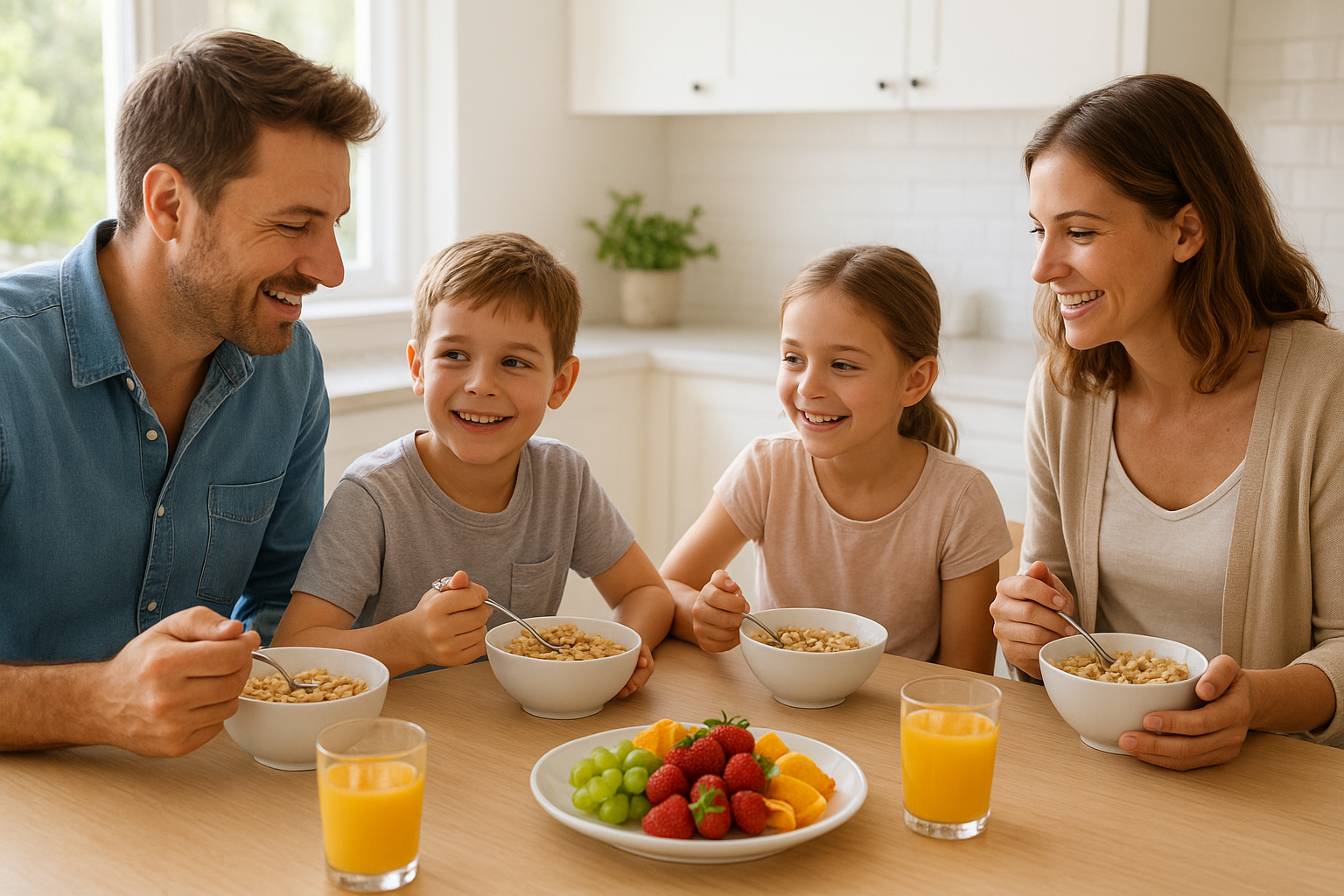
A simple, low sugar breakfast can bring the whole family together without sacrificing taste.
Final Thoughts on Choosing the Best Low Sugar Cereal
Ultimately, finding the best low sugar cereal for kids comes down to checking three things every time: the sugar line, the ingredient list, and the certifications behind the box. Therefore, families do not need to choose between nostalgia and nutrition. As reference resources like Good Grains demonstrate, organic whole grains, gentle puffing, and honest labeling can deliver a cereal that tastes like childhood while supporting a healthier breakfast routine. In short, the best low sugar cereal for kids is within reach for any parent willing to flip the box over and read the back label before buying.
0 comments