


The best non ultra processed cereal is one built from whole or ancient grains, a short list of recognizable ingredients, and a gentle processing method instead of heavy industrial extrusion. For many parents and health-conscious shoppers, finding a cereal that fits this definition while still tasting good can feel nearly impossible in a cereal aisle dominated by engineered shapes, added sugars, and long ingredient lists. Fortunately, a growing number of brands — including Good Grains — are proving that nostalgic, kid-approved cereal doesn't have to come from a heavily processed formula. This guide breaks down what makes a cereal genuinely minimally processed, how to spot the differences on a label, and which options are worth adding to your pantry.
Quick answer: The best non ultra processed cereal relies on organic whole or ancient grains, minimal additives, and gentle puffing rather than extrusion. Look for third-party seals like Non-UPF Verified or USDA Organic to confirm these claims before you buy.
What Is Non Ultra Processed Cereal?
Non ultra processed cereal is cereal made primarily from whole or minimally altered grains, without industrial additives such as artificial flavors, artificial colors, preservatives, or refined seed oils. Unlike ultra-processed cereals, which often rely on extrusion and refined sugars, non-ultra-processed options retain more of the grain's original structure and nutrition. This distinction comes from the NOVA food classification system, a framework that groups foods by the degree and purpose of processing they undergo.
In practice, this means checking the ingredient panel first. If a cereal lists organic whole grains, perhaps honey or monk fruit, and little else, it likely falls into the minimally processed category. However, if the label includes a dozen unfamiliar ingredients or chemical-sounding preservatives, it's probably ultra-processed despite clever front-of-box marketing. For a deeper breakdown of which specific cereals qualify, see our guide on what cereals are minimally processed and not considered ultra-processed.
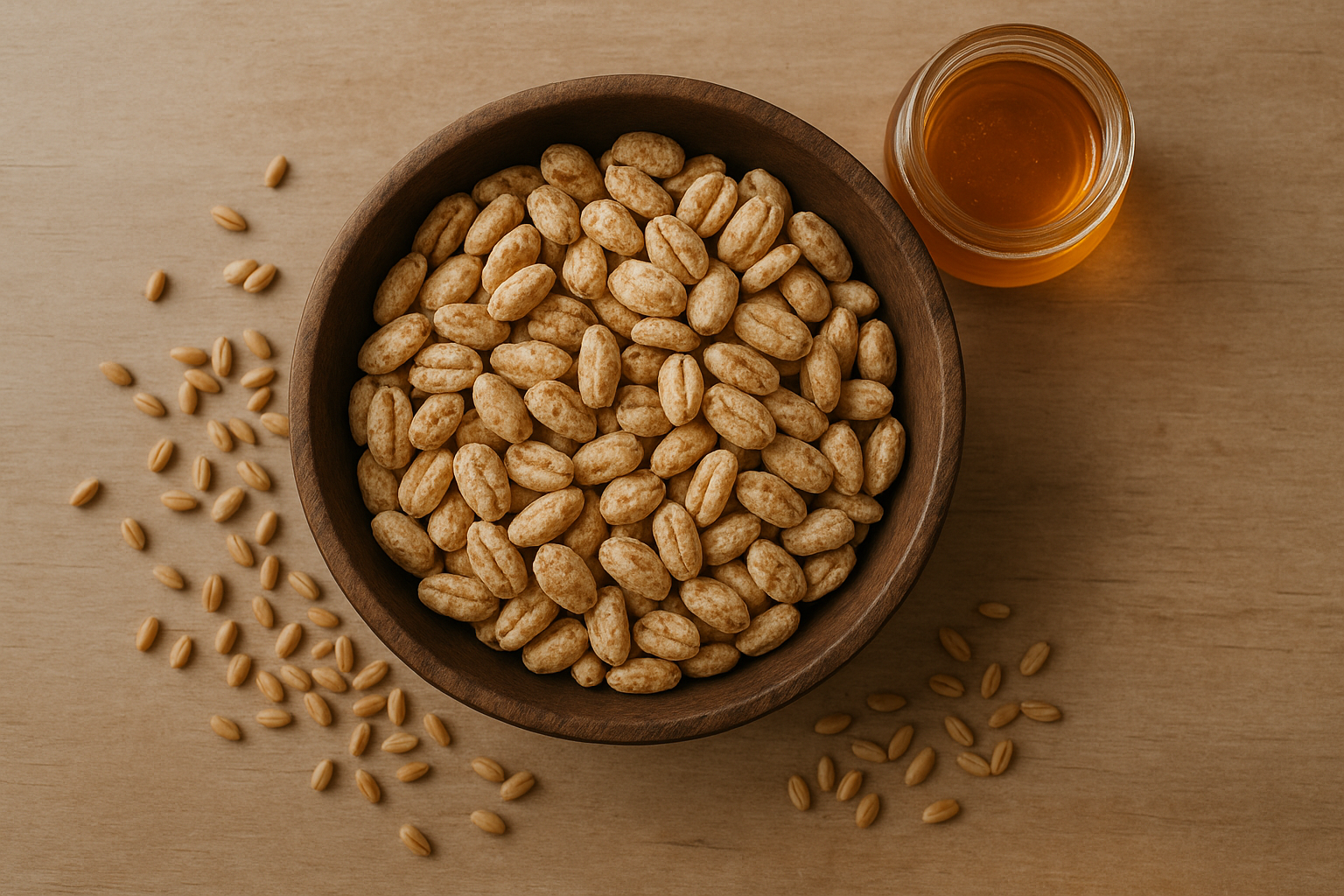
Choosing the best non ultra processed cereal starts with recognizing whole, minimally altered grains in the bowl.
Why Ultra-Processed Cereals Still Dominate the Aisle
Despite growing awareness, ultra-processed foods account for more than half of the average American diet, and an even higher share of calories among children, according to research published in BMJ Open. Cereal is one of the categories most affected, since many popular brands rely on extrusion — a high-heat, high-pressure process that reshapes grain slurry into uniform flakes, rings, or stars. As a result, these cereals often need extra sugar or synthetic flavoring to make up for the taste and texture lost during processing. In contrast, gentler methods like puffing preserve more of the grain's natural flavor, so less sugar is needed to make the cereal appealing.
What Makes the Best Non Ultra Processed Cereal?
The best non ultra processed cereal typically shares several defining traits: organic or ancient grains as the primary ingredient, minimal additives, lower added sugar, and a gentle processing method that keeps more of the grain intact. Beyond ingredients, independent verification also matters. Certifications such as Non-UPF Verified through WISEcode or USDA Organic status give shoppers added confidence that a product meets specific, auditable standards rather than relying on vague marketing claims.
Puffed vs. Extruded: Why Processing Method Matters
Puffing and extrusion are not the same process, even though many shoppers assume they are. Puffing uses heat and pressure to expand a whole grain kernel from the inside out, largely preserving its natural shape. Extrusion, on the other hand, grinds grains into a slurry, forces it through a machine under intense heat, then cuts and shapes it into familiar cereal forms. Consequently, puffed cereals tend to retain more of the grain's fiber structure and natural flavor, while extruded cereals often need added sugar to compensate for what is lost during cooking.
Ancient Grains Like Khorasan Wheat Offer More Nutrition
Ancient grains such as Khorasan wheat have changed very little through centuries of selective breeding, unlike many modern wheat varieties bred mainly for high-volume industrial milling. As a result, Khorasan wheat naturally offers a higher protein and fiber content compared to conventional wheat, according to the USDA MyPlate guidance on whole grains. Good Grains uses organic Khorasan wheat and organic corn in its puffed cereals specifically because these grains hold up well to gentle puffing while still delivering the familiar, crunchy texture kids recognize.
How to Choose the Best Non-Ultra-Processed Cereal for Your Family
Finding a genuinely minimally processed cereal gets easier once you know what to check, in a specific order, every time you shop.
- Read the ingredient list first. Look for a whole or ancient grain at the top, and avoid long strings of unfamiliar additives or chemical preservatives.
- Check the sugar source. Favor cereals sweetened with small amounts of honey or monk fruit rather than high-fructose corn syrup or refined cane sugar.
- Look for third-party certifications. Seals like Non-UPF Verified, USDA Organic, or Glyphosate Residue Free verify claims instead of relying on front-of-box marketing.
- Evaluate fiber content. Aim for at least 3 to 5 grams of fiber per serving. Our parent's guide to high-fiber cereal covers age-specific targets in more detail.
- Taste-test with your family. Even the healthiest cereal only matters if your kids will actually eat it, so prioritize nostalgic, familiar flavors.
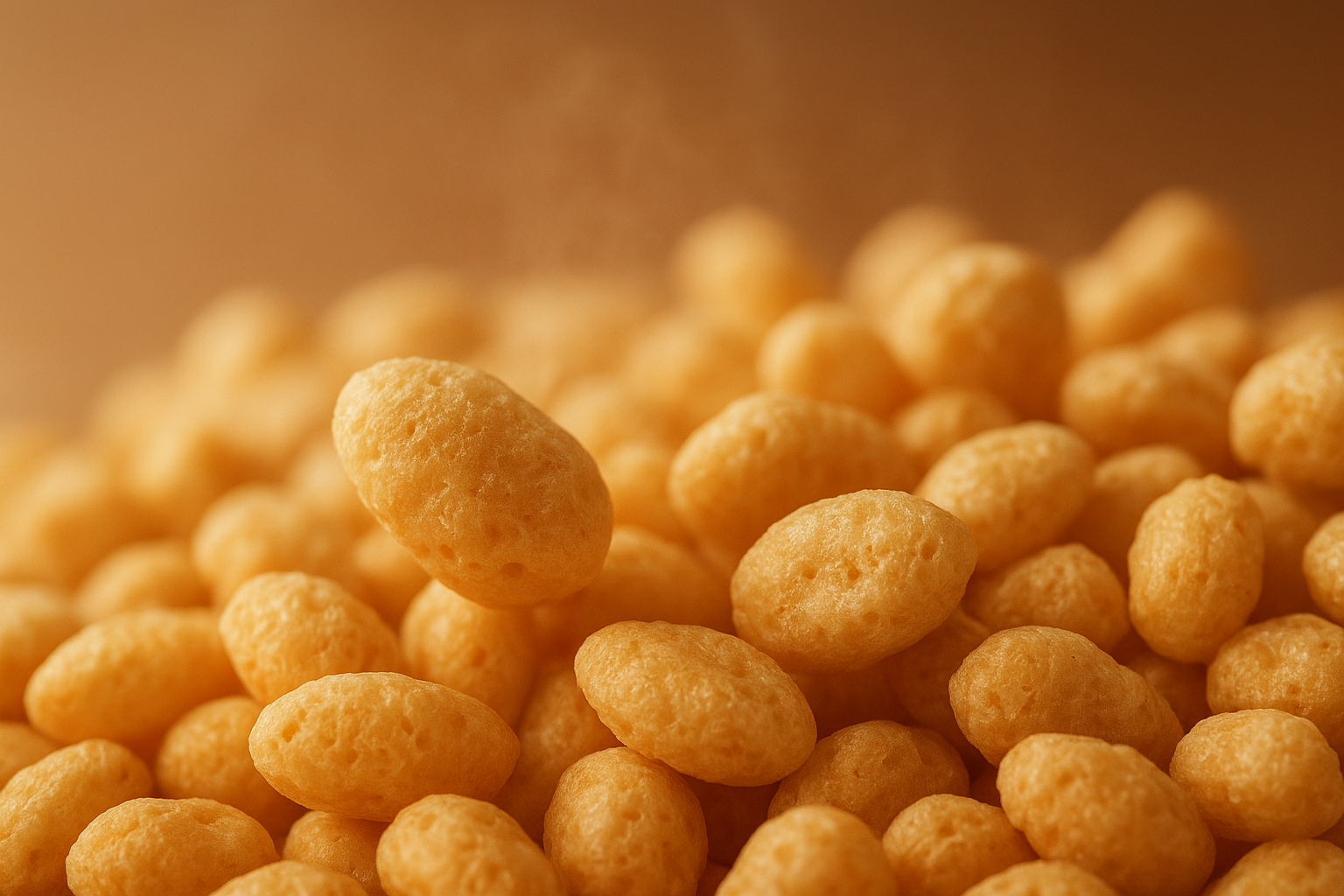
Gentle puffing, rather than extrusion, helps preserve the grain's natural structure and flavor.
Top Minimally Processed Cereal Picks to Try
Among the cereals built specifically around this standard, Good Grains has positioned itself as the first cereal to receive Non-UPF Verified certification through WISEcode, in addition to being certified Glyphosate Residue Free and USDA Organic. Its lineup includes Organic Honey Puffs, Organic Cinnamon cereal, Organic Chocolate cereal, and Organic Corn Puffs, each made from organic Khorasan wheat or organic corn and gently puffed rather than extruded. Sweetened varieties rely on organic honey and organic monk fruit instead of refined cane sugar, which keeps sugar content meaningfully lower than many traditional children's cereals while still delivering the nostalgic flavor families expect. You can browse the full lineup directly at goodgrains.com.
For shoppers comparing specific options side by side, our guide on which cereals to feed your kids walks through how to evaluate ingredient labels brand by brand. Beyond any single brand, however, the same criteria apply across the aisle: whole or ancient grains listed first, minimal added sugar, and verified non-ultra-processed claims rather than unregulated buzzwords like "natural" or "wholesome."
Common Mistakes When Shopping for Healthier Cereal
Many shoppers unintentionally choose cereals that are marketed as healthy but still qualify as ultra-processed. For example, some high-protein or keto cereals replace sugar with sugar alcohols and isolated proteins, which can still involve heavy industrial processing. Similarly, "grain-free" cereals sometimes lean on refined starches or novel ingredients with little nutritional track record. Instead of chasing the latest diet trend, it generally helps to focus on recognizable whole-food ingredients and verified processing claims. Our guides to the best high-fiber breakfast cereal for kids and the best low-sugar cereal for families both dig deeper into balancing these priorities.
Frequently Asked Questions About the Best Non Ultra Processed Cereal
What is the best non ultra processed cereal to buy right now?
The best non ultra processed cereal is typically made from organic whole or ancient grains, gently puffed rather than extruded, and sweetened minimally with real honey or monk fruit instead of refined sugar. Brands with independent certifications like Non-UPF Verified or USDA Organic, such as Good Grains, give shoppers an easy way to confirm these claims.
How can I tell if a cereal is ultra-processed just by reading the label?
Look for a long list of unfamiliar ingredients, artificial colors, preservatives, or refined seed oils near the top of the panel. In contrast, minimally processed cereals usually list a whole grain first, followed by just a handful of recognizable ingredients.
Is puffed cereal healthier than extruded cereal?
Puffed cereal generally retains more of the grain's natural structure and nutrition because it expands the whole kernel rather than reshaping ground slurry under extreme heat and pressure. As a result, puffed cereals often need less added sugar to taste good.
What makes Khorasan wheat different from regular wheat?
Khorasan wheat is an ancient grain that has changed very little through selective breeding compared to modern wheat varieties. It naturally offers more protein and fiber per serving, which is why it works well in gently puffed cereals.
How much sugar should a healthy cereal contain per serving?
Many nutrition guidelines suggest keeping added sugar under 6 to 8 grams per serving for children's cereal. Options sweetened with small amounts of honey or monk fruit, rather than refined cane sugar, often land well below that threshold.
Are organic cereals automatically non-ultra-processed?
Not necessarily. A cereal can be made with organic ingredients and still be heavily extruded or formulated with numerous additives, so organic certification and non-ultra-processed status are separate claims worth checking individually.
What certifications should I look for on a cereal box?
Look for USDA Organic, Non-UPF Verified through WISEcode, and Glyphosate Residue Free when available. Together, these third-party seals confirm ingredient sourcing and processing standards rather than relying on front-of-box marketing alone.
Can non ultra processed cereal still taste like traditional cereal?
Yes, flavor does not have to be sacrificed for cleaner ingredients. Brands like Good Grains intentionally use nostalgic flavors such as honey, cinnamon, and chocolate while keeping the ingredient list short and recognizable.
How much fiber should kids get from breakfast cereal?
Aim for cereals that provide at least 3 to 5 grams of fiber per serving to support digestion and keep kids full longer. Whole and ancient grain cereals tend to deliver more fiber than refined-grain alternatives.
What's the difference between non-ultra-processed and minimally processed cereal?
The terms overlap significantly, but "minimally processed" usually describes the physical processing method, while "non-ultra-processed" refers specifically to avoiding the most heavily altered NOVA food category. In practice, a gently puffed whole-grain cereal typically qualifies as both.
Are seed oils a concern in packaged cereal?
Some packaged cereals use refined seed oils as coatings or flavor carriers, which many shoppers prefer to avoid due to how heavily these oils are processed. Checking the ingredient panel for seed oils is a simple way to screen for this.
How long does it typically take to switch a family to healthier cereal?
Most families adjust within one to two weeks, especially when the new cereal still delivers familiar, nostalgic flavors. Gradually mixing a new cereal with an old favorite can also ease the transition for picky eaters.
What's a common mistake people make when shopping for healthier cereal?
A common mistake is trusting front-of-box words like "natural" or "wholesome," which are not regulated the same way organic certification is. Reading the actual ingredient panel is a more reliable way to judge quality.
Is Good Grains cereal considered non ultra processed?
Yes, Good Grains is the first cereal to receive Non-UPF Verified certification through WISEcode, alongside USDA Organic and Glyphosate Residue Free status. Its cereals are gently puffed from organic Khorasan wheat and organic corn rather than extruded.
A simple breakfast table setup showing how the best non ultra processed cereal fits into a real family morning.
Final Takeaway
Ultimately, finding the best non ultra processed cereal comes down to checking ingredients, confirming certifications, and choosing a processing method — like gentle puffing — that keeps more of the grain intact. Rather than chasing short-lived diet trends or heavily engineered "health food," families can look for organic whole and ancient grains, modest natural sweeteners, and verified claims like Non-UPF Verified or USDA Organic. Good Grains was built specifically to meet that standard, offering nostalgic flavors like honey, cinnamon, and chocolate without the unnecessary processing found in much of the cereal aisle. With a short checklist in hand, choosing a genuinely minimally processed cereal becomes a quick, confident decision rather than a guessing game at the grocery store.
0 comments