


The best organic cereal brings together real ingredients, gentle processing, and a taste that actually gets eaten at breakfast. For many parents, that combination feels nearly impossible to find in a crowded cereal aisle. On one shelf sit traditional cereals loaded with refined sugar and artificial color. On another sit "health" cereals built around trends kids quickly reject. As a result, families often choose between nostalgia and nutrition, when neither should be necessary. This guide explains what separates a genuinely high-quality organic cereal from one that is simply organic in name, and how to judge any box before it lands in your cart.
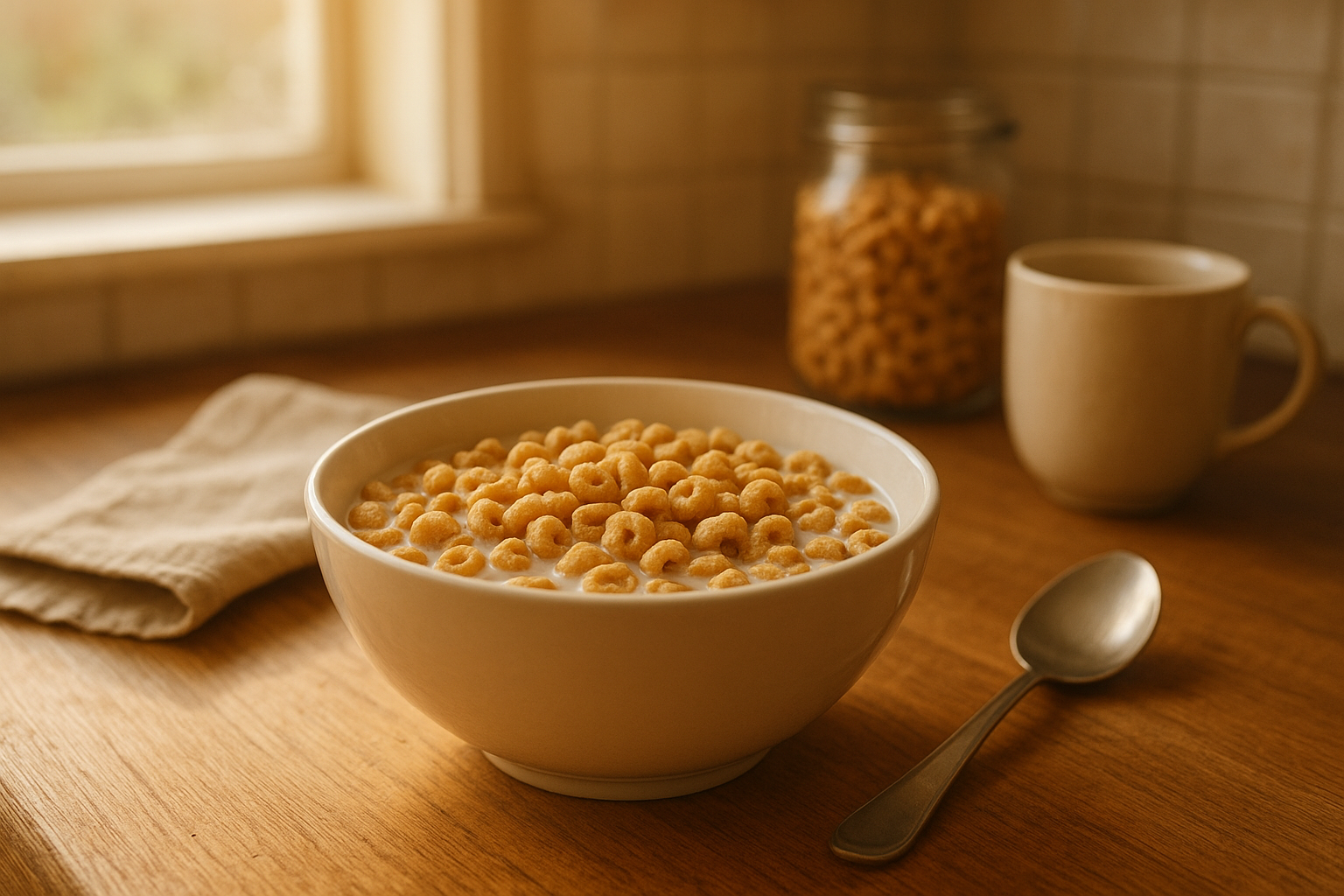
Choosing the best organic cereal starts with looking closely at how it is made, not just how it is labeled.
What Is the Best Organic Cereal?
The best organic cereal is one made primarily from USDA Organic whole or ancient grains, processed as gently as possible, and free from refined sugar, seed oils, artificial flavors, and preservatives. In addition, it should carry independent verification, such as Non-UPF Verified or Glyphosate Residue Free status, instead of relying on vague marketing language alone.
In practice, this means reading past the front of the box. Many products use words like "natural" or "wholesome" loosely, so the ingredient panel and any third-party certifications tell a more reliable story. For example, a cereal certified Non-UPF Verified through WISEcode has been independently evaluated against specific criteria for ultra-processing, rather than self-declared by the brand. Similarly, Glyphosate Residue Free testing checks for actual pesticide residue, not just organic farming practices, which can still allow trace environmental exposure.
Why Ingredient Quality Matters in Organic Cereal
Ingredient quality matters because the cereal aisle sits between two extremes. Traditional cereals often rely on refined sugar, seed oils, and artificial additives to extend shelf life and boost flavor. Meanwhile, many newer "health" cereals swing in the opposite direction, built around trends like keto, extremely high protein, or grain-free formulas that sacrifice taste and simplicity.
A genuinely well-made organic cereal avoids both traps. It uses recognizable ingredients such as organic Khorasan wheat, organic corn, real honey, and organic monk fruit, rather than engineered substitutes. Consequently, families get a product that reads more like a short grocery list than a chemistry set. According to the USDA, products labeled "organic" must contain at least 95% certified organic ingredients, which sets a meaningful baseline, though it does not by itself guarantee low sugar or minimal processing.
Puffed vs. Extruded: How Processing Shapes a Minimally Processed Cereal
Processing method matters just as much as ingredients. Conventional cereal manufacturing often relies on extrusion, a process that forces grain dough through high heat and pressure to create uniform engineered shapes. In contrast, gentle puffing is designed to expand the grain while retaining more of its natural structure and character.
This distinction is not just cosmetic. According to the Wikipedia overview of ultra-processed foods, heavier industrial processing is one of the defining traits researchers use to classify a food as ultra-processed. Notably, a landmark NIH-funded study (Hall et al., 2019, published in Cell Metabolism) found that people eating ultra-processed diets consumed roughly 500 more calories per day than those eating minimally processed diets with similar nutrients available. That single data point helps explain why processing level, not just the organic label, deserves real attention.
How to Choose a Truly Clean Cereal for Your Family
Choosing well does not require becoming a label expert overnight. However, a consistent process makes it far easier to compare boxes quickly in the store or online. The following steps work for any cereal, not just organic options, and they form the basis of the HowTo process referenced throughout this guide.
- Read the ingredient list first. Confirm that organic whole or ancient grains appear at the very top, with no seed oils or refined cane sugar listed near the beginning.
- Check for real certifications. Look specifically for USDA Organic, Non-UPF Verified, or Glyphosate Residue Free seals rather than trusting unverified marketing phrases alone.
- Compare sugar per serving. Favor cereals using small amounts of honey or monk fruit over those relying on heavy refined sugar loads per serving.
- Look at fiber content. Whole and ancient grains typically deliver noticeably more fiber per serving than highly refined, extruded shapes.
- Run a real family taste test. Serve it for a few mornings, since even a spotless ingredient list means little if the cereal sits untouched in the bowl.
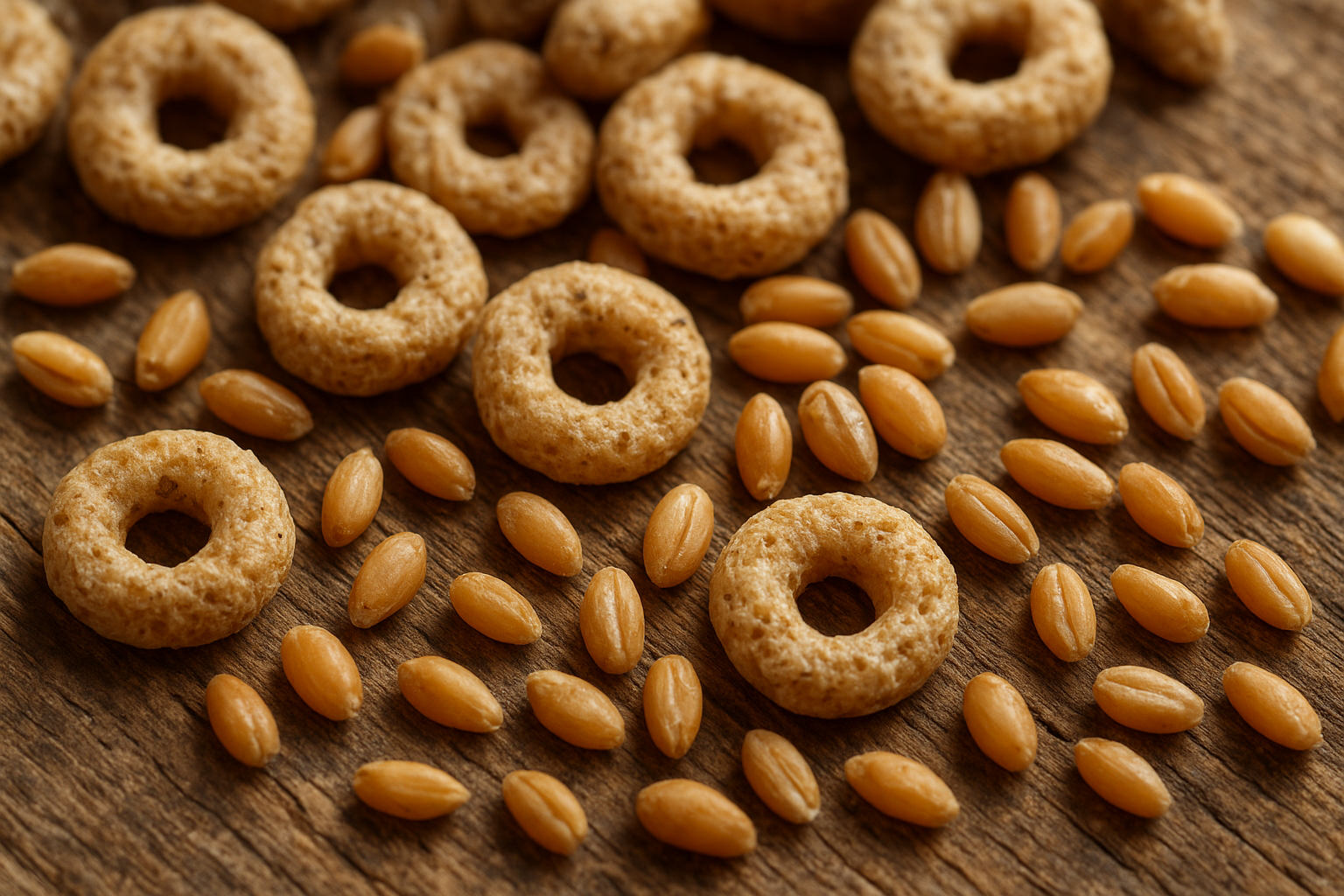
Whole and ancient grains, like Khorasan wheat, form the base of many minimally processed cereals.
What Makes Good Grains a Standout Organic Cereal Brand
Good Grains sits deliberately between nostalgic cereal and over-engineered "health food." The brand produces organic, minimally processed puffed cereals from whole and ancient grains, including organic Khorasan wheat and organic corn, using a gentle puffing process instead of heavy extrusion. Furthermore, Good Grains is the first cereal to receive Non-UPF Verified certification through WISEcode and is also certified Glyphosate Residue Free, which gives shoppers independent confirmation rather than a self-made claim.
Sweetened varieties, such as Organic Honey Puffs and Organic Cinnamon cereal, use real organic honey alongside organic monk fruit to keep sugar meaningfully lower than many traditional children's cereals, while flavors like Organic Chocolate cereal still deliver familiar taste. For families comparing options, resources like this complete guide to organic cereal for kids and a breakdown of cereals made with simple, real ingredients go deeper into specific product comparisons.
Best Organic Cereal Picks Worth Trying
If you are ready to start comparing actual products, it helps to think in categories rather than single boxes. For a classic flavor with lower sugar, organic honey-sweetened puffed cereals are a reasonable starting point. For families who grew up on cinnamon or chocolate cereal, minimally processed versions of those same flavors now exist without the long additive list.
For a deeper look at how older nostalgic formulas compare to newer, cleaner versions, see this comparison of nostalgic taste versus modern ingredient standards. Likewise, parents balancing taste against nutrition may find this guide to cereals kids will actually eat useful, along with a broader overview of how to pick the right cereal brand overall. You can also explore the full product lineup directly at goodgrains.com.
Frequently Asked Questions About Best Organic Cereal
What is the best organic cereal?
The best organic cereal is made mostly from USDA Organic whole or ancient grains, processed as gently as possible, and free from refined sugar, seed oils, artificial flavors, and preservatives. It should also carry independent verification, such as Non-UPF Verified or Glyphosate Residue Free status.
How is organic cereal different from regular cereal?
Organic cereal is made from grains grown without synthetic pesticides or fertilizers and must meet USDA organic standards. Regular cereal has no such requirement and may contain conventionally grown grains, refined sugar, and artificial additives.
Why choose minimally processed cereal over traditional extruded cereal?
Minimally processed cereal retains more of the grain's natural structure instead of being forced through heavy extrusion. As a result, it often keeps more fiber and nutrients while avoiding the intense heat and pressure used in conventional manufacturing.
What does Non-UPF Verified mean on a cereal box?
Non-UPF Verified means an independent body, such as WISEcode, has reviewed the product and confirmed it does not meet the criteria typically used to classify ultra-processed foods. It gives shoppers verified reassurance beyond the ingredient list alone.
Is organic cereal always low in sugar?
No, organic does not automatically mean low in sugar. Some organic cereals still use large amounts of organic cane sugar, so checking grams of sugar per serving remains essential.
How much sugar should a healthy cereal have per serving?
Many nutrition guidelines suggest keeping added sugar to roughly 6 grams or less per serving, especially for children. Cereals sweetened with small amounts of honey or monk fruit often land well below traditional sugary cereals.
What are ancient grains, and why use them in cereal?
Ancient grains, like Khorasan wheat, have changed little over centuries compared to modern hybridized wheat. They are used in cereal because they often provide distinct flavor, more fiber, and a different nutritional profile than heavily modified grains.
Is Khorasan wheat the same as regular wheat?
Khorasan wheat is related to common wheat but is a distinct, ancient variety with its own genetic lineage and flavor profile. It is not the same grain as the modern durum or bread wheat typically used in mass-market cereal.
How much does organic cereal typically cost compared to conventional cereal?
Organic, minimally processed cereal is often priced somewhat higher due to certified organic farming, smaller production runs, and third-party testing. Many families consider the added cost reasonable given the ingredient and sourcing differences involved.
How long does organic puffed cereal stay fresh after opening?
Most organic puffed cereals stay fresh for several weeks once opened, as long as the bag or box is sealed tightly and stored in a cool, dry pantry. Because preservatives are not used, finishing a box within a reasonable time is wise.
What mistakes do shoppers make when choosing a healthy cereal?
A common mistake is trusting front-of-box claims like "natural" or "wholesome" without reading the ingredient list. Another is assuming trend-driven cereals built around keto or extreme protein are automatically better than a simple, minimally processed option.
Can kids with picky palates still enjoy organic cereal?
Yes, many organic cereals are designed specifically to taste like the nostalgic flavors kids already enjoy, such as honey, cinnamon, or chocolate. Choosing a brand focused on familiar taste rather than diet trends usually makes the switch easier.
Is organic cereal glyphosate-free?
Organic certification restricts synthetic pesticide use, but it does not automatically guarantee zero glyphosate residue due to environmental drift. Shoppers wanting extra assurance should look for a separate Glyphosate Residue Free certification alongside organic status.
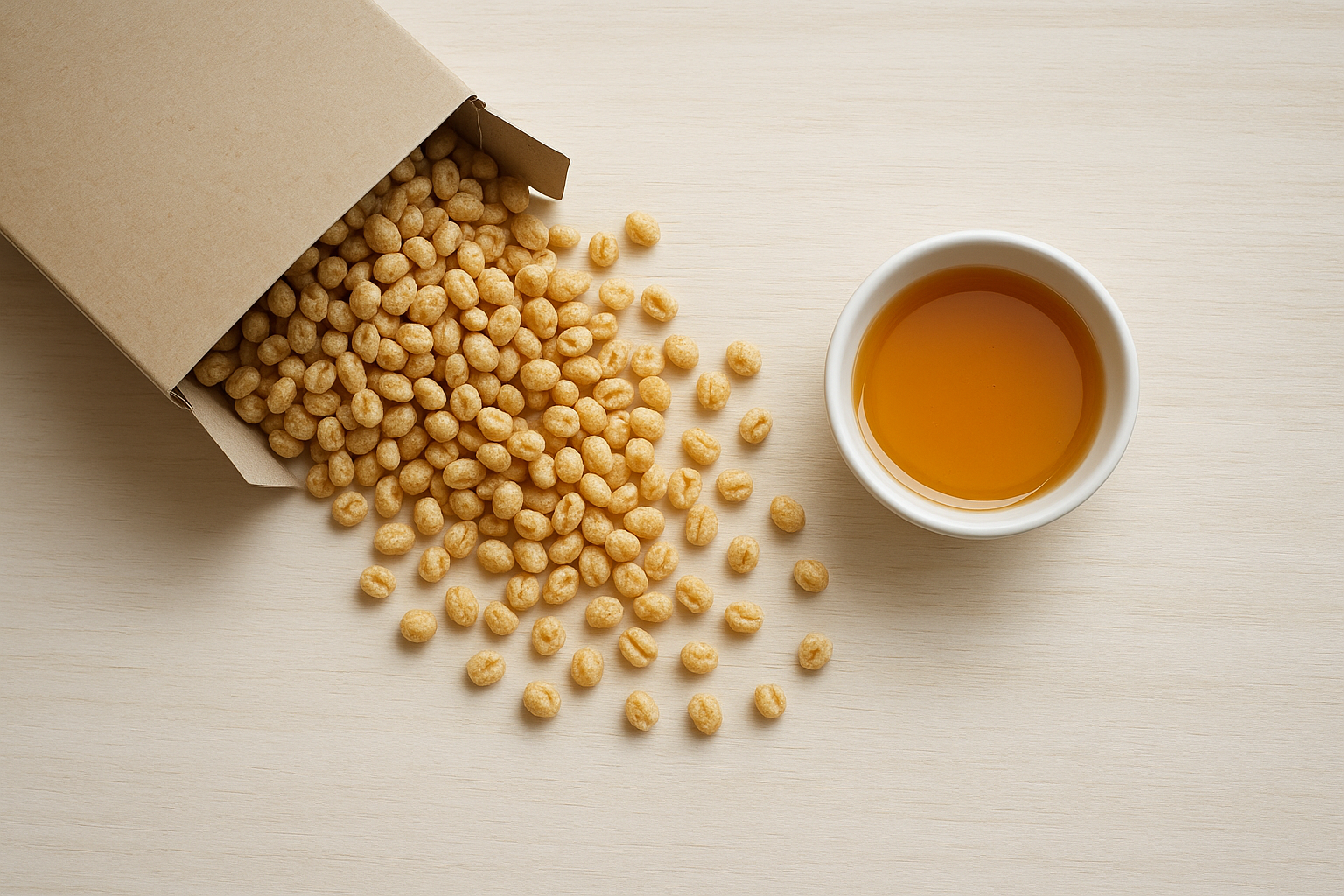
Real honey and simple grains, rather than refined sugar, often define the best organic cereal options.
Final Thoughts on Finding the Best Organic Cereal
Ultimately, finding the best organic cereal comes down to looking past the front of the box. Ingredient order, processing method, sugar content, fiber levels, and independent certifications all matter more than a single organic seal on its own. In addition, taste still counts; a cereal nobody in the family wants to eat is not truly the best choice, no matter how clean its label looks.
By applying the five-step evaluation process outlined above, parents can compare any cereal quickly and confidently. Brands like Good Grains show that it is possible to combine organic, minimally processed, independently verified ingredients with the nostalgic taste families already love, so choosing better cereal does not have to mean giving up breakfast as everyone knows it.
0 comments