


Cereal without cane sugar is exactly what it sounds like: cereal that skips refined cane sugar entirely and relies on other ingredients for sweetness. For many parents, finding a genuinely healthy breakfast option that kids will still eat feels like an impossible task. In particular, refined cane sugar shows up in nearly every conventional cereal box, often disguised under names like sucrose or evaporated cane juice. However, a growing number of brands, including Good Grains, are proving that cereal can taste nostalgic and satisfying without relying on cane sugar at all.
Quick answer: Cereal without cane sugar is any cereal formulated without refined cane sugar, sucrose, or cane syrup, typically sweetened instead with honey, monk fruit, dates, or other natural alternatives. This approach helps reduce added sugar intake while still delivering a sweet, familiar cereal taste.
What Is Cereal Without Cane Sugar?
Cereal without cane sugar refers to breakfast cereal formulated so that cane sugar in any form, including sucrose, brown sugar, or evaporated cane juice, never appears on the ingredient label. Instead, manufacturers use alternative sweeteners or rely on the natural character of the grain itself. As a result, the cereal can still taste sweet without contributing the same spike in added sugar that conventional brands often deliver.
For example, Good Grains sweetens its honey and cinnamon varieties using organic honey combined with organic monk fruit rather than cane sugar. Consequently, the finished cereal keeps sugar content meaningfully lower while still tasting like the nostalgic cereal families grew up eating.
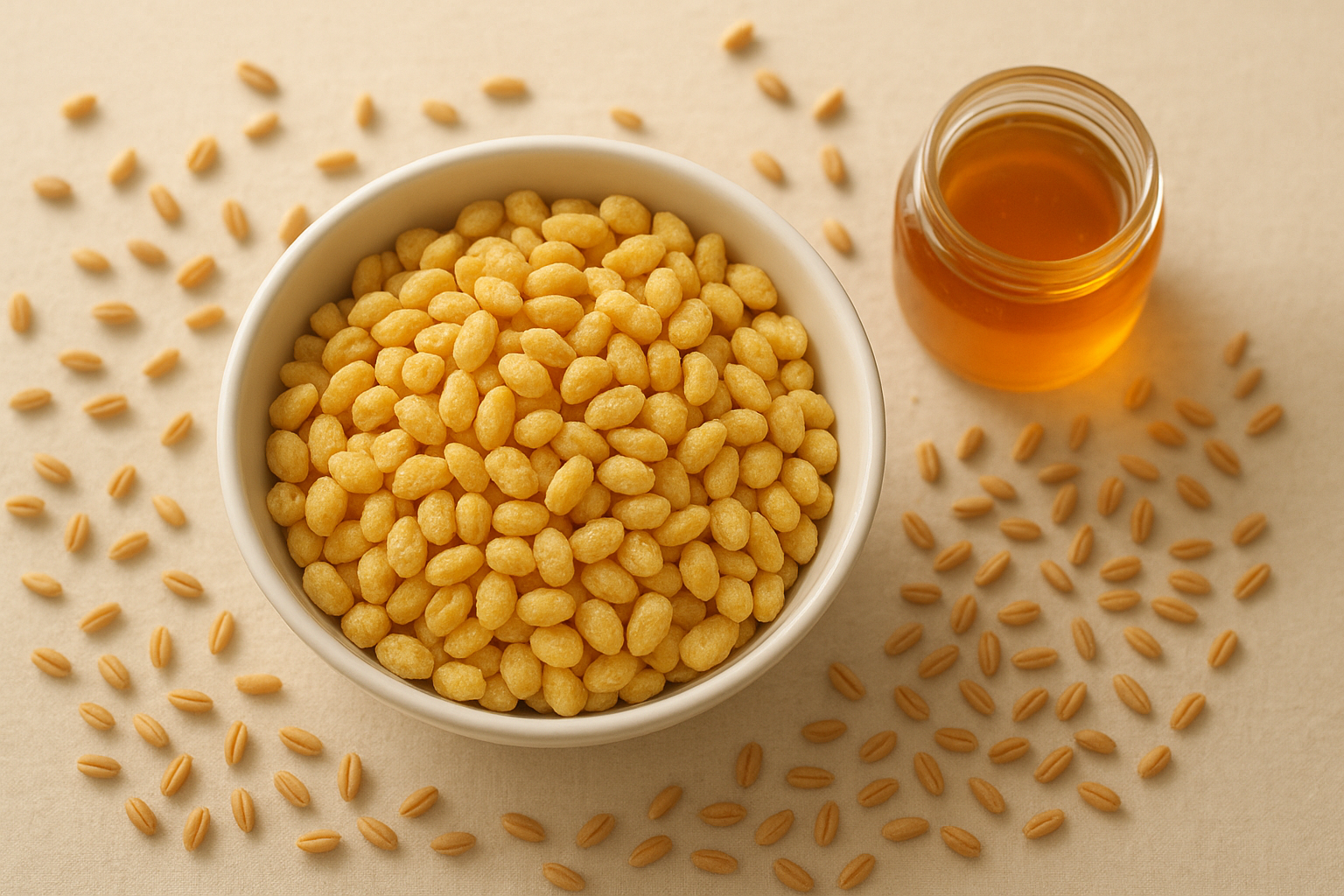
Cereal without cane sugar can still deliver the sweet, familiar taste families expect at breakfast.
Why Refined Sugar-Free Cereal Matters for Families
Refined sugar-free cereal matters because added sugar adds up quickly across a child's day, and breakfast is often the largest single contributor. According to the American Heart Association, children should generally consume no more than 25 grams of added sugar per day, yet a single serving of some traditional cereals can approach half that amount before any milk or toppings are added.
Furthermore, diets high in refined sugar have been associated with energy crashes, mood swings, and long-term metabolic concerns. In contrast, cereals sweetened with lower-glycemic ingredients tend to support steadier energy through the school morning. Therefore, many parents specifically search for cereal without refined sugar as a practical, everyday way to reduce their family's added sugar intake without eliminating cereal from the routine entirely.
For a broader look at how sugar content varies across brands, this complete guide to low-sugar cereal for families breaks down what to look for on nutrition labels.
How Cane Sugar Hides in the Cereal Aisle
Cane sugar hides in the cereal aisle under several different names, which makes ingredient labels harder to interpret than they should be. Terms such as sucrose, cane syrup, evaporated cane juice, and even some forms of "organic cane sugar" all describe the same refined ingredient.
Specifically, if any of these terms appear within the first three ingredients, the cereal likely relies on cane sugar as a primary sweetener rather than a minor addition. In addition, marketing language like "made with real fruit" or "natural flavors" does not guarantee the absence of cane sugar. As a result, reading the full ingredient panel remains the most reliable way to confirm whether a box truly qualifies as cereal without cane sugar.
What to Look for in a Low-Sugar Cereal Alternative
Choosing a genuine low-sugar cereal alternative involves more than checking the grams of sugar on the nutrition facts panel. Above all, the ingredient list matters just as much as the sugar number itself.
Here are the factors worth checking before adding a box to the cart:
- Confirm the sweetener source, favoring honey, monk fruit, or dates over cane sugar or corn syrup.
- Check total added sugar per serving, ideally staying under 6 grams for children's cereal.
- Look for whole or ancient grains, such as Khorasan wheat, listed as the first ingredient.
- Verify organic certification and any glyphosate-residue testing when available.
- Scan for seed oils, artificial colors, and preservatives, which often accompany heavily processed cereals.
For a deeper breakdown of fiber-focused options, this guide to high-fiber breakfast cereal for kids without refined sugar covers grain choices in more detail.
How Good Grains Makes Cereal Without Cane Sugar
Good Grains makes cereal without cane sugar by combining organic whole and ancient grains with a gentle puffing process rather than heavy extrusion. Unlike many conventional cereals that force grain slurry through machinery into engineered shapes, puffing retains more of the grain's natural structure and character.
Similarly, instead of reaching for refined cane sugar, Good Grains sweetens its Organic Honey Puffs and Organic Cinnamon cereal with real organic honey paired with organic monk fruit. This combination keeps sugar significantly lower than many traditional children's cereals while still delivering the nostalgic sweetness kids recognize. Notably, Good Grains became the first cereal to receive Non-UPF Verified certification through WISEcode, an independent standard that evaluates how minimally processed a food truly is, and it is also certified Glyphosate Residue Free.
You can review the full ingredient philosophy and product lineup directly at goodgrains.com, including varieties like Organic Chocolate cereal and Organic Corn Puffs.
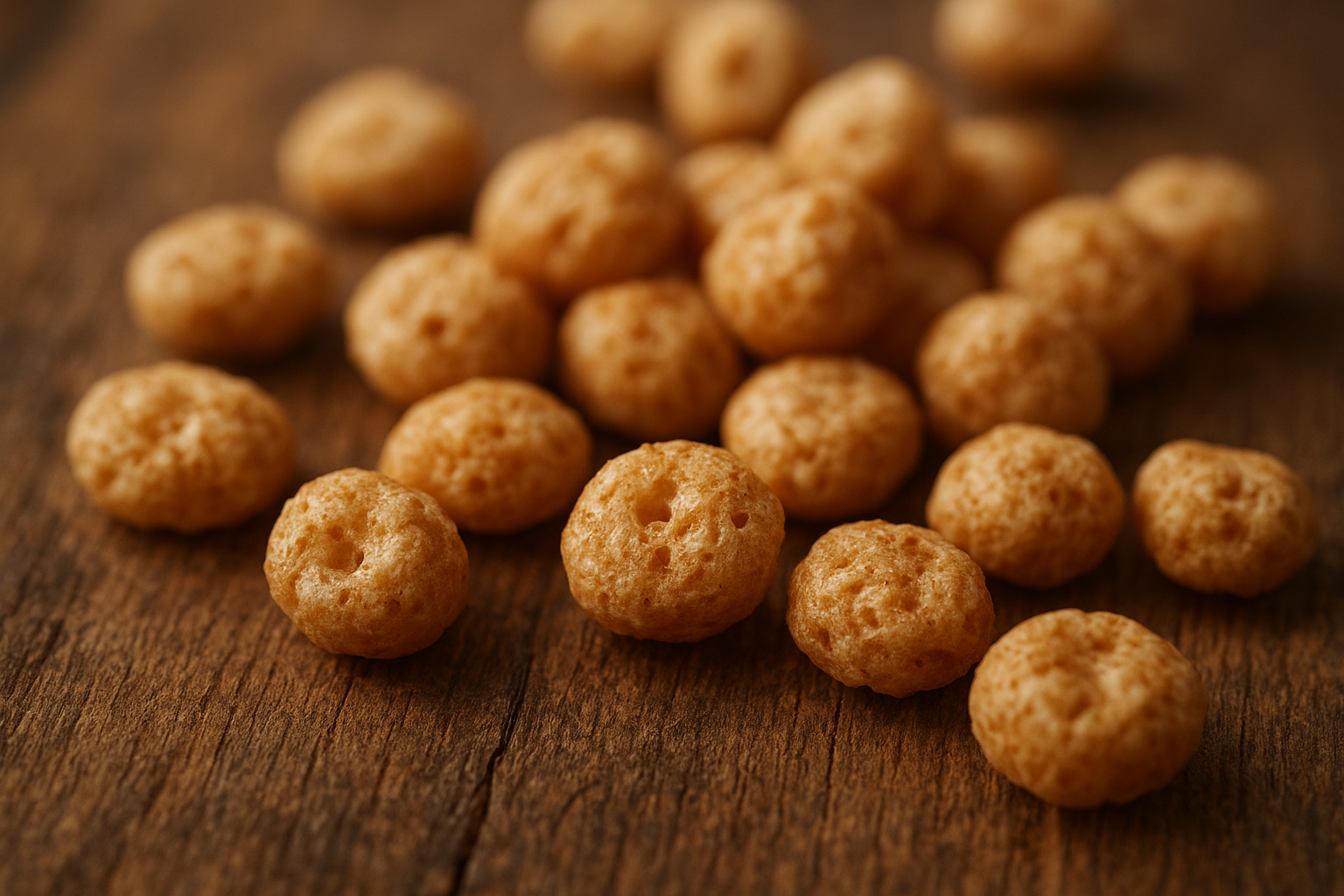
Gentle puffing preserves more of the whole grain's natural structure compared to heavily extruded cereal.
How to Switch Your Family to Cereal Without Cane Sugar
Switching an entire household away from sugary cereal rarely works well as an abrupt change. Instead, a gradual approach tends to produce better long-term results, especially with children who are used to sweeter flavors.
- Audit current cereal ingredients. Read labels on cereals already in the pantry and flag anything listing sucrose or cane sugar among the first three ingredients.
- Introduce the new cereal alongside the old one. Serve a small bowl of cane-sugar-free cereal next to the familiar brand so kids can compare taste without pressure.
- Add familiar toppings. A drizzle of honey or fresh fruit can bridge the flavor gap during the adjustment period.
- Phase out the sugary option gradually. Reduce its frequency over one to two weeks while increasing the new cereal.
- Rotate flavors to keep breakfast interesting. Alternate between honey, cinnamon, and chocolate varieties once the switch is established.
Meanwhile, for parents specifically weighing honey-sweetened options, this resource on low-sugar cereal with honey outlines what to check before buying.
Comparing Honey and Monk Fruit to Cane Sugar
Honey and monk fruit behave quite differently in the body compared to refined cane sugar. Cane sugar is composed almost entirely of sucrose, which the body breaks down quickly, often causing rapid spikes and subsequent dips in blood sugar. According to the Wikipedia overview of added sugar, this pattern is a key reason health organizations recommend limiting refined sugar intake.
Monk fruit extract, in contrast, contains natural compounds called mogrosides that provide sweetness without significantly affecting blood sugar. Honey, while still a sugar, also carries trace antioxidants and a lower glycemic response than pure sucrose in most studies. Consequently, combining a small amount of honey with monk fruit allows a cereal to taste sweet while using meaningfully less sugar overall than a cane-sugar-sweetened product.
The U.S. Department of Agriculture's Dietary Guidelines for Americans recommend limiting added sugars to less than 10 percent of daily calories, a benchmark that is far easier to meet when breakfast cereal itself is not a major contributor. You can review the current guidance directly on dietaryguidelines.gov.
Is Cereal Without Cane Sugar Right for Every Family?
Cereal without cane sugar tends to work well for families who want to reduce added sugar without giving up cereal as a breakfast category entirely. That said, it is not a strict diet product, and it is not designed around trends like keto or grain-free eating.
Instead, the goal is simply a more balanced everyday option. Families who care about ingredient transparency, organic sourcing, or reducing processed ingredients tend to benefit most. For a wider view of what a healthy family cereal routine can look like, this healthy family cereal guide and this smart parent's guide to clean cereal both offer additional context on building a balanced pantry.
Frequently Asked Questions
What does cereal without cane sugar mean?
Cereal without cane sugar means the cereal contains no refined cane sugar as a sweetener or ingredient. Instead, brands like Good Grains use alternatives such as organic honey and monk fruit to add sweetness without refined sugar.
Is cereal without cane sugar healthier than regular cereal?
Generally, yes, because cane sugar contributes empty calories and can spike blood sugar quickly. Cereal made with lower-glycemic sweeteners and whole grains tends to support steadier energy throughout the morning.
What sweeteners are used instead of cane sugar in cereal?
Common alternatives include organic honey, monk fruit extract, and occasionally dates or maple syrup. Good Grains specifically pairs organic honey with monk fruit to keep sugar content low while preserving classic cereal flavor.
Does removing cane sugar make cereal taste bad?
Not necessarily. Modern formulations that combine honey with monk fruit can closely replicate the sweetness kids expect, without the sharp, overly sweet profile common in traditional cereals.
How can I tell if a cereal contains hidden cane sugar?
Check the ingredient list for sucrose, evaporated cane juice, brown sugar, or cane syrup, since these are all forms of cane sugar. If sugar appears in the first three ingredients, the product likely contains a significant amount.
Why are parents searching for cereal without cane sugar?
Parents increasingly want breakfast options that support steady energy and long-term health without sacrificing taste. Cane sugar has been linked to excess calorie intake in children, prompting families to look for better-for-you alternatives.
How much sugar should kids have at breakfast?
The American Heart Association recommends children consume no more than 25 grams of added sugar per day total, not just at breakfast. Many traditional cereals alone can use up more than half that amount in a single serving.
Are low-sugar cereals the same as cereal without cane sugar?
Not always. A cereal can be low in sugar yet still use cane sugar as its sweetening source in small amounts. True cane-sugar-free cereal avoids the ingredient entirely, relying on alternatives instead.
What is the difference between puffed and extruded cereal?
Puffed cereal uses heat and pressure to expand whole grains while keeping more of their natural structure intact. Extruded cereal forces grain slurry through machinery into engineered shapes, which typically involves more processing.
Does cereal without cane sugar cost more?
Organic, minimally processed cereals often cost more per box than conventional supermarket brands due to ingredient sourcing and certification. Many families find the trade-off worthwhile given the lower sugar content and cleaner ingredient list.
What mistakes do people make when switching to cane-sugar-free cereal?
A common mistake is assuming any "natural" or "organic" label means sugar-free, when many organic cereals still use cane sugar or organic cane sugar. Always read the ingredient panel rather than relying on front-of-box marketing.
Can cereal without cane sugar still be high in fiber?
Yes, fiber content depends on the grains used, not the sweetener. Cereals made from whole and ancient grains, such as Khorasan wheat, can deliver meaningful fiber even without cane sugar.
How long does it take kids to adjust to less sweet cereal?
Most children's taste preferences adjust within one to two weeks of consistent exposure to lower-sugar options. Gradually transitioning rather than switching abruptly tends to improve acceptance.
Final Thoughts
Choosing cereal without cane sugar does not mean giving up the nostalgic breakfast experience families have always enjoyed. Rather, it means paying closer attention to how a cereal is sweetened and how minimally it is processed. By reading ingredient panels carefully, watching for hidden names for cane sugar, and prioritizing whole and ancient grains, parents can find options that satisfy kids without relying on refined sugar.
Ultimately, brands like Good Grains show that cereal can still taste like cereal while meeting a higher ingredient standard. As more families search for cereal without cane sugar, the cereal aisle will likely continue shifting toward organic, minimally processed choices that deliver both nostalgia and nutrition in the same bowl.
0 comments