


Good Grains cereal is a new kind of breakfast cereal built around organic whole grains, minimal processing, and nostalgic flavor. Unlike many cereals lining grocery shelves today, it skips refined sugar, seed oils, and artificial additives. Instead, families get a puffed cereal that tastes familiar but is made with cleaner ingredients. In addition, this guide explains what makes Good Grains cereal different, how it is made, and why it fits into a healthier breakfast routine.
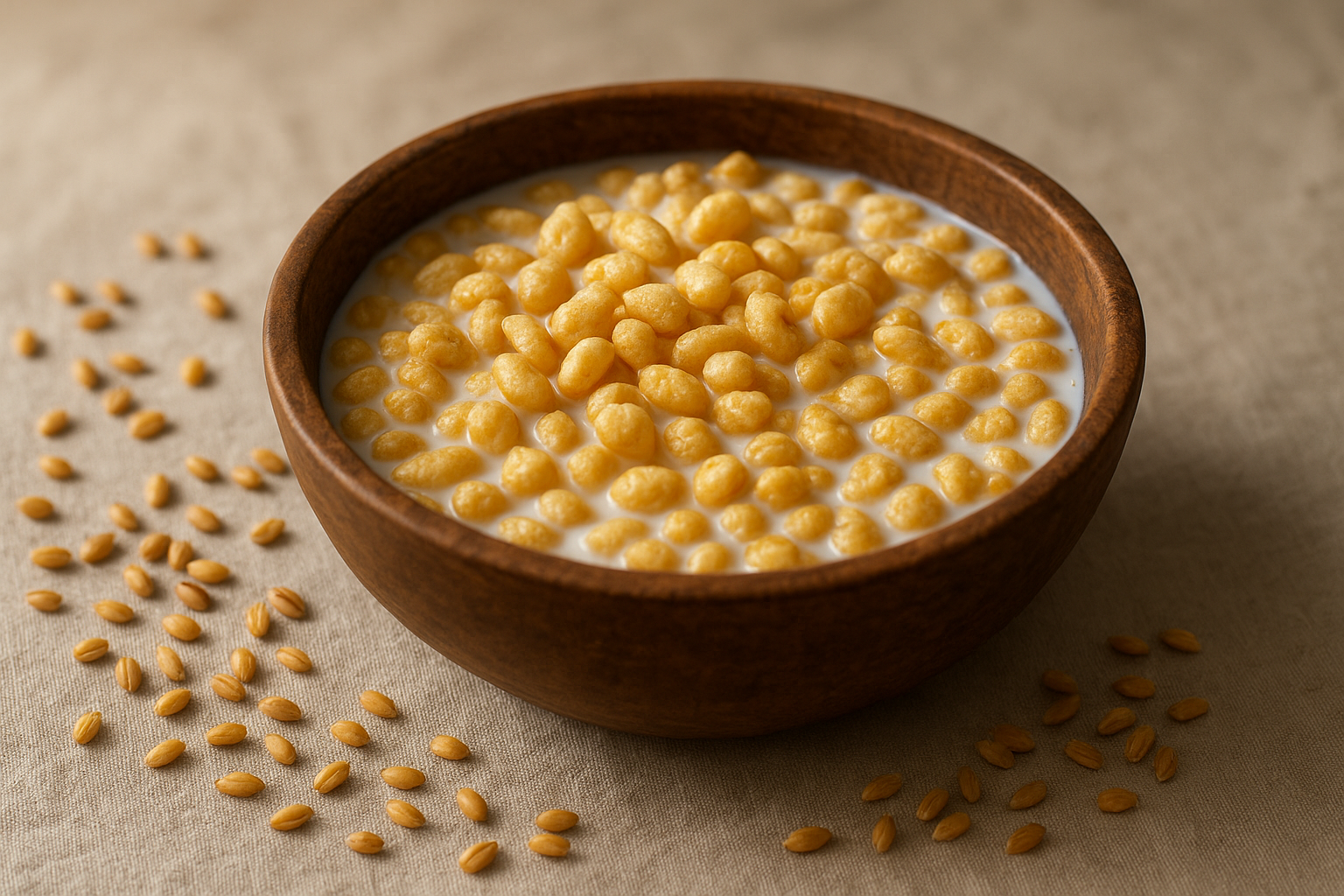
A bowl of good grains cereal, made with organic whole and ancient grains.
What Is Good Grains Cereal?
Good Grains cereal is an organic, minimally processed puffed cereal made from whole and ancient grains such as Khorasan wheat and corn. It became the first cereal brand to earn Non-UPF Verified certification through WISEcode, confirming it avoids ultra-processed formulations. As a result, it delivers a classic cereal experience without the unnecessary industrial processing found in many boxed cereals.
Specifically, the brand uses a gentle puffing process rather than heavy extrusion, which helps retain more of each grain's natural structure. Furthermore, sweetened varieties rely on real organic honey and organic monk fruit instead of refined cane sugar. You can read more about the brand's founding approach on the Good Grains story page.
Why Good Grains Cereal Stands Out in a Crowded Aisle
The cereal aisle tends to fall into two camps. On one side sit traditional cereals loaded with refined sugar and artificial flavoring. On the other side are trend-driven "health" cereals built around keto, extremely high protein, or grain-free formulations that often sacrifice taste or rely on heavily engineered ingredients. Good Grains cereal sits in the gap between these two extremes.
According to the World Health Organization, high intake of ultra-processed foods has been linked to poorer diet quality, which is one reason the concept of ultra-processed food has become a growing area of nutrition research. Consequently, Good Grains focuses on recognizable, organic ingredients rather than trend-chasing formulations. It also avoids seed oils entirely, a differentiator that matters to families paying closer attention to how their food is made.
How This Organic Puffed Cereal Is Made
Understanding the manufacturing process helps explain why Good Grains cereal tastes and feels different from mass-market brands. Below is a simplified breakdown of the steps involved.
- Source organic whole grains: Organic Khorasan wheat and organic corn are sourced from verified farms and tested for glyphosate residue before any processing begins.
- Apply a gentle puffing process: Grains are puffed using heat and pressure designed to retain more of the grain's natural structure instead of extruding them into engineered shapes.
- Add real, minimal ingredients: Organic honey and organic monk fruit provide sweetness in place of refined cane sugar, along with simple flavors like cinnamon or cocoa.
- Verify and certify the finished cereal: Finished batches undergo Non-UPF Verified testing along with USDA Organic and Glyphosate Residue Free certification checks before packaging.
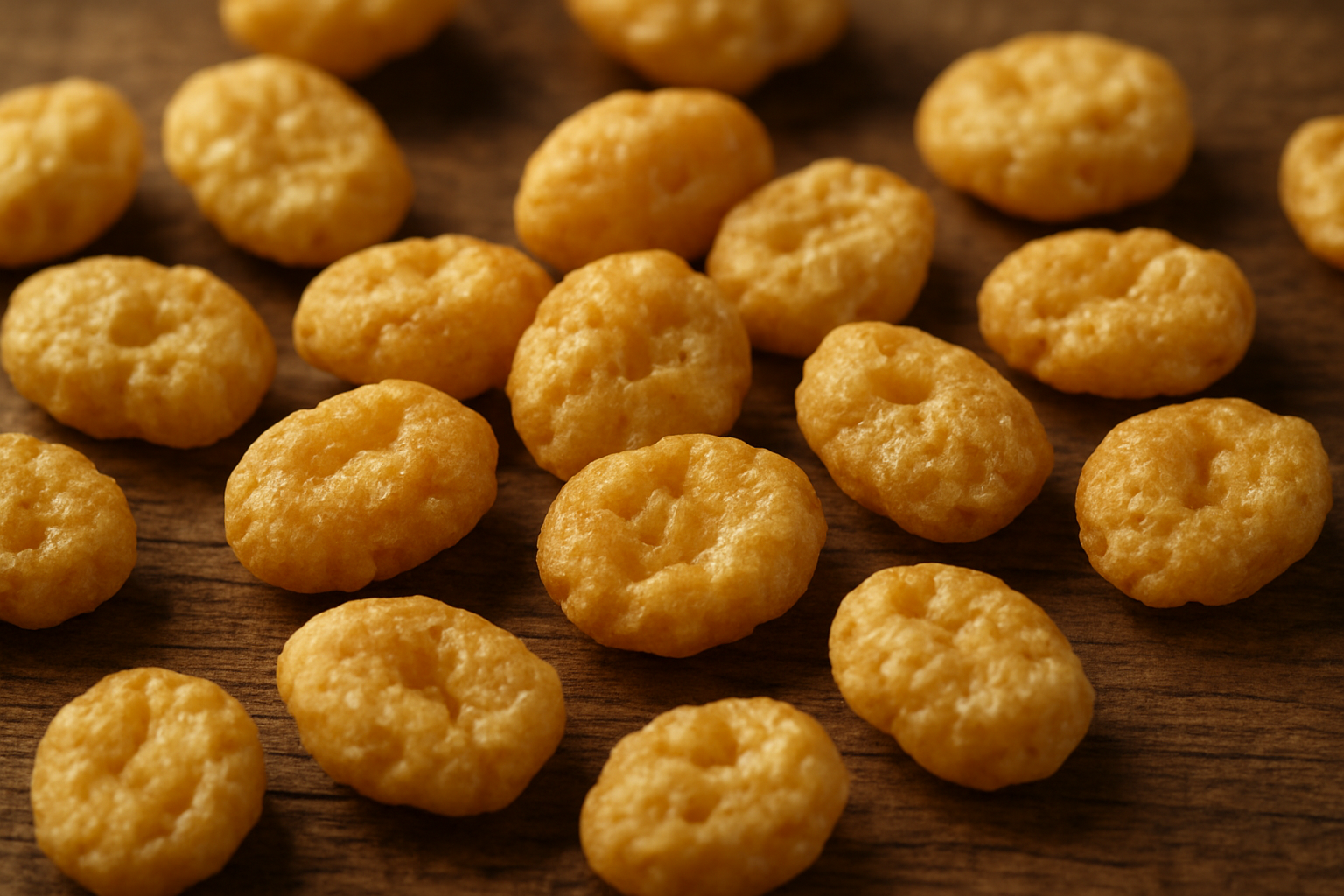
Whole grains retain more natural texture through gentle puffing rather than heavy extrusion.
Good Grains Nutrition: Sugar, Fiber, and Clean Ingredients
Nutrition is often where cereal claims fall apart under scrutiny. Good Grains addresses this directly by keeping sugar low and fiber relatively high across its lineup. For instance, some varieties provide especially high levels of fiber sourced from whole and ancient grains rather than added fiber isolates.
This matters because, according to U.S. Dietary Guidelines analysis, fewer than 5% of Americans meet daily fiber recommendations, largely due to low intake of whole grains, fruits, and vegetables. Therefore, choosing a cereal that naturally contributes fiber can be a meaningful part of a family's overall diet. You can review official guidance on grains and fiber intake through the USDA MyPlate resource on grains.
In addition, Good Grains cereal contains no preservatives, artificial flavors, or artificial colors. Sweetness instead comes from organic honey and organic monk fruit, which keeps added sugar noticeably lower than many traditional children's cereals.
Minimally Processed Cereal vs. Other Health Trends
Many newer cereal brands chase a single nutrition trend, whether that is extremely high protein, zero carbs, or grain-free formulations. However, these approaches can require heavy engineering to hit their target numbers, which sometimes works against the goal of eating less processed food.
| Category | Common Traits |
|---|---|
| Traditional cereal | Refined sugar, artificial flavors and colors, heavily extruded shapes |
| Trend-driven health cereal | Keto, grain-free, or high-protein formulas with heavily engineered ingredients |
| Good Grains cereal | Organic whole and ancient grains, low sugar, minimal processing, Non-UPF Verified |
By comparison, Good Grains cereal is built around whole and ancient grains, including Khorasan wheat, which is documented as an ancient grain variety on Wikipedia's Khorasan wheat entry. This keeps the focus on ingredient quality rather than short-lived diet trends.
Where to Buy Ancient Grain Cereal from Good Grains
Good Grains cereal is sold directly through the brand's website and continues to expand its retail presence. Notably, the brand recently launched at Sprouts Farmers Market, making it easier for shoppers to find in stores. For the full product lineup and current availability, visit goodgrains.com directly.
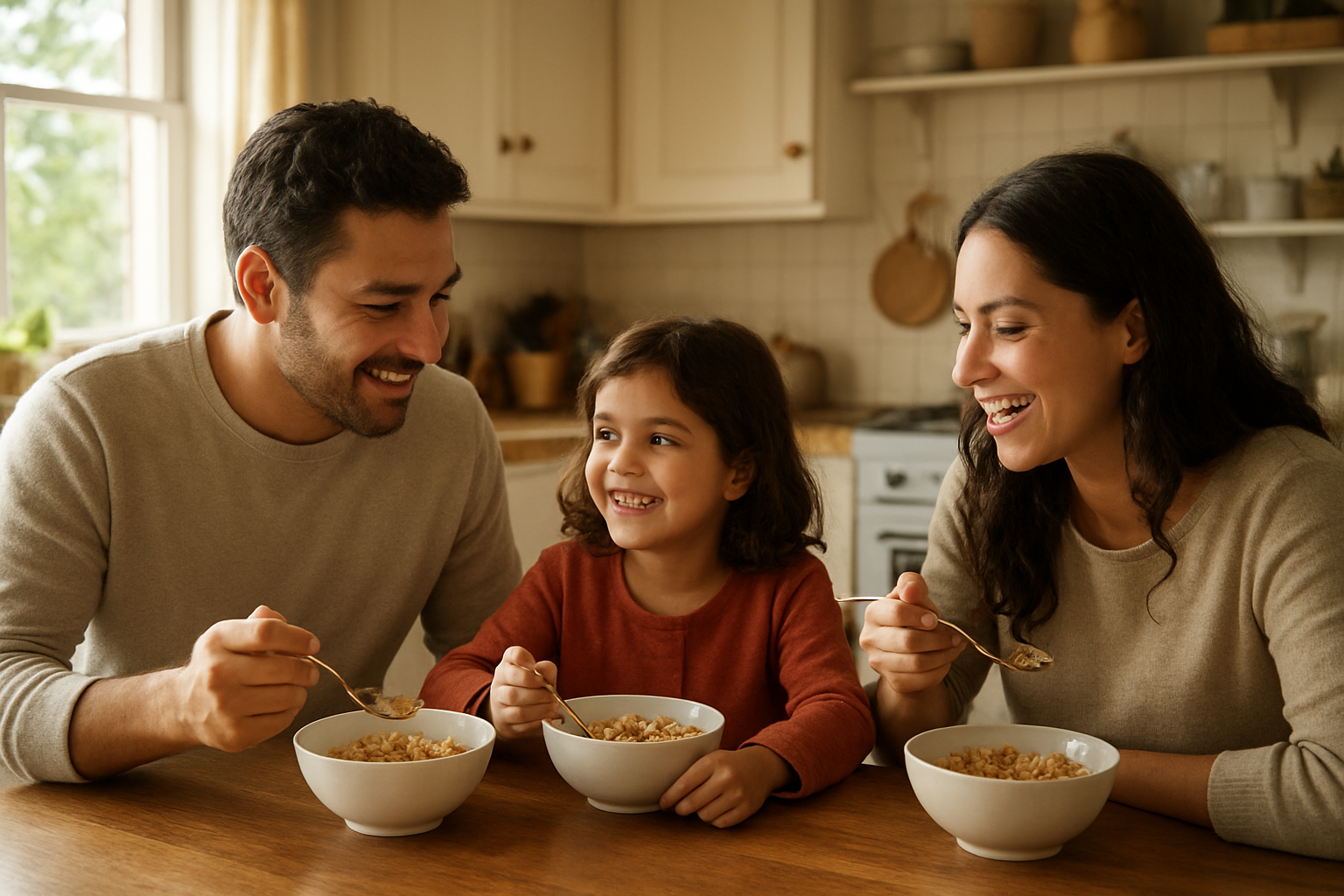
Nostalgic taste designed for the whole family to enjoy at the breakfast table.
Frequently Asked Questions About Good Grains Cereal
What is Good Grains cereal made from?
Good Grains cereal is made from organic whole and ancient grains, including Khorasan wheat and corn, along with real honey and organic monk fruit in sweetened varieties. There are no seed oils, refined cane sugar, preservatives, or artificial flavors and colors.
How is Good Grains cereal different from traditional cereal?
Traditional cereals are often heavily extruded and made with refined sugar and artificial additives. Good Grains cereal uses a gentler puffing process, organic ingredients, and lower sugar while keeping the nostalgic taste families expect.
Is Good Grains cereal healthy for kids?
Good Grains cereal is formulated with lower sugar, no artificial ingredients, and a good source of fiber, making it a reasonable option for children's breakfasts. Parents should still review nutrition labels alongside their child's overall diet.
What does Non-UPF Verified mean?
Non-UPF Verified is an independent certification from WISEcode confirming a product does not meet the criteria of an ultra-processed food. Good Grains is the first cereal brand to receive this verification.
Why does Good Grains use Khorasan wheat?
Khorasan wheat is an ancient grain valued for its natural structure, flavor, and nutrient density compared to some modern wheat varieties. Good Grains uses it to build cereal with more character and fewer engineered ingredients.
How much sugar is in Good Grains cereal?
Good Grains sweetened varieties use organic honey and organic monk fruit to keep sugar significantly lower than many traditional children's cereals. Exact grams per serving vary by flavor and are listed on each product's nutrition panel.
Is Good Grains cereal organic?
Yes, Good Grains cereal is USDA Organic certified across its product line. It is also certified Glyphosate Residue Free for added ingredient transparency.
What is glyphosate, and why does it matter for cereal?
Glyphosate is a widely used agricultural herbicide that can leave residue on conventionally grown grains. Good Grains cereal is tested and certified Glyphosate Residue Free to give families additional confidence in ingredient sourcing.
Where can I buy Good Grains cereal?
Good Grains cereal is available directly through the brand's website and at select retail partners, including Sprouts Farmers Market locations. Availability continues to expand as the brand grows its retail footprint.
How much does Good Grains cereal cost?
Pricing for Good Grains cereal is generally in line with other organic, better-for-you cereal brands, reflecting the cost of organic whole grains and independent certifications. Exact pricing is available on the brand's website and at participating retailers.
What common mistakes do people make when comparing healthy cereals?
A common mistake is assuming high protein or grain-free claims automatically mean a cereal is healthier. Ingredient quality, processing level, and sugar source matter just as much as any single nutrition headline.
Is puffed cereal the same as extruded cereal?
No, puffed cereal and extruded cereal use different manufacturing processes. Puffing tends to preserve more of the grain's natural structure, while extrusion reshapes grain dough under high heat and pressure into engineered shapes.
How should I store Good Grains cereal to keep it fresh?
Store Good Grains cereal in its original packaging, tightly sealed, in a cool, dry pantry. Because it contains no artificial preservatives, using it within a reasonable time after opening helps maintain optimal texture and flavor.
Final Thoughts on Good Grains Cereal
In summary, Good Grains cereal offers a rare middle ground between nostalgic taste and genuinely clean ingredients. It combines organic whole and ancient grains, a gentle puffing process, and independent verification through both Non-UPF and USDA Organic standards. As a result, families no longer have to choose between a cereal kids enjoy and one parents feel comfortable serving. Ultimately, Good Grains cereal shows that healthier breakfast choices do not require abandoning the flavors people grew up loving.
0 comments