


Good grains are the difference between a cereal that merely tastes familiar and one that actually nourishes the body. Many shoppers assume all cereal grains are created equal, but the way a grain is grown, processed and puffed changes almost everything about its nutrition and taste. This matters more than ever as parents search for healthy cereal for kids that skips artificial colors, seed oils and refined sugar. In this guide, we'll break down what good grains really means, how to spot them on a label, and why brands are rethinking cereal from the grain up.
What Are Good Grains?
Good grains are whole or ancient grains, such as organic Khorasan wheat, corn or oats, that keep most of their natural fiber, protein and structure because they are minimally processed rather than refined or heavily extruded. In cereal, this usually means grains that are gently puffed instead of engineered into shapes with added starches and preservatives. As a result, the finished product still resembles food rather than a formula.
To understand why this distinction matters, it helps to look at how a grain travels from field to bowl. A whole grain keeps its bran, germ and endosperm intact, which is where most of the fiber, minerals and healthy fats live. In contrast, refined grains lose much of that structure during milling, leaving mostly starch behind. Therefore, a cereal built on good grains tends to digest more slowly and keep you fuller longer, simply because less has been stripped away before it reaches the box.
Whole Grains vs. Ultra-Processed Cereal Ingredients
Not every cereal on the shelf starts with whole grains, even when the packaging suggests otherwise. Many conventional cereals rely on ultra-processed formulations, meaning the grain is broken down, reconstituted and combined with industrial additives before it ever looks like cereal again. Specifically, research published in BMJ Open found that ultra-processed foods account for nearly 57% of daily calories in the average American diet, a figure that includes many popular breakfast cereals.
Good Grains addresses this gap directly. In fact, it became the first cereal brand to earn Non-UPF Verified status through independent testing group WISEcode. This certification exists precisely because ingredient lists alone can be misleading, and shoppers deserve a clearer way to separate whole-grain cereal from heavily engineered alternatives.
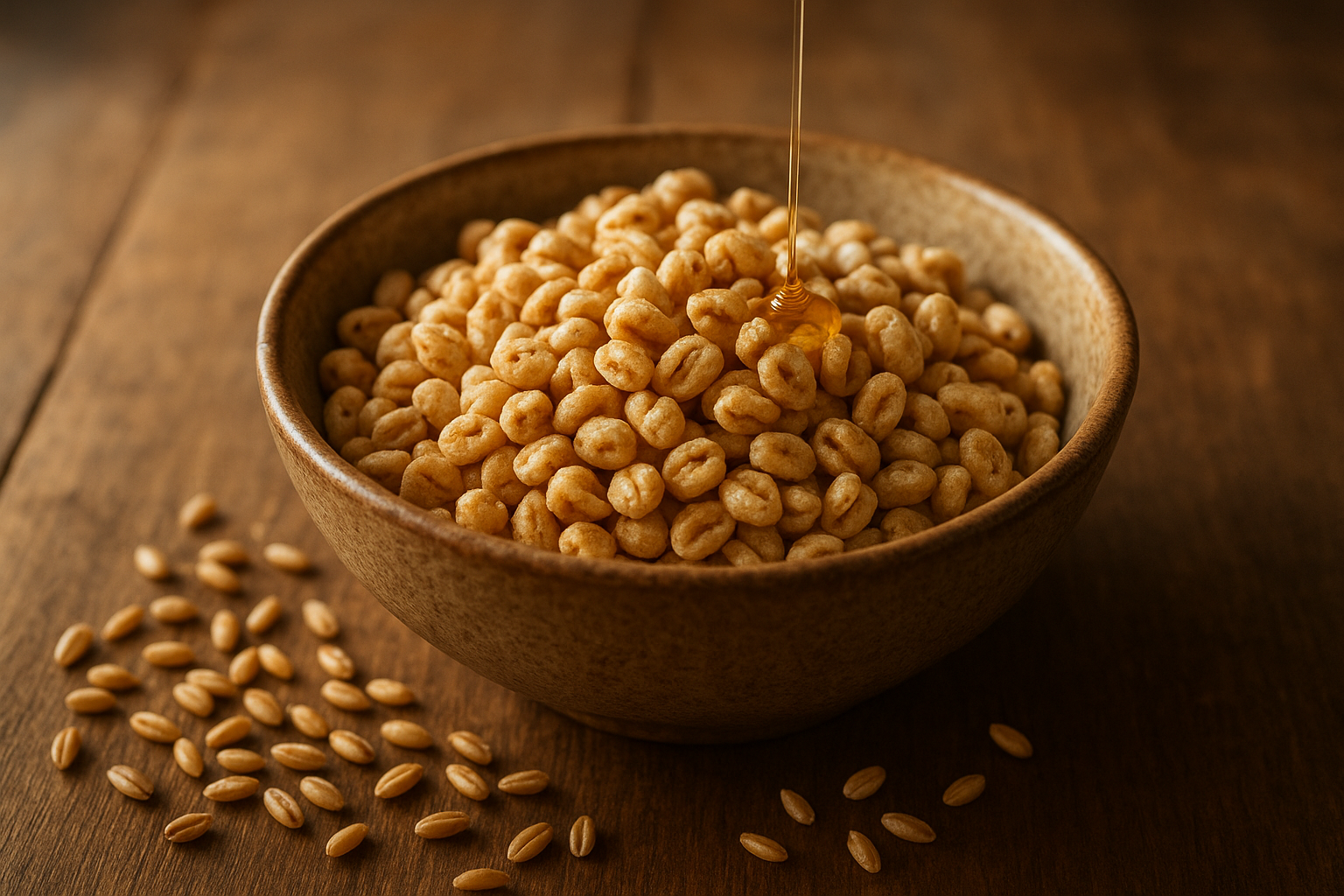
Choosing good grains starts with understanding what a grain looks like before it's processed.
How Ancient Grains Like Khorasan Wheat Fit In
Ancient grains occupy a special place among good grains because they have changed very little over centuries of cultivation. Khorasan wheat, for example, is an ancient relative of modern durum wheat that keeps a naturally sweet, slightly buttery flavor. Unlike heavily hybridized modern wheat varieties, it has not been bred primarily for high-volume industrial milling, which is one reason it retains more of its original character when puffed into cereal.
Similarly, ancient corn varieties bring a naturally toasty flavor without needing added flavoring agents. You can read more about how this sourcing philosophy shaped the brand in Good Grains' origin story, which explains why the company chose ancient and whole grains over engineered ingredients from the start.
5 Steps to Spot Quality Grains on a Cereal Label
Reading a cereal box carefully takes less than a minute once you know what to look for. Above all, the goal is to confirm the grain hasn't been overly refined, engineered or diluted with additives before it reached the box.
- Check the first ingredient. Ingredients are listed by weight, so a whole or ancient grain in the first spot means the cereal is genuinely built around real grain rather than fillers.
- Look for whole or ancient grain wording. Favor specific grain names, like Khorasan wheat, over vague terms such as "enriched flour" or "grain blend."
- Scan for added sugars and seed oils. Fewer of these ingredients usually points to a simpler, less processed formula.
- Look for independent certifications. USDA Organic, Non-UPF Verified and Glyphosate Residue Free labels confirm claims through outside testing rather than marketing copy alone.
- Check the fiber content per serving. Aim for 3 to 5 grams or more, since higher fiber often reflects more intact, less-processed grains.
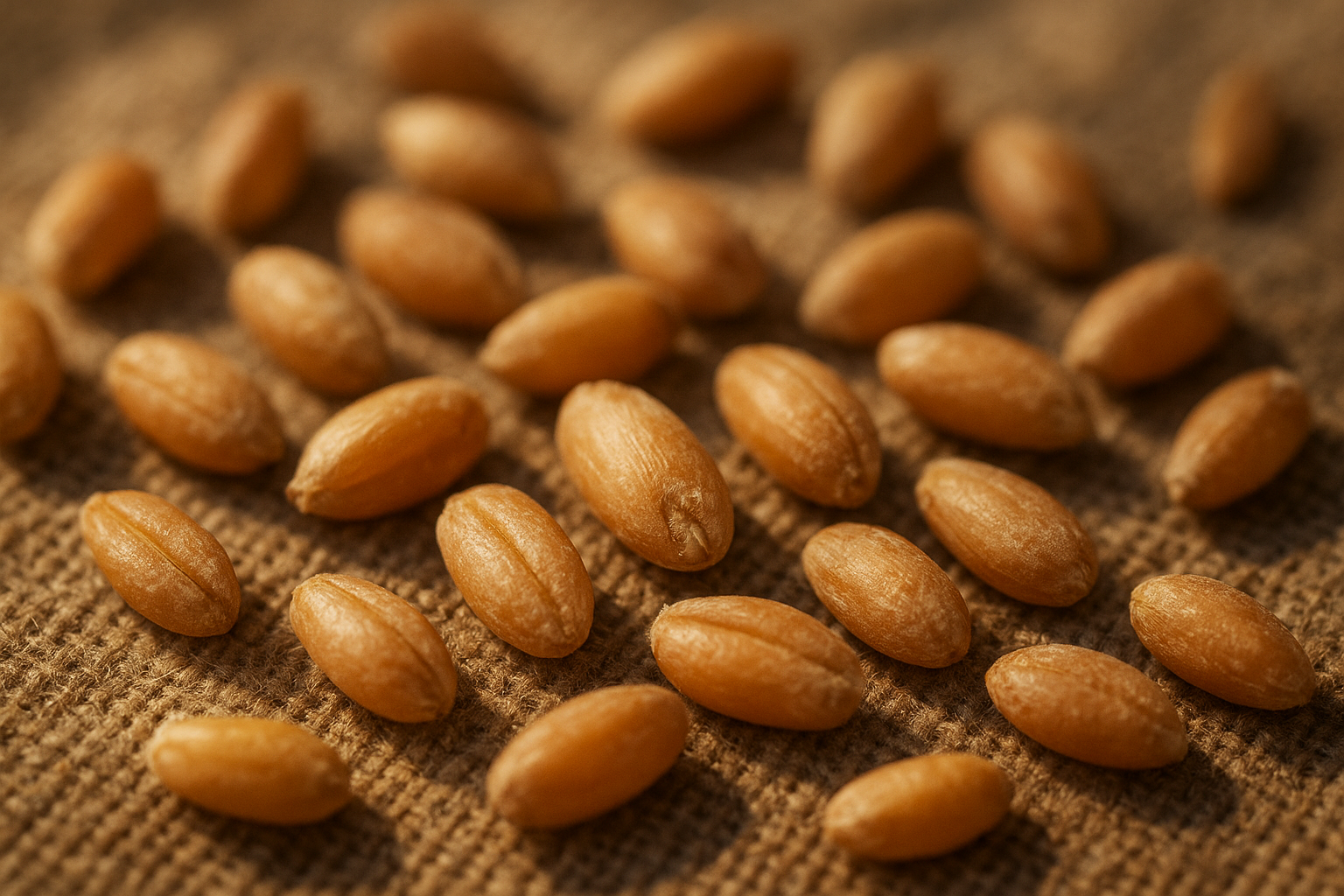
Ancient grains like Khorasan wheat retain more of their original structure than heavily refined wheat.
The Role of Fiber and Sugar in Real Grain Cereal
Fiber is one of the clearest markers of a cereal built on real grains. Yet, according to the Dietary Guidelines for Americans, fewer than 5% of adults meet their daily fiber recommendation. Cereal is often one of the easiest places to close that gap, provided the grains haven't been stripped of their natural fiber during processing.
Sugar tells a similar story. Many traditional children's cereals pack in refined cane sugar to make up for bland, over-processed grains. In contrast, cereals sweetened with small amounts of organic honey and monk fruit can achieve a similarly nostalgic taste while keeping added sugar meaningfully lower. This approach lets a cereal stay genuinely enjoyable without relying on sugar to mask the ingredients underneath.
Good Grains: A Case Study in Better-for-You Breakfast
Good Grains was built to sit in the gap between nostalgic cereal and overly engineered "health" cereal. Its lineup, including Organic Honey Puffs, Organic Cinnamon, Organic Chocolate and Organic Corn Puffs, is made from USDA Organic whole and ancient grains that are gently puffed rather than extruded. In addition, every product avoids seed oils, refined cane sugar, preservatives and artificial colors or flavors.
You can explore the full lineup at the Good Grains homepage, and the brand recently expanded its retail footprint by launching in Sprouts Farmers Market. For shoppers ready to try it, the where-to-buy page lists current retail and online options.
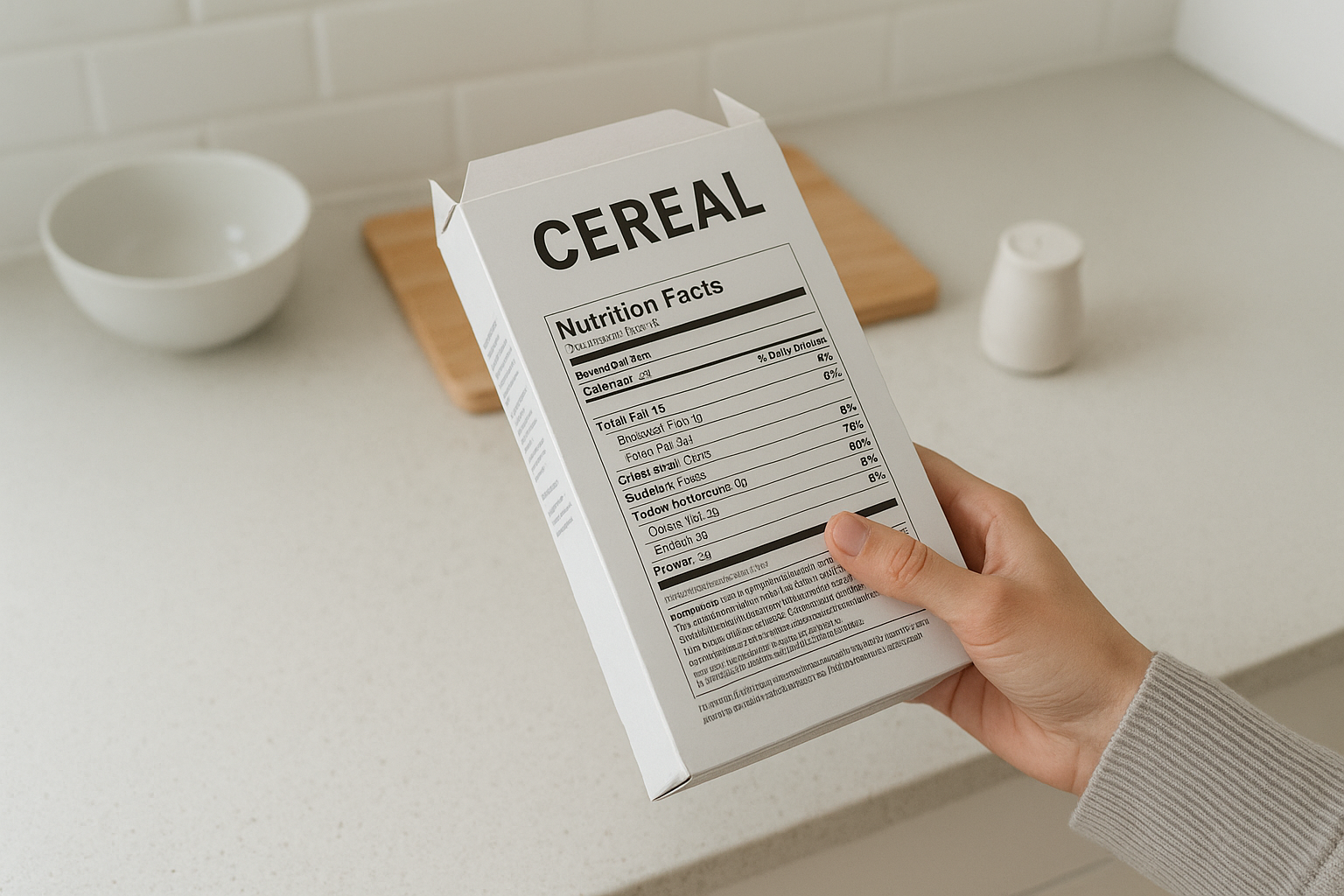
Reading the label carefully is the fastest way to confirm a cereal is made from good grains.
Frequently Asked Questions About Good Grains
What are good grains?
Good grains are whole or ancient grains that keep their natural fiber, protein and structure because they're minimally processed rather than refined or heavily extruded. Examples include organic Khorasan wheat, corn and oats that are gently puffed instead of engineered into shapes.
How do good grains differ from refined grains?
Refined grains have had the bran and germ removed during processing, which strips away much of the fiber and nutrients. Good grains retain more of their original structure, so they naturally provide more fiber and a heartier texture.
Why are ancient grains like Khorasan wheat considered good grains?
Ancient grains such as Khorasan wheat have remained largely unchanged by modern hybridization, so they tend to keep more of their natural nutrient density. They also bring a distinct, slightly sweet flavor that works well in cereal without needing added sugar.
How can I tell if a cereal is made from good grains?
Check the ingredient list for whole or ancient grains listed first, and look for third-party certifications like USDA Organic or Non-UPF Verified. A short ingredient list with recognizable grains is usually a strong signal.
Are puffed cereals healthier than extruded cereals?
Puffed cereals that use gentle air or steam puffing tend to preserve more of the grain's natural structure than extruded cereals, which force grain slurry through high heat and pressure to form shapes. As a result, puffed grains often keep more fiber and require fewer added ingredients.
How much sugar should a healthy cereal contain?
Nutrition experts generally recommend cereals with 6 grams of sugar or less per serving, especially for children. Many traditional cereals exceed this significantly, while lower-sugar options often rely on small amounts of honey or monk fruit instead of refined cane sugar.
What does Non-UPF Verified mean?
Non-UPF Verified is a third-party certification, issued through WISEcode, confirming that a product does not meet the criteria for ultra-processed food. It gives shoppers an independent way to identify minimally processed options without analyzing ingredient lists themselves.
Is glyphosate residue free important for grain quality?
Glyphosate is a common herbicide used in conventional grain farming, and residue testing helps confirm grains were grown and handled without meaningful traces. Choosing glyphosate residue free cereal adds another layer of assurance beyond organic certification alone.
How much fiber should a serving of cereal provide?
Many nutrition guidelines suggest at least 3 grams of fiber per serving to qualify as a good source, with 5 grams or more considered a high-fiber option. Whole and ancient grain cereals often reach these levels naturally, without added fiber ingredients.
What is the difference between whole grain and ancient grain cereal?
Whole grain cereal simply means the grain hasn't had its bran or germ removed, while ancient grain cereal refers to specific varieties, like Khorasan wheat or einkorn, that have changed little over centuries. Both can be considered good grains, though ancient grains often add unique flavor and nutrient profiles.
How long does it take to notice benefits of switching to better cereal?
Some people notice improved digestion or steadier energy within a week or two of increasing fiber intake and reducing added sugar. However, individual results vary depending on overall diet and activity level.
What common mistakes do shoppers make when picking "healthy" cereal?
A common mistake is assuming a cereal is healthy just because it's labeled "natural," "protein-packed" or "keto-friendly," without checking the ingredient list. In addition, many shoppers overlook added sugars hidden under names like cane syrup or dextrose.
Are seed oils bad in cereal?
Seed oils aren't inherently dangerous, but many nutrition-conscious brands avoid them because they're heavily refined and often unnecessary in a simple puffed cereal. Cereals made without seed oils typically rely on the grain's natural characteristics instead.
Where can I buy cereal made from good grains?
Cereal made from good grains, including Good Grains' organic puffed varieties, is available through select retailers such as Sprouts Farmers Market and online directly from the brand. Shoppers can check a brand's website for an updated store locator.
Does organic certification guarantee good grains?
USDA Organic certification confirms grains were grown without synthetic pesticides or GMOs, but it doesn't guarantee minimal processing on its own. That's why looking for additional markers, such as Non-UPF Verified status, gives a fuller picture of grain quality.
Final Thoughts on Choosing Good Grains
Ultimately, good grains come down to a simple test: does the ingredient list still look like real food? Whole and ancient grains that are gently puffed rather than heavily extruded tend to keep more fiber, more flavor and fewer additives, which matters whether you're feeding a family or just trying to eat better yourself. In particular, certifications like USDA Organic, Non-UPF Verified and Glyphosate Residue Free give shoppers an independent way to confirm those claims instead of relying on packaging alone. As more families look past short-lived diet trends and back toward simpler ingredients, good grains offer a practical, tasty way to make breakfast genuinely better without giving up the cereal everyone still loves.
0 comments