


Organic cereal for kids is quickly becoming one of the most searched topics among parents who want to simplify breakfast without compromising on nutrition. As more families read ingredient labels closely, they are discovering that many "kids' cereals" lining grocery store shelves rely on refined sugar, artificial colors, and heavily engineered grains rather than real food. This guide breaks down what organic cereal for kids actually means, why it matters, and how to choose a brand that delivers on both nutrition and taste.
What Is Organic Cereal for Kids?
Organic cereal for kids is a breakfast cereal made from grains grown without synthetic pesticides, artificial fertilizers, or genetically modified seeds, and certified under USDA Organic standards. Unlike many conventional cereals, organic versions typically skip artificial colors, flavors, and preservatives, relying instead on whole grains and natural sweeteners like honey or monk fruit. As a result, the ingredient list tends to be shorter and easier to understand at a glance.
In addition, true organic certification requires third-party verification through the USDA National Organic Program, which means the claim isn't just marketing language. According to the USDA, organic crops must also meet strict standards around soil health and prohibited substances. Consequently, families gain a reliable, government-backed standard rather than guessing based on packaging buzzwords.
Direct answer: Organic cereal for kids is a USDA-certified breakfast cereal made without synthetic pesticides, GMOs, artificial additives, or unnecessary processing, built instead around real whole and ancient grains.
Why Choose Organic Cereal for Kids Over Conventional Brands
Many traditional children's cereals are formulated primarily for shelf life and flavor intensity rather than nutrition. For instance, a single serving can contain more added sugar than a child should consume in an entire day, according to guidance referenced by the CDC. In contrast, organic cereal for kids is generally formulated with lower sugar targets and cleaner sweetening sources.
Furthermore, organic standards prohibit many synthetic additives that conventional cereal makers use to extend shelf life or intensify color and flavor. Because of this, switching to organic cereal for kids often means fewer unfamiliar ingredients overall. Parents who want a healthier starting point without giving up the cereal format entirely tend to find this middle ground especially appealing, a theme explored further in this complete buying guide to healthy cereal for kids.
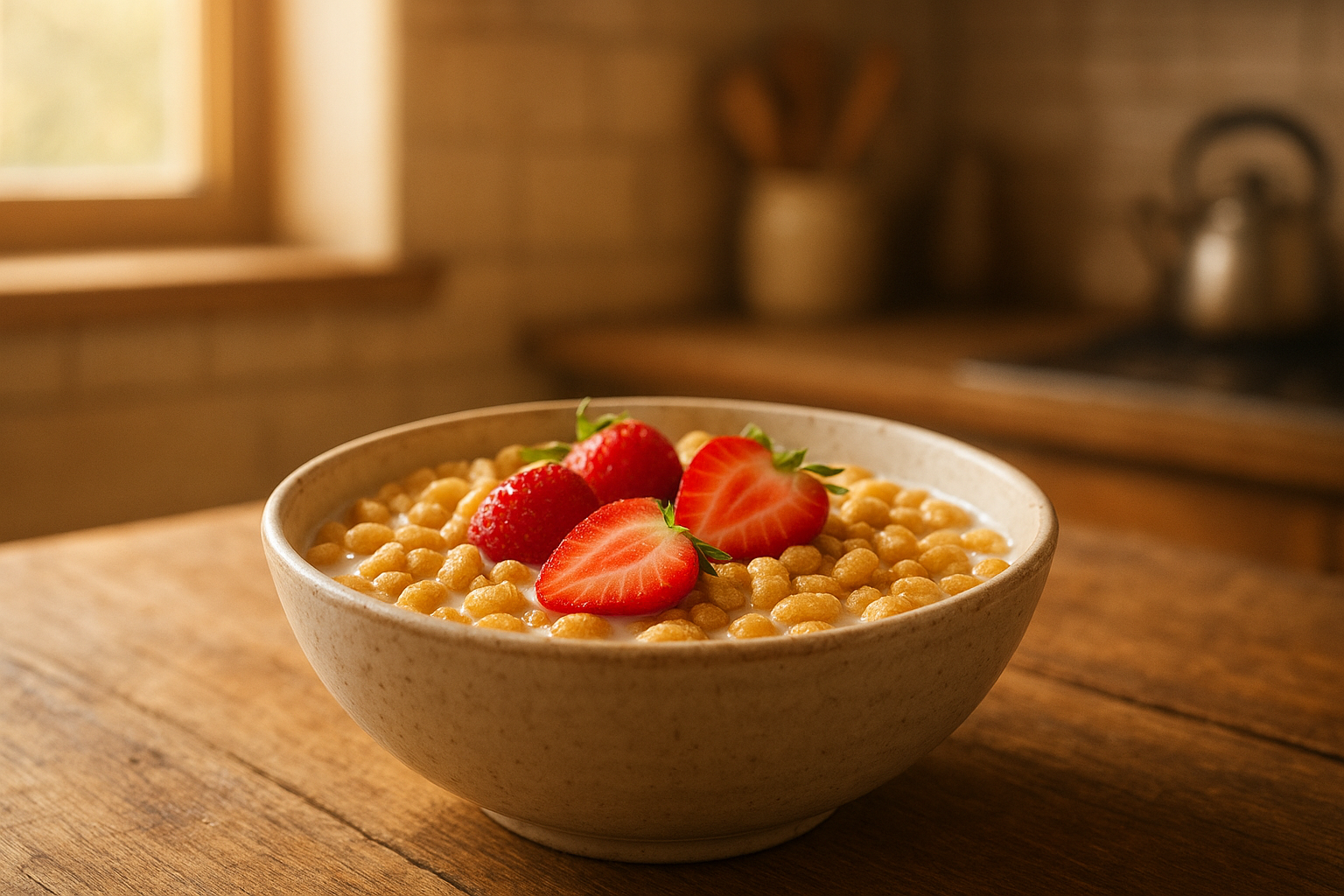
A simple bowl of organic cereal for kids can combine real grains, natural sweetness, and familiar crunch.
Understanding Ultra-Processed Cereal in the Breakfast Aisle
Not all processed food is equal, and that distinction matters when evaluating cereal. Ultra-processed foods, a category described on Wikipedia and studied extensively in nutrition research, typically combine industrial ingredients, extensive mechanical processing, and additives rarely found in a home kitchen. Many traditional kids' cereals fall squarely into this category despite looking harmless on the shelf.
On the other hand, minimally processed cereal keeps more of the grain's original structure intact. Good Grains, for example, was the first cereal brand to receive Non-UPF Verified certification through WISEcode, an independent assessment rather than a self-applied label. Similarly, the brand's Glyphosate Residue Free certification addresses pesticide residue concerns that conventional grain sourcing does not always account for. Parents who want a deeper breakdown of which cereals to avoid can review this parent's guide to healthier cereal choices.
How Good Grains Approaches Healthy Cereal for Kids
Rather than heavily extruding grains into engineered shapes, Good Grains uses a gentler puffing process intended to preserve more of the grain's natural character. The lineup includes Organic Honey Puffs, Organic Cinnamon cereal, Organic Chocolate cereal, and Organic Corn Puffs, each built around organic Khorasan wheat or organic corn. Khorasan wheat, often sold under the brand name Kamut, is an ancient grain valued for its naturally higher protein and mineral content compared to modern wheat varieties.
Sweetened varieties rely on organic honey paired with organic monk fruit instead of refined cane sugar, which allows the brand to keep sugar levels meaningfully lower than many traditional children's cereals while still tasting familiar. Above all, the goal is nostalgia without compromise: recognizable cereal flavors that kids genuinely want to eat, made from ingredients parents can feel confident about. You can see the full lineup directly at goodgrains.com.
Key Ingredients to Look For in Organic Cereal for Kids
When scanning a box, there are a handful of ingredients worth prioritizing. Whole and ancient grains should appear at the top of the ingredient list, since this indicates the cereal is grain-forward rather than filler-forward. Similarly, natural sweeteners such as honey or monk fruit are preferable to high-fructose corn syrup or multiple added sugars listed separately.
Fiber content also deserves attention, since fiber supports digestive health and helps kids feel fuller longer. According to the FDA, fiber is one of the nutrients many American children consume in insufficient amounts. Families focused specifically on fiber intake may find this guide to high-fiber cereal without refined sugar especially useful for comparing options side by side.
How to Choose the Best Organic Cereal for Your Family
Choosing well does not require a nutrition degree. Instead, following a simple, repeatable process makes label reading faster and more confident over time.
- Read the ingredient list first. Start by scanning for recognizable whole grains, real fruit, honey, or monk fruit rather than long chemical names or multiple forms of added sugar.
- Verify organic and third-party certifications. Look for USDA Organic certification along with independent verifications such as Non-UPF Verified or Glyphosate Residue Free to confirm claims rather than relying on packaging language alone.
- Compare sugar and fiber per serving. Check the nutrition panel and compare grams of added sugar against grams of fiber per serving, since a genuinely healthy cereal should lean toward higher fiber and lower sugar.
- Check how the grain was processed. Favor cereals that use gentle puffing methods designed to preserve grain structure instead of heavy extrusion, which strips nutrients and relies on engineered shapes and added binders.
- Taste-test with your kids. Finally, let your children try a small bowl before committing to a full box, since even the healthiest cereal only helps your family if everyone actually enjoys eating it.
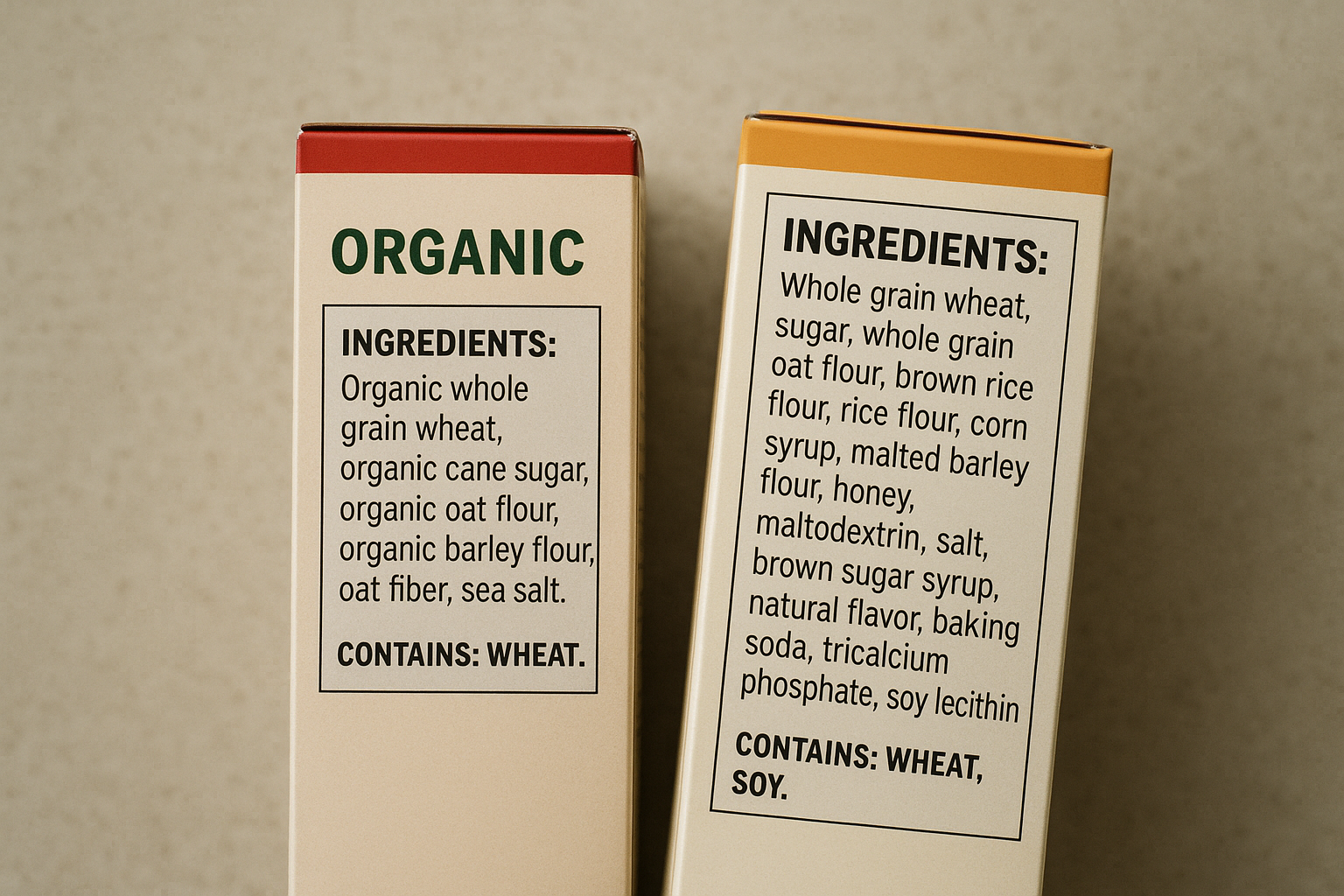
Comparing ingredient labels is one of the fastest ways to evaluate organic cereal for kids.
Organic Cereal for Kids: Nutrition Facts Parents Should Know
Nutrition labels tell a more complete story than front-of-box marketing. For example, some conventional children's cereals contain over 12 grams of added sugar per serving, while many organic alternatives keep that figure significantly lower by relying on honey and monk fruit instead of refined cane sugar. Meanwhile, fiber content can vary widely, with some ancient-grain cereals providing a notably high source of fiber compared to standard puffed rice or corn flakes.
Therefore, it helps to look past the front label entirely and compare the nutrition panel across a few brands before deciding. For a broader comparison of taste-forward, lower-sugar options, this roundup of healthiest cereals that actually taste good offers additional context, as does this dedicated parent's guide to high-fiber breakfasts.
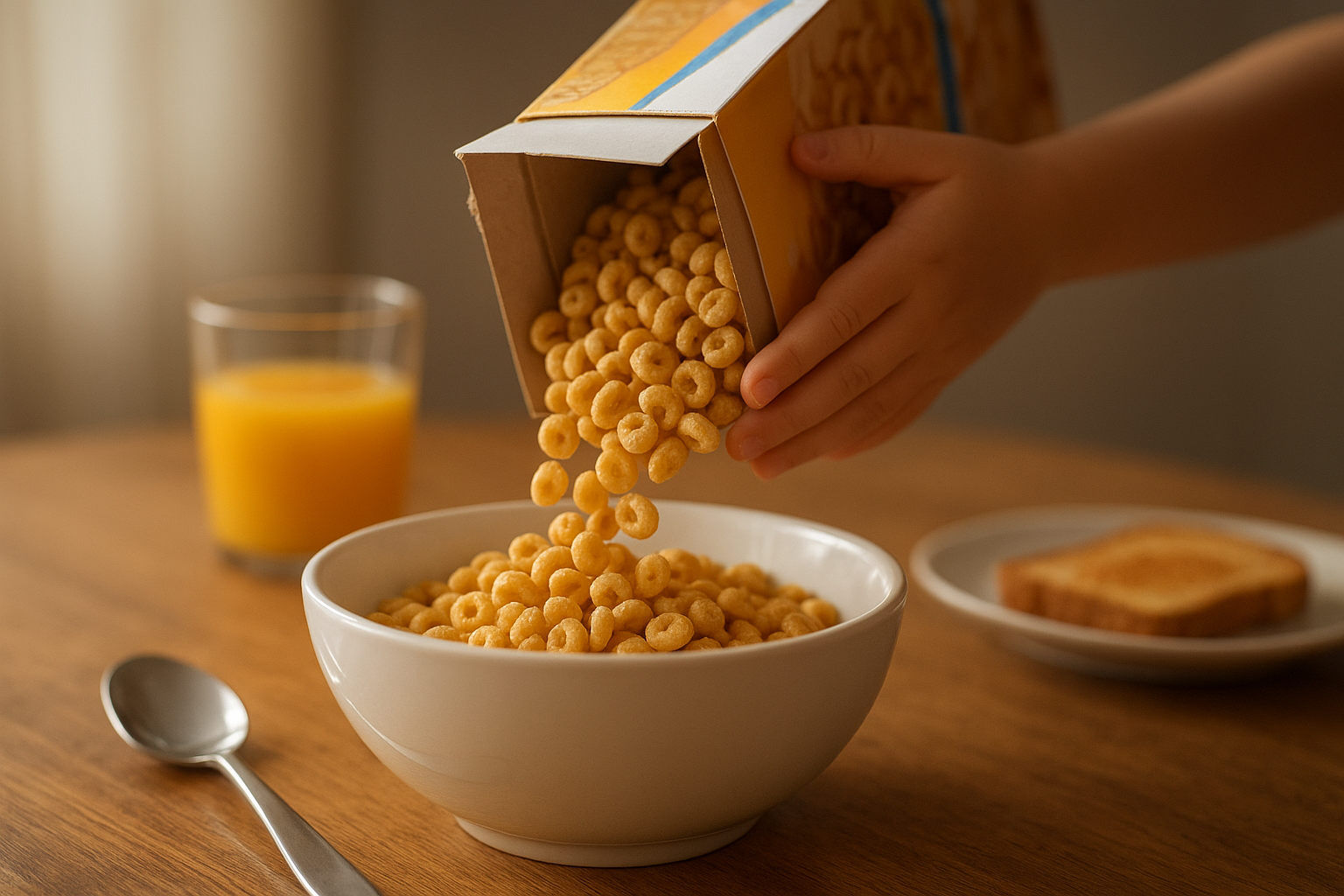
Serving organic cereal for kids at breakfast can feel just as familiar as traditional cereal.
Frequently Asked Questions About Organic Cereal for Kids
What is organic cereal for kids?
Organic cereal for kids is a breakfast cereal made from grains grown without synthetic pesticides or GMOs and certified under USDA Organic standards. It typically avoids artificial colors, flavors, and preservatives in favor of whole grains and natural sweeteners.
How is organic cereal different from regular cereal?
Organic cereal uses grains grown without synthetic chemicals and is often less processed than conventional cereal. Regular cereal frequently contains refined sugar, artificial additives, and heavily extruded grains that strip away much of the original texture.
Why should I choose organic cereal for kids over conventional brands?
Choosing organic cereal for kids can reduce exposure to synthetic pesticide residue and unnecessary additives while supporting better eating habits. Many organic options also contain significantly less added sugar than traditional children's cereals.
Is organic cereal more expensive than regular cereal?
Organic cereal is often priced somewhat higher due to certification costs and cleaner sourcing of whole and ancient grains. However, many families find the cost difference reasonable given the lower sugar content and higher ingredient quality.
How much sugar should be in a healthy kids' cereal?
Pediatric nutrition guidance generally recommends keeping added sugar as low as possible in children's breakfast foods, ideally under a few grams per serving. Comparing nutrition labels side by side is the fastest way to spot high-sugar cereals.
What does Non-UPF Verified mean on a cereal box?
Non-UPF Verified is a third-party certification from WISEcode confirming a product does not meet the criteria for ultra-processed food. It gives parents an independent, data-based signal rather than relying on marketing claims alone.
Are ancient grains like Khorasan wheat safe for kids?
Yes, ancient grains such as Khorasan wheat are generally safe and nutritious for children who do not have wheat allergies or celiac disease. They provide fiber, protein, and minerals similar to or exceeding many modern wheat varieties.
Can organic cereal still taste good to kids?
Yes, modern organic cereals use real honey, monk fruit, and gentle puffing techniques to preserve familiar taste and crunch. Many kids cannot tell the difference between a well-made organic cereal and a traditional sugary one.
What is glyphosate, and why does it matter in cereal?
Glyphosate is a widely used herbicide that can leave residue on conventionally grown grains, including wheat and oats. Choosing cereal certified Glyphosate Residue Free helps minimize a child's dietary exposure to this chemical.
How long does organic cereal last once opened?
Most organic cereals stay fresh for several weeks once opened if stored in a sealed container in a cool, dry pantry. Because many organic cereals skip synthetic preservatives, proper storage matters more than with conventional brands.
What's the biggest mistake parents make when choosing cereal?
The most common mistake is trusting front-of-box marketing claims instead of reading the ingredient list and nutrition panel. Words like natural or wholesome are not regulated the same way organic certification is.
Is puffed cereal healthier than extruded cereal?
Gently puffed cereal typically retains more of the grain's natural structure than heavily extruded cereal, which is forced through high heat and pressure to form engineered shapes. This generally means less processing and fewer added binding agents.
Does organic cereal provide enough fiber for kids?
Many organic cereals made from whole and ancient grains provide a good source of fiber, with some varieties offering notably high amounts per serving. Checking the nutrition label is the best way to confirm fiber content for a specific product.
Final Thoughts on Organic Cereal for Kids
Ultimately, organic cereal for kids does not have to mean sacrificing the taste and nostalgia families grew up with. Instead, it means choosing a product built on real whole and ancient grains, lower sugar, and independently verified standards like Non-UPF Verified and Glyphosate Residue Free certification. As a result, parents can stock the pantry with confidence while kids still get a cereal they genuinely want to eat. Whether you're comparing labels at the store or exploring options like Good Grains' Organic Honey Puffs and Organic Cinnamon cereal at goodgrains.com, the core idea remains the same: healthier cereal should still taste like cereal.
0 comments