


Finding the best healthy cereal for kids can feel like navigating a maze of colorful boxes, confusing nutrition claims, and cartoon mascots promising fun over function. However, once you know what separates a genuinely nutritious cereal from a cleverly marketed one, the search gets much simpler. This guide breaks down exactly what to look for, why it matters, and how organic, minimally processed options are changing what "healthy cereal" actually means for families.
Quick answer: The best healthy cereal for kids is made from organic whole or ancient grains, contains low added sugar, skips artificial additives and seed oils, and still delivers the nostalgic taste children expect. Look for third-party verification, like Non-UPF Verified or USDA Organic, rather than relying on front-of-box marketing alone.
What Is the Best Healthy Cereal for Kids?
The best healthy cereal for kids combines three things at once: real, recognizable ingredients, meaningfully lower sugar, and a taste kids genuinely enjoy. In particular, that means organic whole or ancient grains, gentle processing that preserves grain structure, and sweeteners like honey used in moderation rather than refined cane sugar syrups.
Many products marketed as "healthy" fail on at least one of these fronts. For example, some grain-free or keto-style cereals sacrifice taste and familiarity, while others lean on protein isolates or engineered fibers that stray far from what cereal has traditionally been. As a result, families often end up choosing between nostalgia and nutrition, when neither should be necessary.
Why Traditional Cereal Aisles Fall Short
Most conventional children's cereals rely on refined grains, added cane sugar, and artificial colors or flavors to create bright, sweet, shelf-stable products. Consequently, a single serving can carry as much sugar as a dessert, even when the box features fruit imagery or "made with whole grain" claims.
According to nationally representative dietary data, ultra-processed foods account for nearly 67 percent of the calories consumed by U.S. children and adolescents (Wikipedia: Ultra-processed food). Breakfast cereal is frequently among the first ultra-processed foods introduced into a child's daily routine, which is why choosing carefully at breakfast can meaningfully shift a family's overall diet quality.
Meanwhile, the opposite extreme, cereals built around trendy diet claims, often over-engineer the product to hit a macro target, resulting in dense textures, unfamiliar flavors, and low acceptance among kids. Neither extreme solves the actual problem parents are trying to fix.
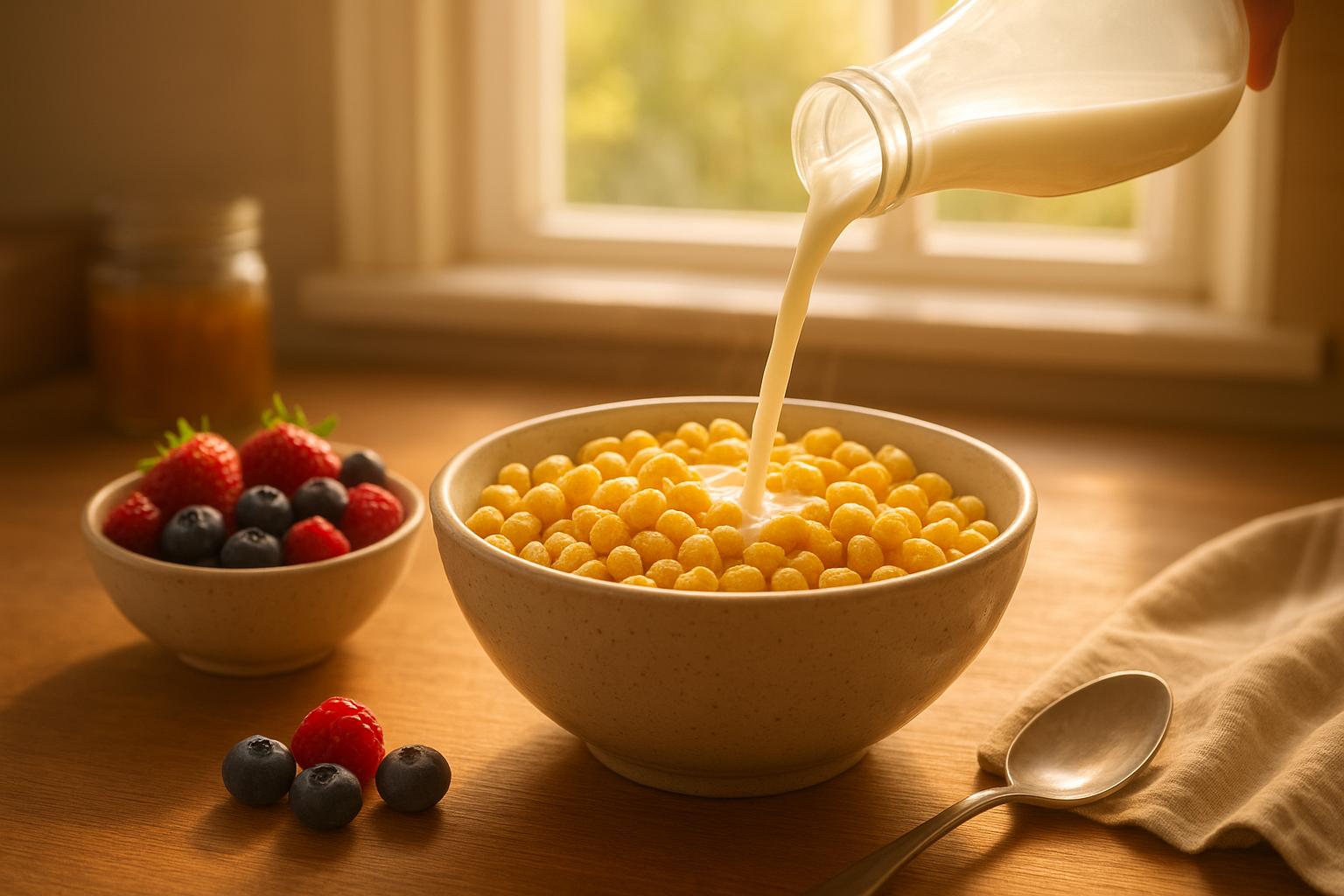
A bowl of organic puffed cereal represents what many parents look for in the best healthy cereal for kids: familiar taste with cleaner ingredients.
What Makes a Cereal Truly Healthy for Children?
A genuinely healthy kids cereal earns that label through its full ingredient panel, not just its front-of-box claims. Specifically, look for whole or ancient grains listed first, moderate natural sweeteners, and enough fiber to support steady energy through the school morning.
Sugar Content Matters More Than Marketing
Many pediatric nutrition experts recommend keeping added sugar under roughly 6 grams per cereal serving, especially for younger children. In contrast, some popular children's cereals contain 10 to 15 grams per serving, which is closer to a dessert than a breakfast staple.
Fiber Supports Fullness and Digestion
Cereals made from whole or ancient grains typically provide more fiber than refined-grain alternatives. Therefore, checking for at least 3 to 5 grams of fiber per serving is a practical benchmark when comparing boxes side by side. For a deeper look at fiber-forward options, this high-fiber cereal guide covers the topic in more detail.
Puffed vs. Extruded: How Processing Affects Quality
Not all cereal manufacturing is equal, and the method matters more than most shoppers realize. Extrusion forces grain dough through high heat and pressure to create engineered shapes, such as loops or stars, which can break down the grain's natural structure in the process.
Gentle puffing, on the other hand, uses controlled heat and pressure to expand a whole grain kernel while keeping more of its original character intact. Whole grains, defined as grains that retain the bran, germ, and endosperm, generally lose fewer nutrients when processed this way (Wikipedia: Whole grain).
Additionally, ancient grains such as Khorasan wheat bring naturally dense texture and flavor that pairs well with gentle puffing, since they have not been bred for the high-yield extrusion processes common in mainstream cereal manufacturing.
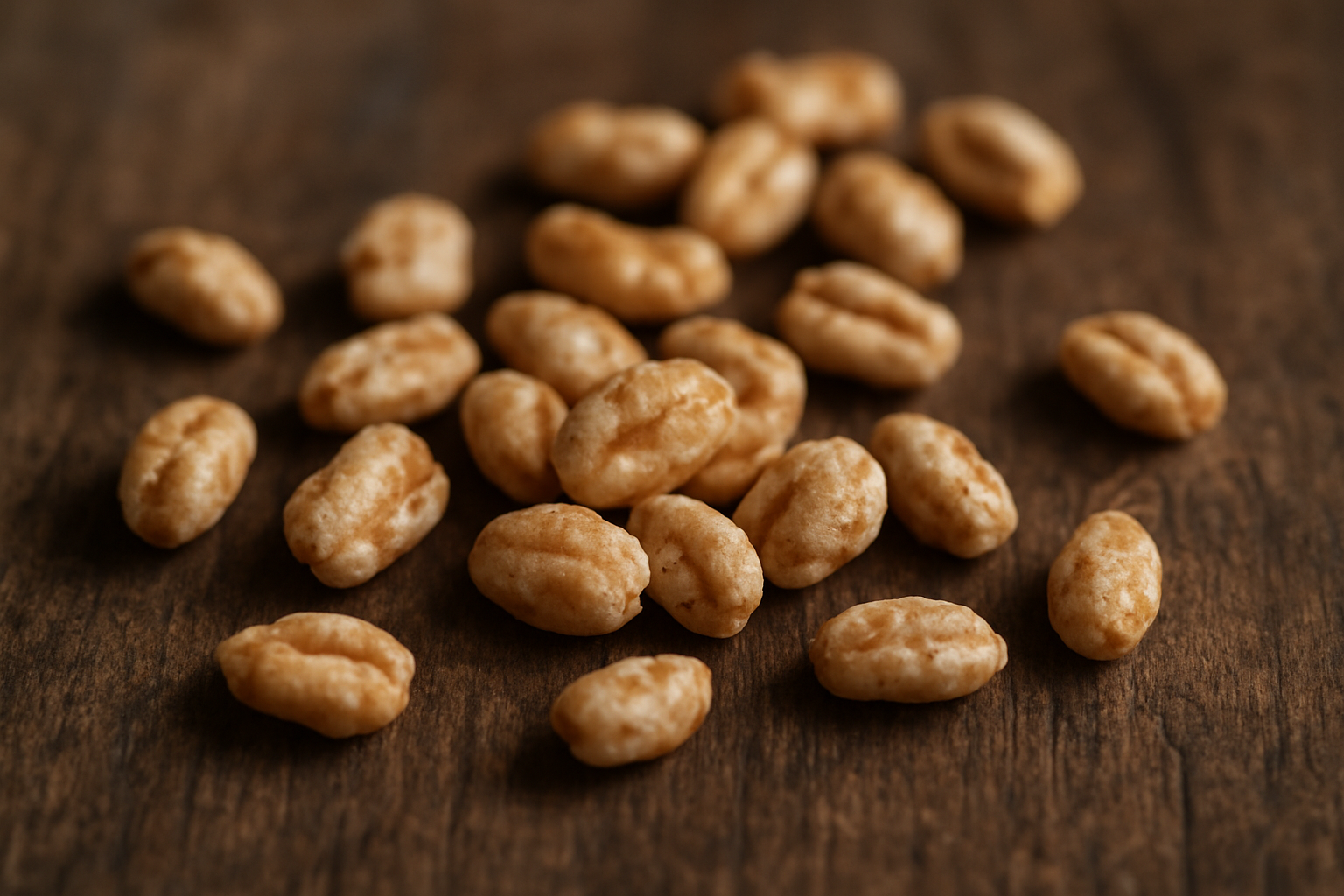
Gentle puffing helps ancient grains retain more of their natural structure compared to heavily extruded cereal shapes.
Ingredients Worth Watching For and Against
Beyond sugar and fiber, a handful of specific ingredients tend to separate cleaner cereals from heavily engineered ones. Seed oils, for instance, are sometimes used in flavor coatings and are worth checking for on the ingredient panel if your family prefers to limit them.
Similarly, artificial preservatives and synthetic dyes extend shelf life and visual appeal but offer no nutritional benefit. In contrast, organic certification and glyphosate residue testing provide independent assurance that a product meets stricter agricultural standards, according to guidance from the USDA's organic program.
For a broader breakdown of which ingredients to prioritize, this clean cereal guide for parents walks through label-reading in more depth.
How to Choose the Best Healthy Cereal for Kids: Step by Step
Rather than guessing at the grocery store, use a consistent process to evaluate every box before it goes in the cart.
- Check the added sugar per serving. Confirm it falls under roughly 6 grams, since many children's cereals exceed this significantly.
- Read the full ingredient list. Look for whole or ancient grains near the top and watch for refined flours or seed oils further down.
- Look for independent certifications. Prioritize USDA Organic, Non-UPF Verified, or glyphosate residue free labeling over marketing claims.
- Compare fiber content across brands. Aim for at least 3 to 5 grams per serving to support steady morning energy.
- Test taste and texture with your kids. Pair the new cereal with a favorite topping and let their feedback guide the final decision.
Following this process consistently makes it far easier to filter out engineered "health food" trends and traditional sugary options alike. For a more complete comparison framework, see this family cereal buying guide.
Good Grains: A Real-Grain Option Worth Trying
Good Grains was built specifically to close the gap between nostalgic taste and genuine nutrition. Its organic puffed cereals use whole and ancient grains, including Khorasan wheat and organic corn, processed through gentle puffing rather than heavy extrusion.
Notably, Good Grains became the first cereal to receive Non-UPF Verified certification through WISEcode, and it is also certified glyphosate residue free. Sweetened varieties rely on organic honey and organic monk fruit instead of refined cane sugar, which keeps sugar meaningfully lower than many traditional children's cereals while still delivering familiar flavor.
Families curious about organic options more broadly can also explore this organic cereal guide or this low-sugar cereal comparison for additional context before choosing a box. You can also visit Good Grains directly to see current product offerings.
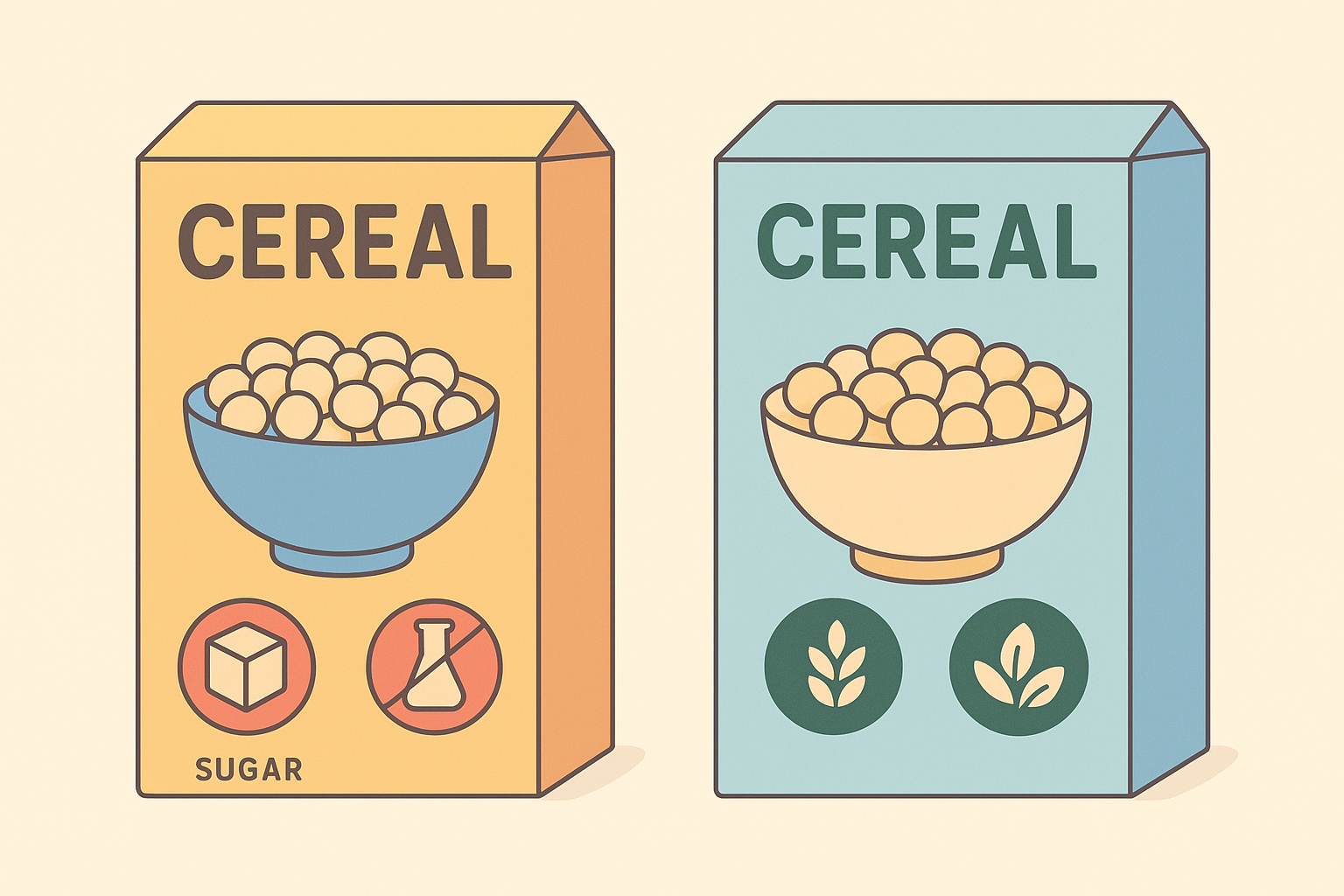
Comparing ingredient panels side by side is one of the fastest ways to identify the best healthy cereal for kids.
Frequently Asked Questions
What is the best healthy cereal for kids?
The best healthy cereal for kids is one made from organic, minimally processed whole or ancient grains, with low added sugar, no artificial ingredients, and enough fiber to keep kids full. It should also taste good enough that children actually want to eat it every morning.
How is healthy cereal different from regular cereal?
Healthy cereal typically uses whole or ancient grains, real sweeteners like honey in modest amounts, and minimal processing, while regular cereal often relies on refined grains, added cane sugar, and heavy extrusion. As a result, healthy cereal tends to have more fiber and fewer engineered additives.
Why should parents avoid ultra-processed cereal?
Ultra-processed cereals are linked to higher intakes of added sugar, refined starch, and additives that displace more nutrient-dense foods in a child's diet. Choosing minimally processed options helps limit this displacement while still providing a familiar breakfast.
What does Non-UPF Verified certification mean?
Non-UPF Verified is an independent certification confirming a food product is not classified as ultra-processed, based on formulation and processing criteria. It gives parents a third-party signal beyond marketing claims on the front of the box.
How much sugar should be in a kid's cereal?
Many pediatric nutrition guidelines suggest keeping added sugar in a single cereal serving under 6 grams, and ideally lower for younger children. Comparing grams of sugar per serving on the nutrition label is the fastest way to check this.
What are ancient grains and why do they matter?
Ancient grains, such as Khorasan wheat, are varieties that have remained largely unchanged over centuries and are often less hybridized than modern wheat. They typically retain more of their natural fiber and mineral content when minimally processed.
Is puffed cereal healthier than extruded cereal?
Gentle puffing tends to preserve more of a grain's natural structure than high-heat, high-pressure extrusion, which can break grains down into engineered shapes. This generally means puffed cereal keeps more of its original texture and nutrients intact.
What does glyphosate residue free mean on a cereal label?
Glyphosate residue free means independent testing found no detectable residue of this common herbicide in the finished product. It is a stricter standard than organic certification alone, since organic crops can occasionally show trace residue from neighboring fields.
How much fiber should kids get from breakfast cereal?
A cereal that provides at least 3 to 5 grams of fiber per serving is a reasonable target for most school-age children. Whole and ancient grain cereals with minimal processing often reach this level more easily than refined-grain cereals.
Are seed oils a concern in kids' cereal?
Seed oils are sometimes used in cereal coatings or flavor systems, and some parents prefer to avoid them due to their high omega-6 content relative to omega-3. Checking the ingredient list for oils like soybean, canola, or sunflower oil helps identify this.
Does the best healthy cereal for kids cost more than regular cereal?
Organic, minimally processed cereals usually cost more per box than conventional supermarket cereals, largely due to organic sourcing and smaller-scale production. Many families offset this by treating it as a nutrient-dense staple rather than an everyday indulgence.
How long does it take to switch a picky eater to healthier cereal?
Most families see kids adjust within one to two weeks when a new cereal has a familiar taste and texture rather than a dramatically different one. Introducing it alongside a favorite topping, like fresh fruit, can smooth the transition.
What is a common mistake parents make when choosing healthy cereal?
A common mistake is trusting front-of-box claims like "natural" or "made with whole grain" without checking the ingredient list and sugar content. These terms are not strictly regulated and can appear on products that are still highly processed.
Can healthy cereal still taste good to kids?
Yes, cereals that use real honey, cinnamon, or cocoa in modest amounts can taste close to nostalgic favorites while using cleaner ingredients. Taste and nutrition are not mutually exclusive when a cereal is formulated thoughtfully.
Final Thoughts
Ultimately, choosing the best healthy cereal for kids comes down to reading past the marketing and checking sugar, fiber, and ingredient quality directly. Rather than choosing between nostalgic taste and genuine nutrition, families can look for organic, minimally processed options built from whole and ancient grains. As this guide has shown, independent certifications, thoughtful sweeteners, and gentle processing methods make it possible to serve a cereal that both parents and kids feel good about. For a closer look at how these principles come together in practice, this 2025 family cereal guide offers additional comparisons worth reviewing before your next grocery trip.
0 comments