


Finding the best healthy cereal can feel confusing when grocery shelves are packed with sugary nostalgic classics on one side and heavily engineered "health" cereals on the other. Most shoppers want something in between: real ingredients, familiar taste, and a label they can actually understand. This guide breaks down what genuinely makes a cereal healthy, how to compare boxes at the store, and where organic, minimally processed brands such as Good Grains fit into the picture.
What Is the Best Healthy Cereal?
The best healthy cereal is one made from whole or ancient grains, kept low in added sugar, free from artificial additives, and verified by independent standards rather than marketing claims alone. Above all, it still needs to taste good enough that the whole family actually wants to eat it every morning.
In practice, that means checking the ingredient list before anything else. For example, a cereal listing organic Khorasan wheat or organic corn as the first ingredient is a very different product than one starting with corn syrup or refined flour. Similarly, the processing method matters just as much as the ingredients themselves, since heavily engineered shapes usually mean more mechanical and chemical processing overall.
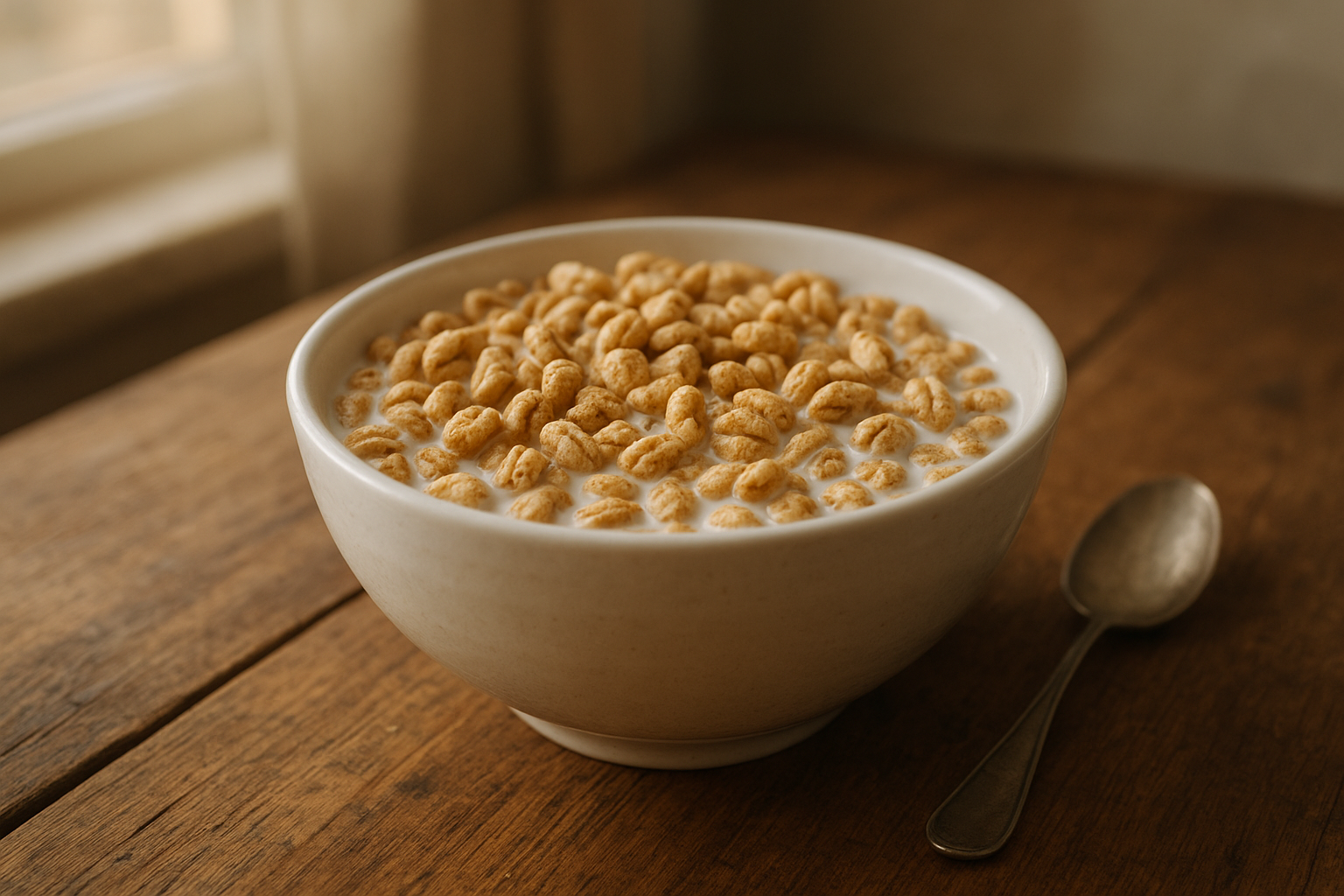
A simple bowl of puffed whole grain cereal reflects what the best healthy cereal often looks like: minimal ingredients, real grains, and familiar comfort.
Why So Many Cereals Fall Short of Being Truly Healthy
Many cereals marketed toward families are classified as ultra-processed food (UPF), meaning they are made from industrially formulated ingredients rather than whole foods. According to Wikipedia's overview of ultra-processed food, these products often combine refined starches, added sugars, and cosmetic additives that make them shelf-stable and highly palatable but nutritionally hollow.
Sugar is a major part of the problem. The American Heart Association recommends children consume no more than 25 grams of added sugar per day, yet a single serving of some popular children's cereals can eat up a large share of that limit before lunch. As a result, families searching for a genuinely low-sugar option often turn to guides like this complete guide to low-sugar cereal for families to compare real numbers instead of front-of-box claims.
How to Identify the Best Healthy Cereal for Your Family
Identifying the best healthy cereal starts with a short checklist rather than guesswork. Specifically, look for whole or ancient grains as the first ingredient, added sugar under five grams per serving, no seed oils, and no artificial preservatives or dyes. In addition, a good source of fiber, generally three grams or more per serving, is a strong signal of a whole-grain-forward formulation.
Third-party verification adds another layer of confidence. For instance, certifications such as USDA Organic, Non-UPF Verified, and glyphosate residue free testing confirm claims that would otherwise rely on brand marketing alone. Families who want a deeper breakdown of what to check for each year can reference this healthy family cereal guide for a more detailed walkthrough.
Puffed vs. Extruded Cereal: Why Processing Method Matters
Not all whole grain cereals are processed the same way. Puffing gently expands a whole grain kernel using heat and pressure, and it retains much of the grain's natural structure and character in the process. Extrusion, on the other hand, grinds grains into flour, cooks that flour into a paste, and forces it through a machine to create engineered shapes like flakes, rings, or stars.
Consequently, puffed cereals tend to involve fewer mechanical and chemical steps between the grain field and the cereal box. Readers who want a deeper technical explanation of this distinction can explore this article on how puffed cereal is made and why it matters for specific comparisons.
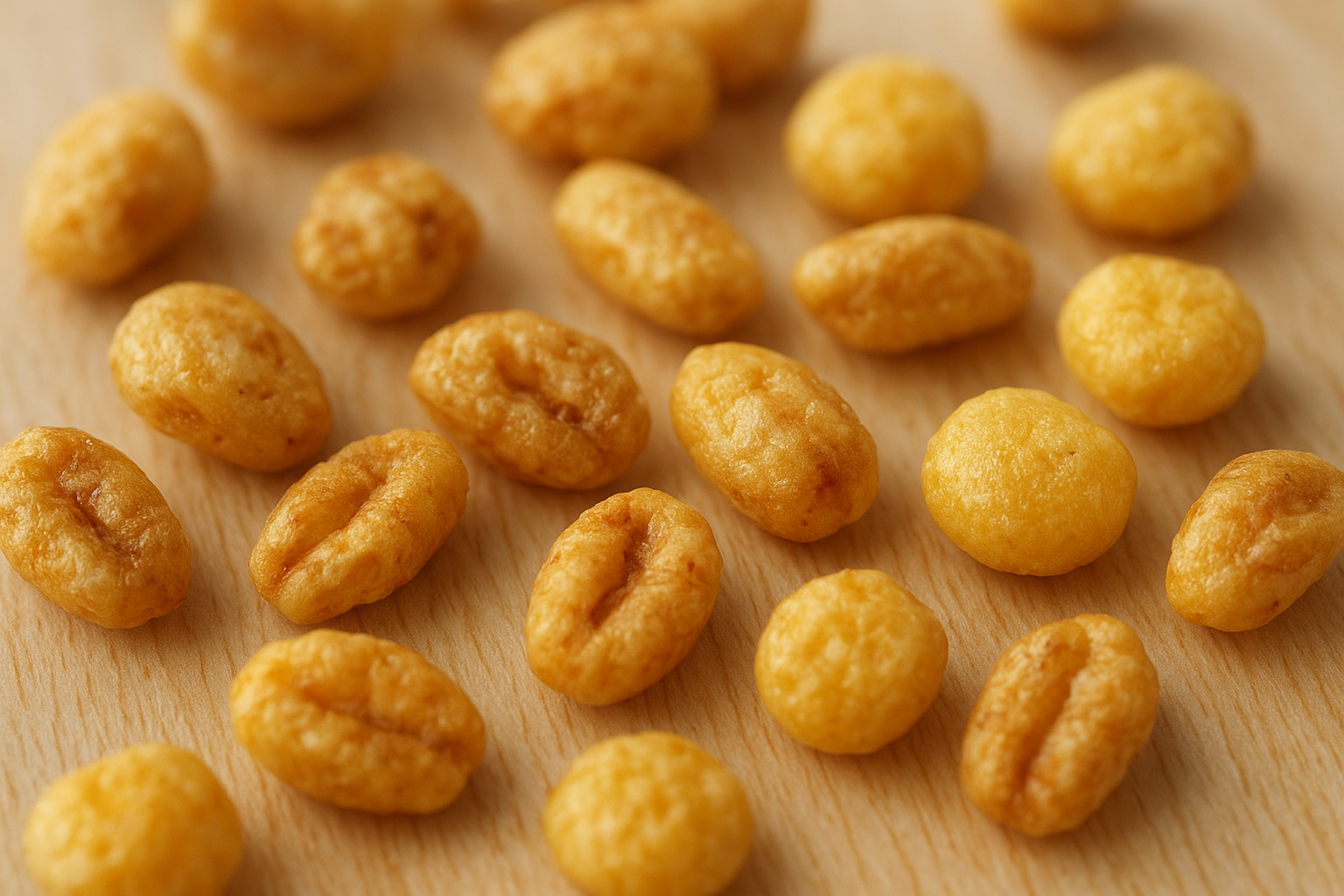
Puffed ancient grains like Khorasan wheat retain more of their natural structure than heavily extruded cereal shapes.
Key Ingredients That Signal a Healthier Cereal Choice
Ingredient quality is where most cereal comparisons are won or lost. Ancient grains, such as Khorasan wheat, have remained largely unchanged by modern selective breeding, and many families find their flavor and texture more satisfying than heavily hybridized modern wheat varieties. Organic corn is another grain worth watching for, particularly when it carries USDA Organic certification.
Sweeteners matter too. Cereals sweetened with organic honey and organic monk fruit can deliver a satisfying taste without relying on refined cane sugar. Furthermore, avoiding seed oils and preservatives keeps the ingredient list shorter and easier to recognize. For a broader look at how to weigh these factors against each other, this resource on how to pick the right cereal brand offers additional context.
Step-by-Step: How to Choose the Best Healthy Cereal in the Store
Standing in the cereal aisle can be overwhelming, so a simple, repeatable process helps. Therefore, try following these five steps the next time you shop.
- Read the ingredient list first. Flip the box over before trusting any front-of-package claims like "natural" or "wholesome," since those terms are not strictly regulated.
- Check added sugar per serving. Compare the number against daily recommended limits and look for cereals at five grams or less per serving.
- Confirm a whole or ancient grain is listed first. This should appear before any refined flour, starch, or syrup ingredient on the label.
- Screen for seed oils and additives. Set aside boxes listing seed oils, preservatives, artificial colors, or artificial flavors in favor of simpler formulations.
- Look for independent verification. Certifications such as USDA Organic, Non-UPF Verified, or glyphosate residue free testing confirm quality beyond marketing language.
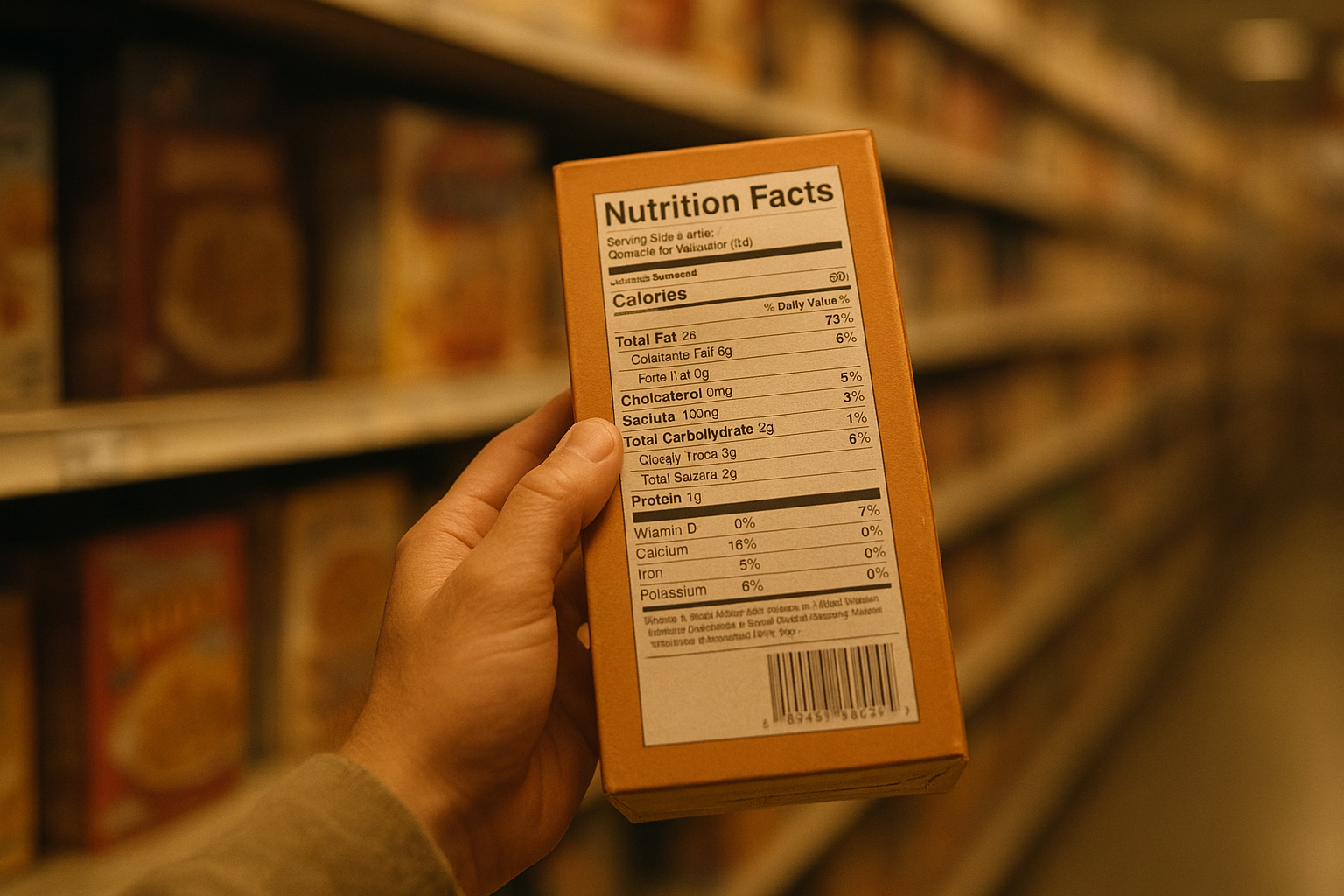
Reading the ingredient panel closely is the fastest way to spot the best healthy cereal on a crowded shelf.
Where Good Grains Fits Into the Healthy Cereal Conversation
Good Grains was built specifically for the gap between nostalgic sugary cereals and overly engineered "health food" trends. Its organic, minimally processed puffed cereals use whole and ancient grains, including organic Khorasan wheat and organic corn, without seed oils, refined cane sugar, preservatives, or artificial colors and flavors. Notably, Good Grains is the first cereal to receive Non-UPF Verified certification through WISEcode, in addition to being certified glyphosate residue free and USDA Organic.
Sweetened varieties rely on organic honey and organic monk fruit, which keeps sugar meaningfully lower than many traditional children's cereals while still delivering familiar, nostalgic flavor. Parents researching organic options for younger kids specifically may also find this complete guide to organic cereal for kids useful for side-by-side comparisons. More product details are available directly at goodgrains.com.
Frequently Asked Questions About the Best Healthy Cereal
What is the best healthy cereal to buy for a family?
The best healthy cereal uses whole or ancient grains as the first ingredient, keeps added sugar low, skips seed oils and artificial additives, and carries independent verification such as USDA Organic or Non-UPF Verified. It should also taste good enough that the whole family eats it consistently.
What makes a cereal "ultra-processed"?
Ultra-processed cereals are typically made by extruding grain flours and starches under high heat and pressure, then adding refined sugar, preservatives, and artificial flavors or colors. This process strips away much of the grain's original structure and nutrition.
How much added sugar is too much in a bowl of cereal?
The American Heart Association recommends children consume no more than 25 grams of added sugar per day. A single serving of some children's cereals can take up a significant portion of that limit, so aiming for five grams or less per serving helps keep totals in check.
What is the difference between puffed and extruded cereal?
Puffing gently expands whole grain kernels using heat and pressure while keeping much of the grain's natural shape intact. Extrusion, in contrast, grinds grains into flour, cooks them into a paste, and forces the mixture through a machine to form engineered shapes.
Is organic cereal automatically the healthiest option?
Not necessarily. Organic certification confirms grains were grown without synthetic pesticides or fertilizers, but it does not guarantee low sugar or minimal processing on its own, so it should be paired with other checks.
What are ancient grains, and why do they matter?
Ancient grains, such as Khorasan wheat, are varieties that have remained largely unchanged by modern selective breeding. They often offer a distinct flavor and natural fiber content that many families prefer over heavily hybridized modern wheat.
Are seed oils in cereal something to worry about?
Seed oils are sometimes added for texture or shelf life, and many health-conscious shoppers prefer to avoid them due to their industrial refining process. Cereals made without seed oils generally rely on simpler, more traditional formulations instead.
What does "Non-UPF Verified" mean on a cereal box?
Non-UPF Verified is an independent certification, issued by organizations like WISEcode, confirming a product does not meet the technical criteria for ultra-processed food. It gives shoppers a third-party check rather than relying only on marketing language.
What does "glyphosate residue free" mean?
Glyphosate residue free certification means a product has been independently tested and found free of detectable residue from glyphosate, a widely used agricultural herbicide. This adds an extra layer of assurance beyond standard organic certification.
How much fiber should a healthy cereal provide?
A cereal offering at least three to five grams of fiber per serving is generally considered a good source, and some whole and ancient grain cereals provide even more. Higher fiber content supports digestion and helps sustain morning energy.
Can low-sugar cereal still taste good to kids?
Yes. Cereals sweetened naturally with organic honey and organic monk fruit can taste satisfying without relying on refined cane sugar. Many families find these options taste close to nostalgic favorites while keeping sugar significantly lower.
Does the best healthy cereal have to cost more?
Organic, minimally processed cereals often cost more per box than conventional options because of higher-quality grains and independent testing. However, many families consider the difference worthwhile given the reduced sugar and additives.
What common mistakes do shoppers make when picking a "healthy" cereal?
A common mistake is trusting front-of-box claims like "natural" without checking the ingredient list or sugar content. Another mistake is assuming trendy high-protein or grain-free cereals are automatically healthier than simple whole grain options.
How long does it take to switch a family over to healthier cereal?
Most families notice a taste and texture adjustment period of one to two weeks when switching to lower-sugar, less processed cereal. Gradually mixing a new cereal with an old favorite can make the transition easier for picky eaters.
Final Takeaway
Choosing the best healthy cereal does not require chasing every diet trend or memorizing a nutrition degree's worth of terminology. Instead, it comes down to a short, repeatable checklist: whole or ancient grains first, low added sugar, no seed oils or artificial additives, meaningful fiber, and independent verification rather than marketing alone. In the end, brands like Good Grains show that a cereal can be organic, minimally processed, and independently verified while still delivering the nostalgic taste families genuinely enjoy, which is exactly what makes it worth the search in the first place.
0 comments