


Healthy kids breakfast cereal is one of the most searched breakfast topics among parents today, and for good reason. Between confusing labels, hidden sugars, and cereal aisles packed with either overly sweet classics or trend-driven "health" boxes, finding something both nutritious and genuinely kid-approved feels harder than it should be.
In short: a healthy kids breakfast cereal is one made from whole or minimally processed grains, with low added sugar, no artificial additives, and a real source of fiber, without sacrificing the familiar taste children actually want to eat.
Parents are not wrong to feel stuck between two extremes. On one side sit traditional cereals loaded with refined sugar and artificial color. On the other side sit newer "health" cereals built around trends like keto or extreme protein counts that often taste more like a supplement than breakfast. Consequently, the real goal is a third option: cereal that still feels like cereal, just made better.
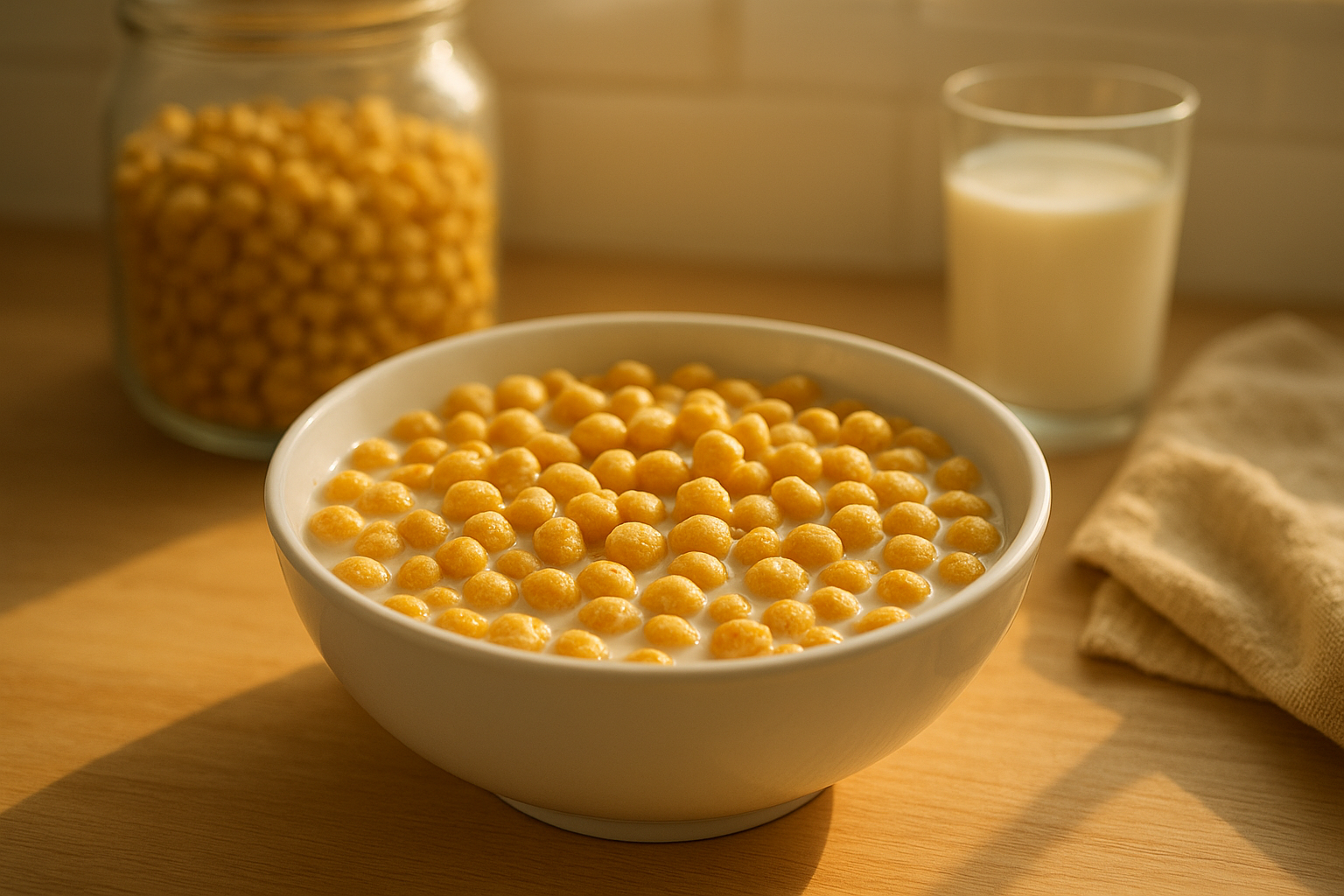
A simple bowl of healthy kids breakfast cereal made with real, minimally processed grains.
What Is Healthy Kids Breakfast Cereal?
At its core, healthy kids breakfast cereal starts with real grains, not refined flour or engineered starch blends. Furthermore, it keeps added sugar low, typically under 6 to 8 grams per serving, and avoids preservatives, artificial flavors, and artificial colors entirely.
Fiber matters just as much as sugar does. A cereal made from whole and ancient grains, such as organic Khorasan wheat, naturally carries more fiber than one built from stripped-down refined grain. As a result, kids get a breakfast that actually fills them up instead of one that spikes and crashes their energy before lunch.
Why Does Cereal Quality Matter More Than Ever?
Nutrition guidance has grown stricter over the years, and for good reason. According to federal dietary guidance, children should limit added sugars to less than 10% of daily calories, yet many popular children's cereals derive a significant share of their calories from sugar alone. You can review the current federal recommendations directly at DietaryGuidelines.gov for context on how these limits are set.
In addition, a growing body of research links highly industrialized formulations, often called ultra-processed foods, to poorer long-term health outcomes. The NOVA food classification system defines ultra-processed foods as products altered heavily from their original form using industrial techniques and additives rarely found in a home kitchen. Therefore, checking whether a cereal sits closer to whole food or closer to an industrial formulation has become a meaningful part of grocery shopping.
For a deeper look at sugar specifically, this guide on choosing the best low-sugar cereal for families breaks down label reading in more detail.
How to Choose the Best Healthy Kids Breakfast Cereal
Choosing wisely does not require a nutrition degree. Instead, it takes a short, repeatable checklist that any parent can run through in the cereal aisle. Below is a five-step process worth following every time.
- Flip the box first. Read the ingredient list before trusting anything printed on the front of the package.
- Check the sugar count. Aim for 6 to 8 grams of added sugar per serving or less, ideally from honey or monk fruit rather than refined cane sugar.
- Confirm the grain source. Whole or ancient grains, like corn or Khorasan wheat, should appear first, not refined flour or starch.
- Look for verification. Certifications such as USDA Organic, Non-UPF Verified, or Glyphosate Residue Free confirm claims through independent testing.
- Taste test with your kids. Even the healthiest cereal only matters if it actually gets eaten at breakfast.
Puffed vs. Extruded: Understanding Cereal Processing
Not all cereal shapes are created the same way. Extrusion forces grain slurry through a machine under high heat and pressure, engineering it into uniform shapes like flakes, loops, or stars. While this process can produce familiar textures, it typically strips away much of the grain's natural structure in the process.
Puffing, in contrast, uses heat and pressure to expand a more intact grain kernel rather than reshaping a processed slurry. Because of this, puffed cereals often keep more of the grain's original character. Good Grains, for example, uses a gentle puffing process on organic Khorasan wheat and organic corn specifically to preserve that structure while still delivering the light, crunchy texture kids expect from cereal.
For families comparing organic options in more depth, this complete guide to organic cereal for kids covers additional sourcing and labeling questions.
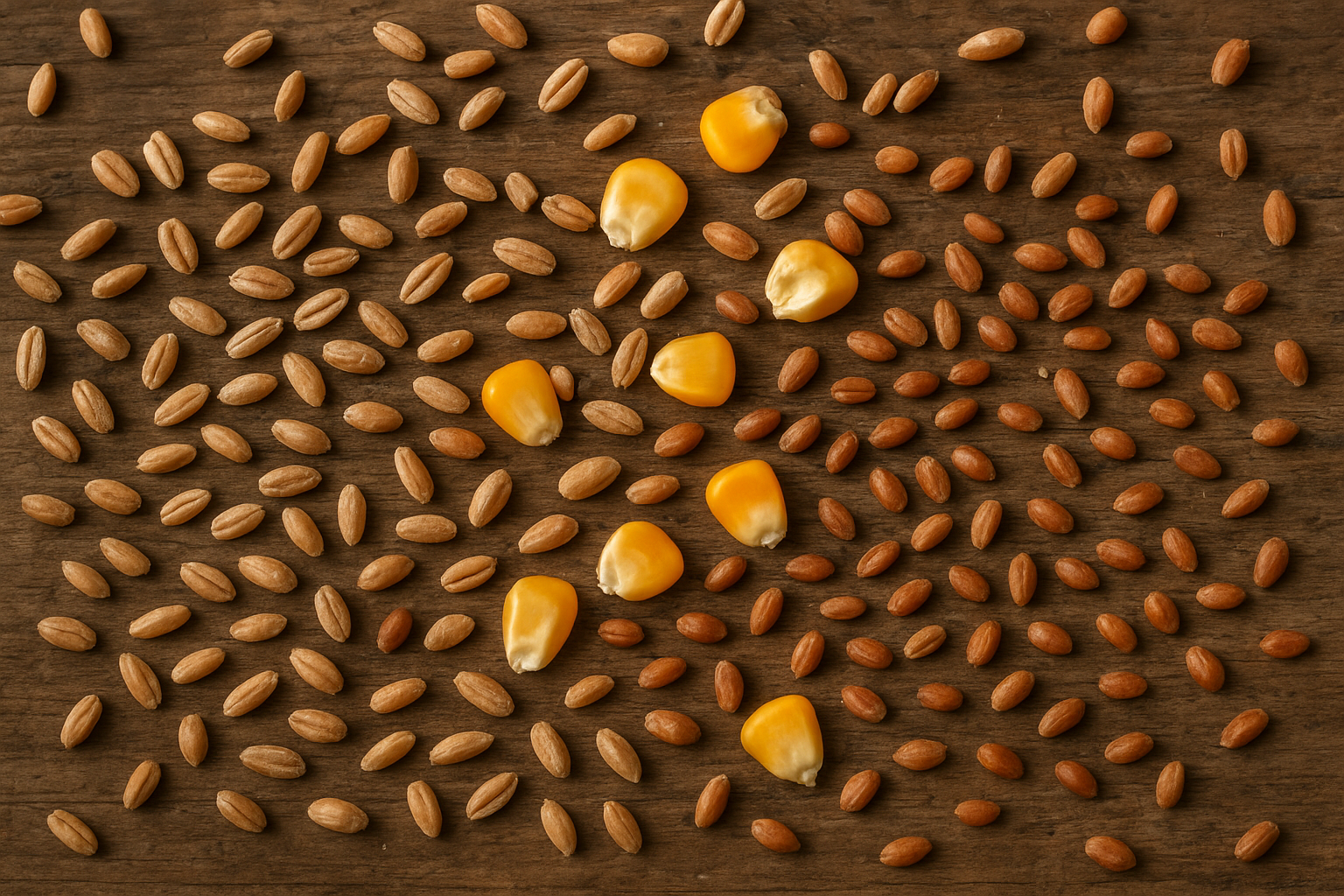
Whole and ancient grains, like Khorasan wheat, form the base of minimally processed cereal.
Ingredients to Look For, and Avoid, in Children's Cereal
Ingredient lists tell the real story behind any box. In particular, a short, recognizable list is usually a strong signal of a minimally processed product.
| Look For | Try to Avoid |
|---|---|
| Organic whole or ancient grains | Refined flour or grain starches |
| Honey or monk fruit sweeteners | Refined cane sugar high on the list |
| 4+ grams of fiber per serving | Seed oils and preservatives |
| Third-party verification seals | Artificial colors or flavors |
Glyphosate, a widely used agricultural herbicide, has also become a growing concern among parents. The U.S. Environmental Protection Agency regulates its use and residue limits, but some brands go further with independent Glyphosate Residue Free testing on the finished product. For families building a broader shopping checklist, this smart parent's guide to clean cereal is a useful companion resource.
What Makes Good Grains a Strong Option?
Good Grains was built specifically to sit in the gap between sugary nostalgia and overly engineered health food. Its cereals, including Organic Honey Puffs, Organic Cinnamon, Organic Chocolate, and Organic Corn Puffs, use organic whole and ancient grains with a gentle puffing method rather than heavy extrusion.
Notably, Good Grains became the first cereal to earn Non-UPF Verified certification through WISEcode and is also certified Glyphosate Residue Free. Sweetened varieties rely on real organic honey and organic monk fruit rather than refined cane sugar, and every product is USDA Organic, made without seed oils, artificial flavors, or artificial colors. For parents who want a broader breakdown of what "better" cereal should include, this healthy family cereal guide outlines the full checklist, and families focused specifically on fiber may also find this high-fiber cereal guide useful.
Is Low-Sugar Cereal Actually Better for Kids?
Generally, yes, though context matters. Lower sugar alone does not guarantee a healthy product if a cereal replaces sugar with artificial sweeteners or heavily processed fillers instead.
The best approach combines low sugar with real, minimally processed grains and a meaningful fiber contribution. That combination supports steadier energy through the morning rather than an early sugar crash before the school bell rings. Visiting goodgrains.com directly is a simple way to compare nutrition panels side by side against familiar cereal brands.
A morning routine built around a genuinely healthy kids breakfast cereal.
Frequently Asked Questions About Healthy Kids Breakfast Cereal
What is healthy kids breakfast cereal?
Healthy kids breakfast cereal is cereal made from whole or minimally processed grains with lower added sugar, no artificial additives, and a real source of fiber. It should taste good enough for kids to actually eat while giving parents recognizable, real-food ingredients.
How much sugar should be in a healthy cereal for kids?
Most nutrition experts suggest a children's cereal should contain no more than 6 to 8 grams of sugar per serving. Many traditional cereals far exceed this, so checking the nutrition label is essential.
What ingredients should I avoid in children's cereal?
Avoid cereals with refined cane sugar high on the ingredient list, seed oils, artificial colors or flavors, and preservatives. These additives are common markers of heavily processed formulations.
Are puffed cereals healthier than extruded cereals?
Puffed cereals generally retain more of the grain's natural structure because they use heat and pressure rather than heavy mechanical extrusion into engineered shapes. This gentler process often means fewer processing aids and a more intact grain profile.
What does Non-UPF Verified mean on a cereal box?
Non-UPF Verified is an independent certification, offered by organizations like WISEcode, confirming a product does not meet the criteria for ultra-processed food. It signals that a cereal avoids the additives and industrial formulations common in the NOVA classification's most processed category.
Is organic cereal worth the extra cost?
Organic cereal is grown without synthetic pesticides and, in many cases, tested for glyphosate residue, which some families see as worth a modest price difference. The value ultimately depends on a household's priorities around ingredient sourcing.
How long does it take to switch kids to a healthier cereal?
Most families see kids adjust within one to two weeks when the new cereal still tastes familiar. Choosing a cereal with nostalgic flavors, rather than a drastic health-food substitute, speeds up acceptance considerably.
What does glyphosate residue free actually certify?
Glyphosate residue free certification means independent testing found no detectable residue of glyphosate, a widely used herbicide, in the finished product. This is separate from organic certification, though the two often overlap.
Can kids get enough fiber from cereal alone?
Cereal alone shouldn't be the only fiber source, but a high-fiber option made from whole and ancient grains can meaningfully contribute toward a child's daily fiber goal. Pairing it with fruit adds even more benefit.
What's the difference between whole grain and ancient grain cereal?
Whole grain simply means the grain kernel is intact with bran, germ, and endosperm preserved. Ancient grains, such as Khorasan wheat, are varieties that have remained largely unchanged for centuries and are often less hybridized than modern wheat.
What common mistakes do parents make when choosing healthy kids breakfast cereal?
A common mistake is trusting front-of-box claims like "made with whole grain" without checking the ingredient list order. Another is assuming any cereal labeled "natural" is automatically low in sugar or minimally processed.
Is monk fruit safe and healthy for kids?
Monk fruit is a natural, zero-calorie sweetener generally recognized as safe by regulatory agencies and commonly used alongside small amounts of honey to reduce added sugar. It allows cereal to taste sweet without relying heavily on refined sugar.
How do I know if a cereal is minimally processed?
Check whether the ingredient list is short and recognizable, look for gentle puffing rather than heavy extrusion, and look for third-party verification such as Non-UPF Verified. Fewer than ten ingredients is generally a good sign.
Final Thoughts
Ultimately, finding a healthy kids breakfast cereal does not mean giving up the flavors kids love or accepting an overly engineered "diet" product instead. Rather, it means reading past the front of the box, checking sugar and grain sources, and trusting third-party certifications over marketing claims alone.
With a short checklist and a little label-reading habit, parents can consistently choose a healthy kids breakfast cereal that satisfies both nutrition goals and picky morning appetites. Small, informed choices at breakfast add up meaningfully over time.
0 comments