


Clean ingredient cereal is breakfast made from short, recognizable ingredient lists instead of long strings of additives, gums, and refined sweeteners. For families scanning cereal boxes at 7 a.m., that difference matters more than any marketing claim on the front panel. In particular, parents increasingly want cereal that tastes like the cereal they grew up with, minus the seed oils, artificial colors, or heavily engineered grains packed into many popular brands. This guide breaks down what clean ingredient cereal actually means, how to spot it on a shelf, and why brands such as Good Grains are rethinking the cereal aisle from the grain up.
What Is Clean Ingredient Cereal?
Clean ingredient cereal refers to breakfast cereal made primarily from whole or minimally processed grains, without artificial preservatives, synthetic dyes, seed oils, or heavily refined sweeteners. Ingredients are listed in short, plain language a home cook would recognize. Most clean ingredient cereals also skip heavy extrusion, a manufacturing process that grinds grains into a slurry before forcing them through machinery into engineered shapes, in favor of gentler processing methods.
As a result, the ingredient panel on a clean ingredient cereal box tends to look more like a recipe than a chemistry list. Similarly, the grains themselves usually retain more of their original structure, since they are puffed rather than reformulated. According to Wikipedia's overview of ultra-processed food, these products are typically defined by industrial formulations containing substances rarely used in home cooking. Clean ingredient cereal exists specifically to sit outside that category.
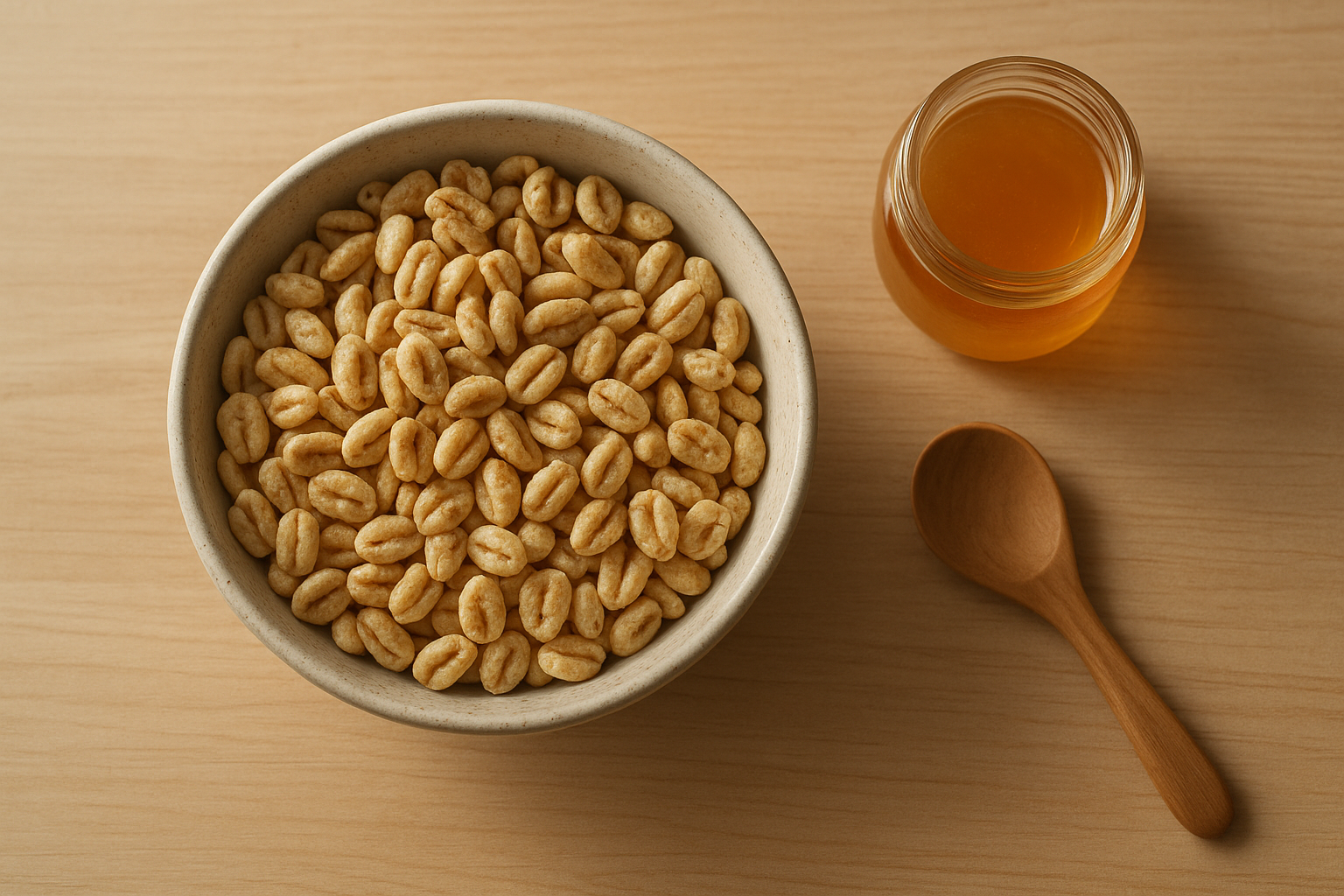
A clean ingredient cereal relies on whole grains and simple sweeteners instead of long additive lists.
Why Clean-Label Cereal Ingredients Matter for Families
Cereal is often eaten daily, sometimes several times a week per child, which means small ingredient decisions add up quickly. Consequently, a clean-label cereal choice made at breakfast can influence a family's overall sugar and additive intake far more than an occasional treat would. Furthermore, children's smaller body weight means additives and added sugars have a proportionally larger effect than they would for an adult eating the same serving.
In addition, taste still matters. Above all, a healthier cereal only works for a family if kids actually want to eat it. That is why clean ingredient cereal brands lean on nostalgic flavors, such as honey, cinnamon, or chocolate, rather than unfamiliar health-food flavor profiles that many children reject at the table.
Ultra-Processed vs. Minimally Processed: The Difference That Matters
Not all processing is equal. Specifically, minimally processed cereal involves techniques like puffing, toasting, or light milling that change a grain's texture without fundamentally altering its composition. In contrast, ultra-processed cereal typically involves extrusion, chemical modification, and the addition of flavor compounds, colorants, and stabilizers that do not exist in a home kitchen.
Research cited by the Wikipedia entry on ultra-processed food notes that these products can make up a substantial share of daily caloric intake in many Western diets. For that reason, choosing a cereal that falls on the minimally processed side of the spectrum is one of the simplest daily swaps a family can make without changing an entire diet overnight.
How Glyphosate Testing Fits Into Clean Ingredient Cereal
Beyond processing, some clean ingredient cereal brands also test for glyphosate, a widely used herbicide, to confirm residue levels fall below detectable thresholds. Independent glyphosate residue testing gives an extra layer of confidence that the grains inside the box were grown and handled with fewer chemical inputs, which matters to families who already prioritize organic sourcing.
How to Identify a Truly Clean Ingredient Cereal
Reading a cereal box quickly is a learnable skill. Therefore, the following steps outline a simple process for evaluating any cereal on the shelf, whether it is marketed as healthy or not.
- Flip the box and count the ingredients. A genuinely clean ingredient cereal usually needs only a handful of recognizable items to exist.
- Check that whole grain leads the list. Ingredient order reflects proportion by weight, so a refined flour listed first is a red flag.
- Look for recognizable sweeteners. Honey or monk fruit signals a simpler formulation than high-fructose corn syrup or multiple sugar aliases.
- Screen out seed oils and preservatives. Their presence usually signals a longer, more industrial manufacturing process.
- Confirm third-party verification. Certifications such as Non-UPF Verified or USDA Organic provide outside confirmation, rather than relying on front-of-box marketing alone.
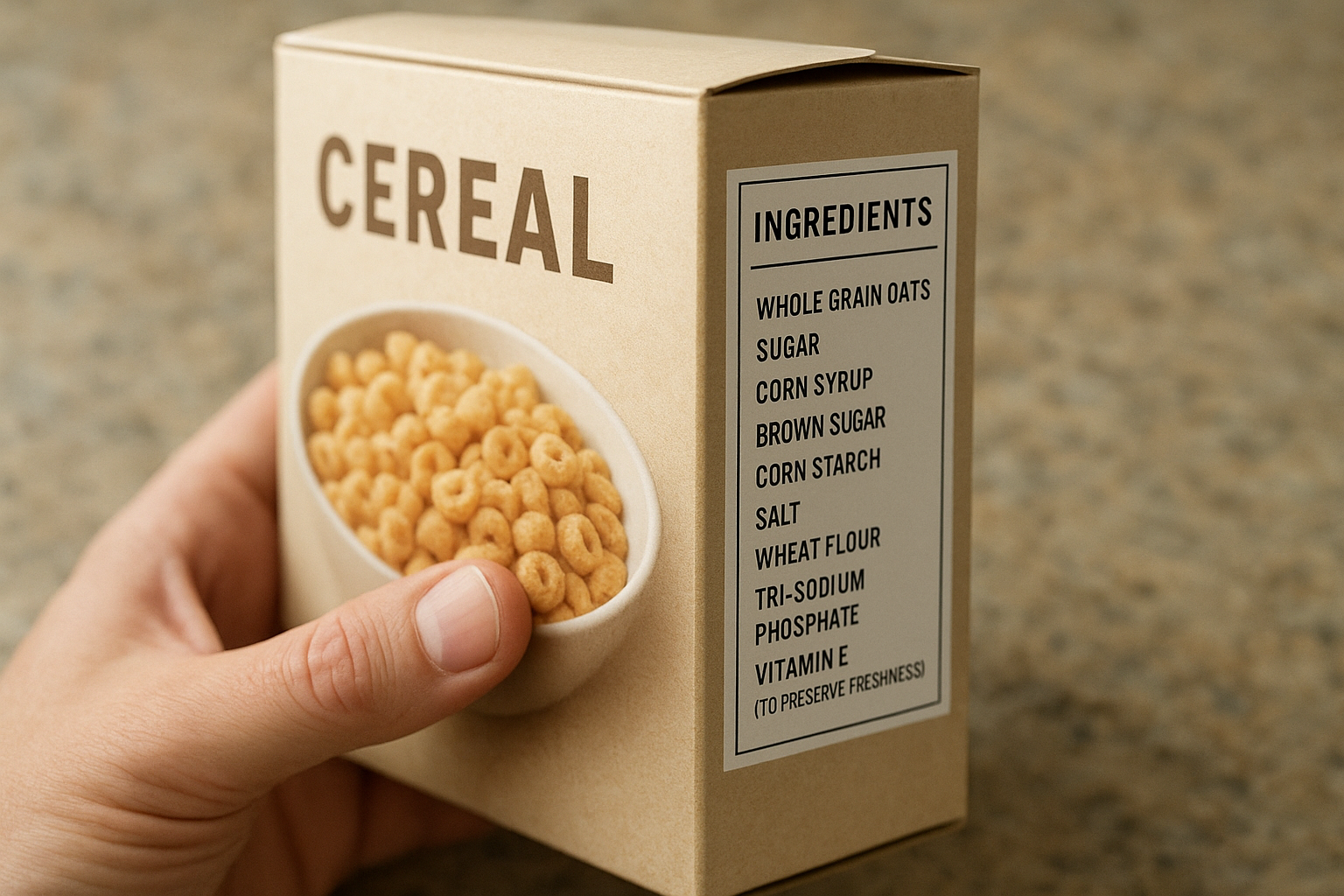
Checking the ingredient panel is the fastest way to spot a clean ingredient cereal on a crowded shelf.
What Good Grains Does Differently
Good Grains was built specifically to fill the gap between nostalgic sugary cereal and overly engineered "health" cereal. Rather than heavily extruding grains into complex shapes, the brand uses a gentler puffing process designed to preserve more of the grain's natural structure and character. As a result, the finished cereal still feels and tastes like the classic breakfast families remember.
Notably, Good Grains became the first cereal brand to receive Non-UPF Verified certification through WISEcode, as detailed in the brand's own announcement of its Non-UPF Verified certification. The products are also certified glyphosate residue free and USDA Organic, and they are made without seed oils, refined cane sugar, preservatives, or artificial flavors and colors. Sweetened varieties rely on real organic honey alongside organic monk fruit, which keeps sugar meaningfully lower than many traditional children's cereals while still delivering familiar taste.
Organic Ancient Grains and Why They Matter
Ancient grains, including organic Khorasan wheat, play a central role in many clean ingredient cereal formulations. Khorasan wheat, sometimes sold under the trademark Kamut, is an older wheat variety with a nutty flavor and notably high fiber content compared to modern hybridized wheat, according to the Wikipedia entry on Khorasan wheat. Because it has undergone far less hybridization than conventional wheat, it retains more of its original grain structure.
Meanwhile, organic corn serves a similar purpose in puffed corn cereals, offering a naturally sweet, simple base without relying on refined starches. Together, ancient and whole grains give clean ingredient cereal both its nutritional backbone and its hearty, satisfying texture, which is one reason fiber content in these cereals often runs higher than in conventional boxed cereal.
Sugar, Sweeteners, and Fiber in Clean Ingredient Cereals
Added sugar remains one of the most scrutinized parts of any cereal label. For context, many pediatric nutrition resources recommend keeping added sugar in a single cereal serving under roughly 6 grams, a benchmark that numerous traditional children's cereals exceed by a wide margin. Clean ingredient cereal sweetened with small amounts of honey or monk fruit can land well below that threshold while still tasting sweet enough for kids to enjoy.
At the same time, fiber content deserves equal attention. Whole and ancient grains naturally contain more fiber than refined flour, which supports digestion and helps sustain energy through a school morning. For a broader breakdown of what to check on a nutrition panel, the healthy family cereal guide covers additional label details worth reviewing before buying.
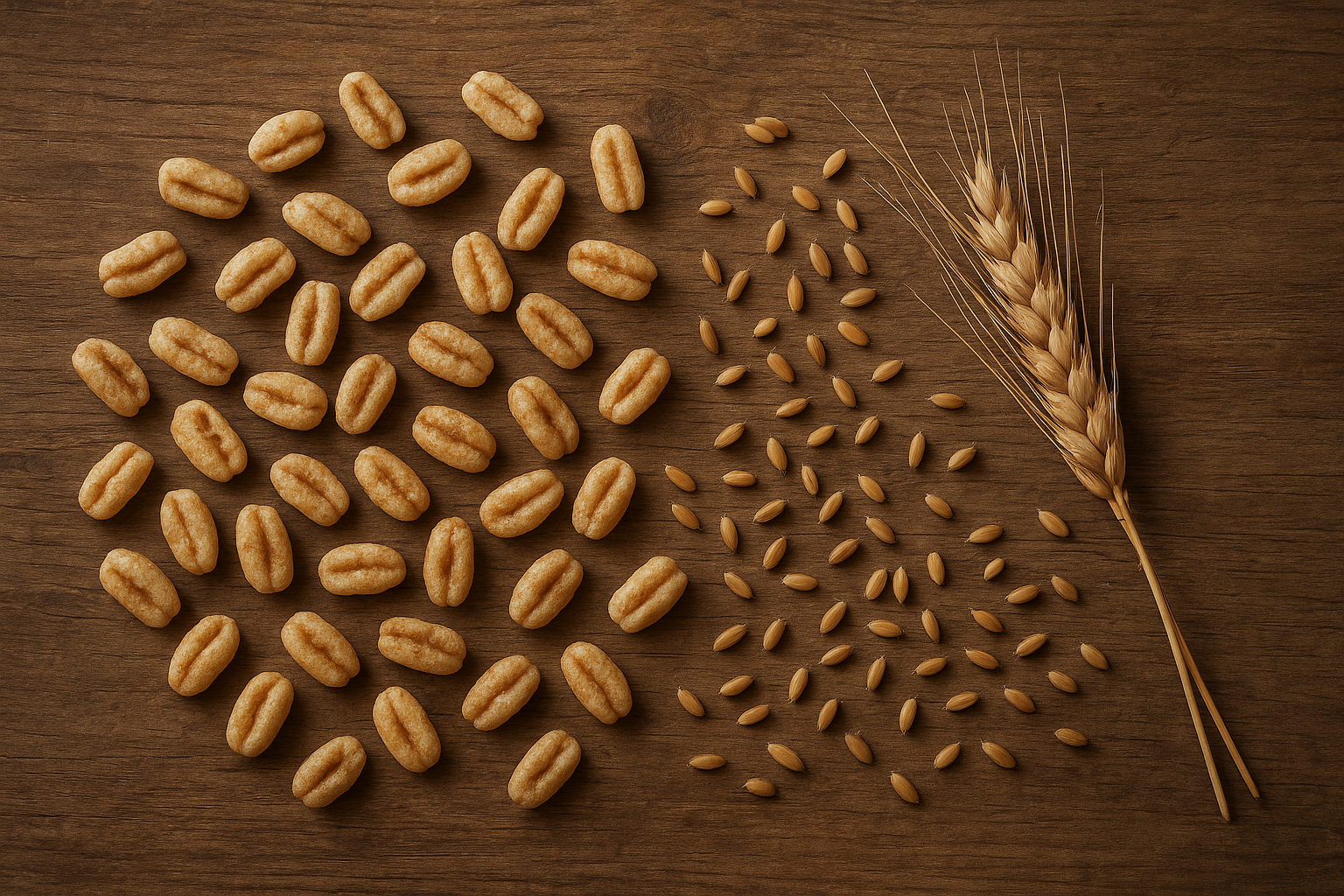
Gentle puffing keeps more of the grain's natural structure intact compared to heavily extruded cereal.
Frequently Asked Questions About Clean Ingredient Cereal
What is clean ingredient cereal?
Clean ingredient cereal is breakfast cereal made from a short list of recognizable ingredients, such as whole grains, honey, or fruit, instead of long strings of additives and synthetic preservatives. It typically avoids artificial colors, seed oils, and heavily refined sweeteners.
How is clean ingredient cereal different from ultra-processed cereal?
Ultra-processed cereal usually contains engineered starches, added flavors, and industrial additives that extend shelf life. Clean ingredient cereal relies on grains that are gently puffed or lightly sweetened instead of chemically reformulated.
Why does ingredient processing matter for kids' cereal?
Children often eat cereal daily, so the cumulative effect of added sugar and processing byproducts matters more over time. Choosing minimally processed options can reduce a child's exposure to unnecessary additives.
What ingredients should I avoid in cereal?
Common ingredients to avoid include seed oils, artificial colors, high-fructose corn syrup, and preservatives like BHT. A clean ingredient cereal label should read like a short recipe, not a chemistry list.
How can I tell if a cereal is minimally processed?
Check whether whole or ancient grains appear first on the ingredient list and look for gentle puffing rather than heavy extrusion. Third-party verifications, such as Non-UPF Verified, also help confirm minimal processing.
Is clean ingredient cereal more expensive than regular cereal?
Clean ingredient cereal often costs somewhat more than conventional boxed cereal because organic grains and simpler formulations cost more to source. However, the price gap has narrowed as demand for cleaner options grows.
How long does it take for kids to adjust to a healthier cereal?
Most children adjust within one to two weeks when a new cereal still tastes familiar and sweet enough. Cereals built on honey or monk fruit tend to ease the transition faster than unsweetened alternatives.
What is the difference between puffed and extruded cereal?
Puffing uses heat and pressure to expand a whole grain kernel while keeping much of its natural structure intact. Extrusion, by contrast, grinds grains into a slurry and forces it through machinery to form engineered shapes.
What is Khorasan wheat and why is it used in ancient grain cereal?
Khorasan wheat is an ancient wheat variety, often sold under the trademark Kamut, prized for its nutty flavor and fiber content. It is used in ancient grain cereal because it offers a hearty texture without relying on modern hybridized wheat.
What common mistakes do shoppers make when reading cereal labels?
A common mistake is trusting front-of-box claims like "natural" without checking the actual ingredient list. Another is assuming low fat automatically means low sugar or minimally processed.
Is organic cereal automatically low in sugar?
No, organic certification only confirms farming and processing standards, not sugar content. A cereal can be organic and still contain high amounts of added cane sugar, so checking the nutrition panel is still necessary.
What does Non-UPF Verified mean on a cereal box?
Non-UPF Verified is a third-party certification, issued through WISEcode, confirming a product does not meet the criteria of an ultra-processed food. It gives shoppers an independent way to confirm minimal processing claims.
How much sugar should a healthy kids' cereal contain?
Many pediatric nutrition guidelines suggest keeping added sugar in a cereal serving under 6 grams. Clean ingredient cereal sweetened with small amounts of honey or monk fruit can often land well below typical children's cereal averages.
Are seed oils bad for you?
Seed oils are not inherently dangerous, but many nutrition-focused brands avoid them because they are heavily refined and common in ultra-processed formulations. Clean ingredient cereal generally skips seed oils in favor of simpler ingredients or none at all.
Can clean ingredient cereal still taste good?
Yes, clean ingredient cereal can taste as satisfying as traditional cereal when it uses natural sweeteners like honey and familiar flavors like cinnamon or chocolate. For more on flavor-forward, lower-sugar options, the honey-sweetened cereal guide offers additional detail.
Where can I buy clean ingredient cereal?
Clean ingredient cereal brands like Good Grains are available directly through their own websites and increasingly in grocery stores focused on organic foods. For a broader comparison of brands worth considering, see this guide on how to pick the right healthy grains brand.
The Bottom Line on Clean Ingredient Cereal
Ultimately, clean ingredient cereal proves that healthier breakfast does not have to mean sacrificing taste or nostalgia. Instead, it means choosing organic, minimally processed grains, simple sweeteners, and third-party verification over long additive lists and trend-driven formulations. Whether a family is comparing sugar content, checking for seed oils, or looking for certified glyphosate residue free grains, the same core habit applies: read the ingredient list first, and let the marketing claims come second. Brands built specifically around this idea, including Good Grains, show that a bowl of cereal can still feel familiar while genuinely fitting a cleaner, more organic pantry.
0 comments