


Glyphosate free cereal has moved from a niche label to one of the most searched breakfast terms among parents who want proof, not promises, about what lands in the bowl. However, "glyphosate free" is often used loosely, and not every box carrying the phrase has actually been tested for it. In particular, the difference between a cereal that simply avoids glyphosate during farming and one that has been laboratory-verified to contain none is enormous — and it is the difference this guide is built to explain. Below, you will find exactly what glyphosate free cereal means, why the herbicide ends up in grain in the first place, what independent science says about it, and how Good Grains built its entire product line around organic sourcing and third-party residue testing rather than a catchy label alone.
Quick answer: Glyphosate free cereal is cereal made from grains that have been independently laboratory-tested and verified to contain no detectable glyphosate residue — not simply cereal that avoids the chemical during growing. Brands like Good Grains reach this standard through organic sourcing, tightly controlled supply chains, and third-party residue testing on the finished product, rather than relying on vague marketing words like "natural."
What Is Glyphosate Free Cereal, Really?
Glyphosate free cereal is a breakfast product made from grains verified to be free of measurable glyphosate residue — the world's most widely used herbicide, according to background on the chemical from Wikipedia. In particular, this differs from simply being "organic," because organic certification limits how a farmer can apply pesticides, but it does not guarantee zero residue, especially when crops sit near conventionally farmed fields or pass through shared processing equipment.
As a result, a genuine glyphosate free cereal typically relies on both organic sourcing and independent laboratory testing, not one or the other. Good Grains, for example, is certified USDA Organic in addition to being tested Glyphosate Residue Free, meaning its Khorasan wheat and corn are checked rather than assumed clean. Consequently, shoppers get a verified claim instead of a vague one. Furthermore, this distinction matters because most parents are specifically searching for cereal without glyphosate residue, not cereal that is merely labeled organic and left untested.
Why Does Glyphosate End Up in Everyday Breakfast Cereal?
Glyphosate is commonly applied to conventional wheat and oat crops shortly before harvest to dry the plants faster, a practice known as pre-harvest desiccation (spraying a nearly ripe crop so it dries evenly and can be harvested sooner). In contrast, corn and rice are less frequently treated this way, though residue can still occur through soil, water runoff, or cross-contact during shared storage and milling equipment.
For example, a widely cited 2018 test by the Environmental Working Group found measurable glyphosate residue in 43 of 45 oat-based cereal and snack products, including many marketed toward children. This is one reason glyphosate has drawn attention as an ingredient concern rather than just a farming issue. Above all, the takeaway for shoppers is that conventional grain sourcing, not the finished cereal recipe, is usually where glyphosate enters the picture. Therefore, a cereal brand's sourcing standards and testing protocol matter just as much as its ingredient list when the goal is a genuinely glyphosate residue free cereal.
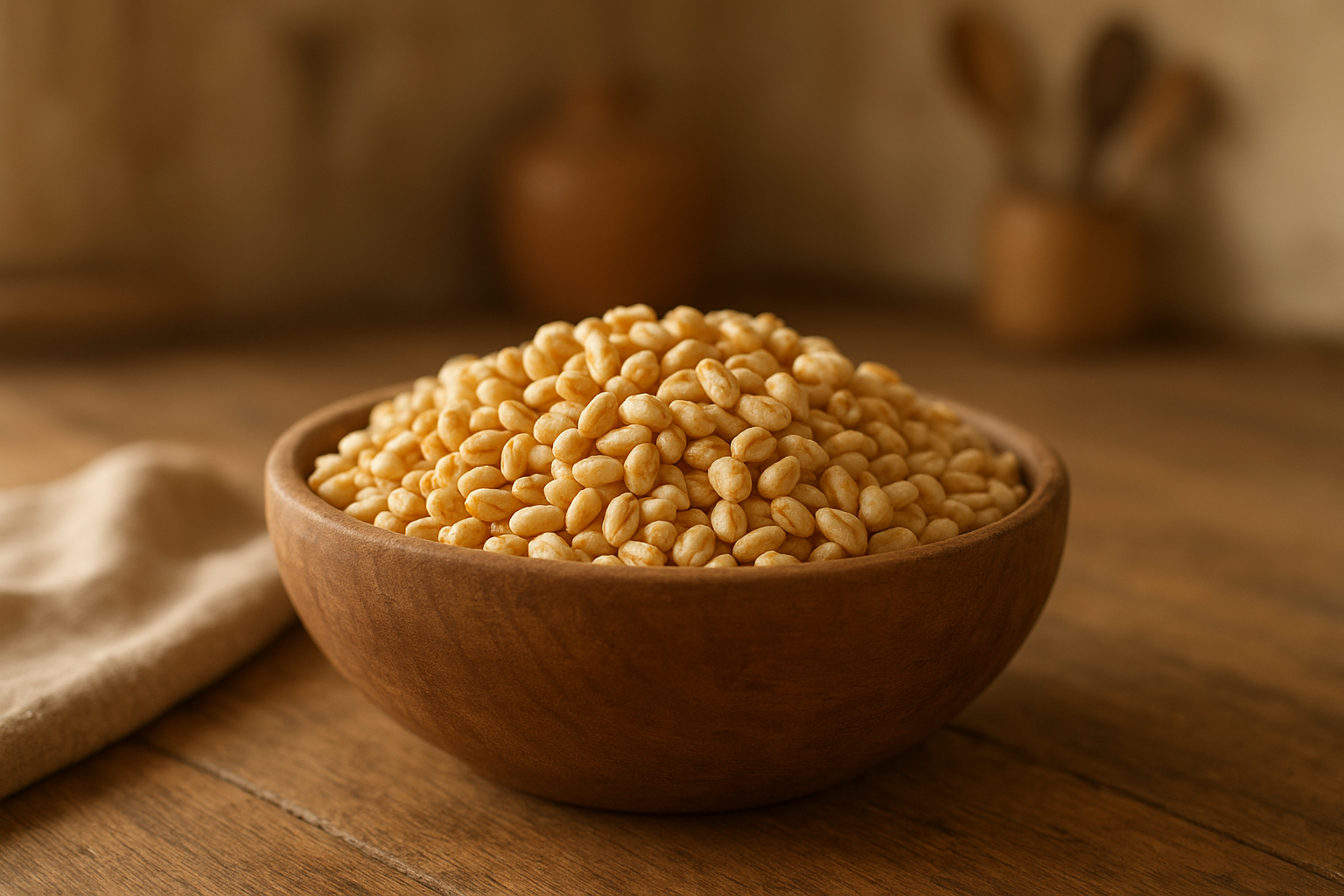
A bowl of glyphosate free cereal made from gently puffed organic grains.
Is Glyphosate Actually Harmful? What the Research Says
Understandably, many parents want to know whether glyphosate exposure from food is something to worry about, not just whether it is present. In short, the scientific and regulatory picture is mixed rather than settled, which is exactly why independent testing matters more than any single opinion.
What Regulators Say
The U.S. Environmental Protection Agency sets legal tolerance levels for how much glyphosate residue is allowed on and in food crops, and it currently maintains that glyphosate is unlikely to pose a cancer risk to humans when used according to label directions, a position outlined on the EPA's glyphosate ingredient page. In contrast, the International Agency for Research on Cancer, part of the World Health Organization, classified glyphosate as "probably carcinogenic to humans" in 2015, a conclusion the WHO has addressed directly in its own public Q&A on glyphosate and cancer.
Why This Disagreement Matters for Shoppers
Because regulatory bodies do not fully agree, many families prefer to reduce exposure where they reasonably can, especially in daily staples like breakfast cereal that children eat repeatedly. Consequently, choosing a verified glyphosate free cereal is less about resolving a scientific debate and more about giving a family the option to lower one specific, well-documented exposure source without changing anything else about how they eat.
Glyphosate Free vs. Organic vs. Non-GMO: Untangling the Labels
Shoppers frequently assume that "organic," "non-GMO," and "glyphosate free" all mean the same thing. In reality, each term addresses a different part of how a cereal is grown and made, so it helps to separate them clearly.
- Organic restricts which synthetic pesticides a farmer can apply and how, but it does not require finished-product residue testing, so trace glyphosate can still turn up from nearby fields or shared equipment.
- Non-GMO refers only to whether a crop's genetic material has been modified. Notably, a grain can be non-GMO and still be sprayed with glyphosate, since the two issues are unrelated.
- Glyphosate free (or glyphosate residue free) is the only claim that specifically addresses detectable herbicide residue in the finished food, and it should be backed by third-party lab testing rather than self-declared on the label.
Therefore, the strongest cereals combine all three: organic farming practices, non-GMO grain, and independently verified glyphosate residue free status. Relying on just one label leaves gaps that the others are specifically designed to close.
How Third-Party Testing Confirms a Truly Glyphosate Residue Free Cereal
Independent testing is the only reliable way to confirm a cereal is glyphosate residue free, since labels alone cannot verify what happened during farming and milling. Specifically, third-party organizations collect samples from finished products, not just raw ingredients, and test for detectable pesticide residue using laboratory methods sensitive enough to catch trace amounts.
Good Grains, for instance, became the first cereal brand to earn Non-UPF Verified certification through WISEcode, a milestone the brand detailed when it announced that Good Grains becomes the first-ever Non-UPF Verified cereal brand. In addition, its products are separately certified Glyphosate Residue Free, meaning the finished cereal — not just the growing practice — has been checked. Similarly, USDA Organic certification adds another layer of oversight around which inputs are allowed during farming. Together, these three signals — organic certification, glyphosate residue testing, and Non-UPF verification — give shoppers a far more complete picture than any single claim could offer on its own. If you want to see how this layered approach translates into an actual shopping decision, this breakdown of why Good Grains is considered a top organic, non-UPF breakfast pick walks through it in more detail.
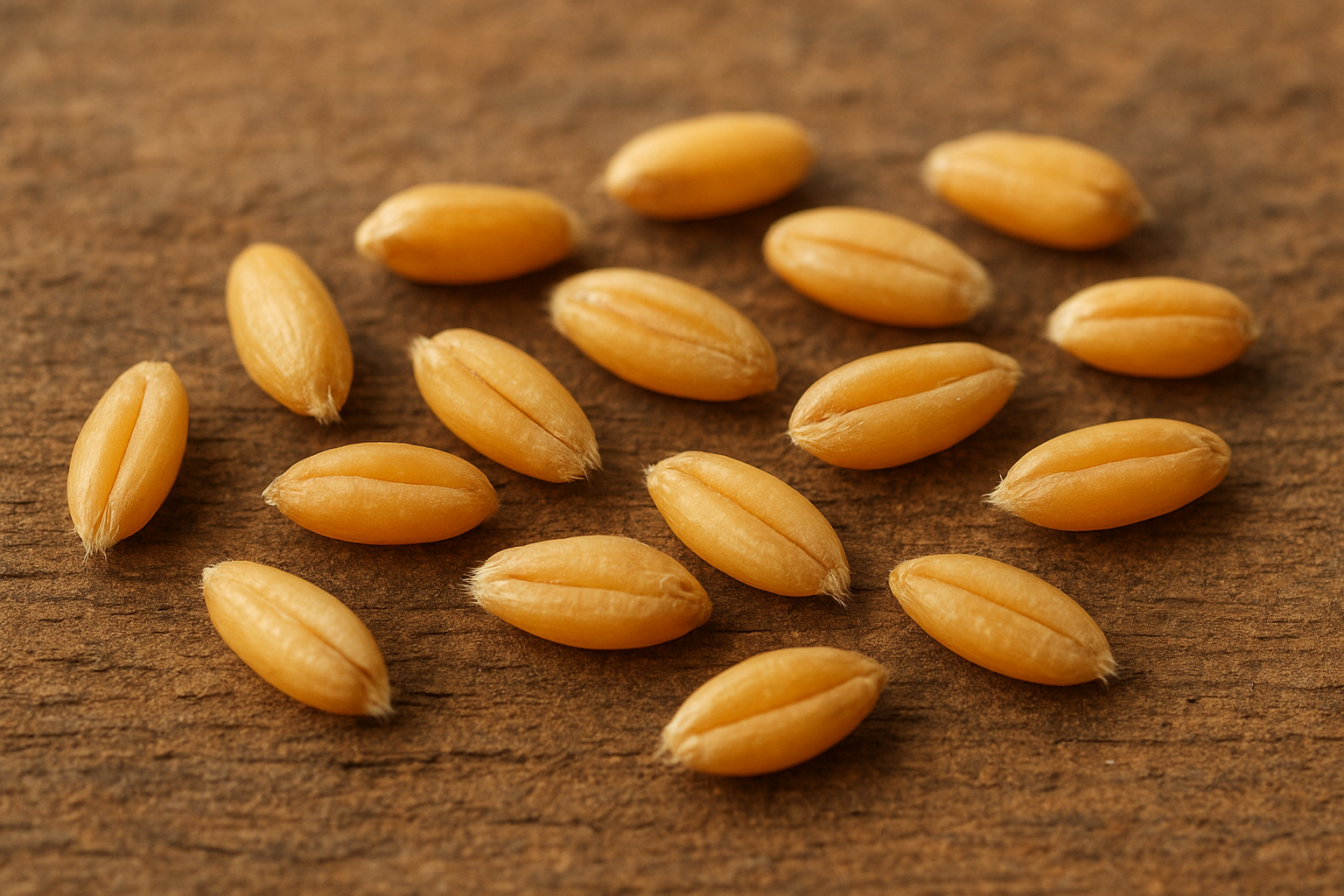
Organic Khorasan wheat is one of the ancient grains behind Good Grains' cereal lineup. For a deeper walkthrough, see our What's the Best Organic Cereal for Kids? A Complete Guide.
The Good Grains Approach to Pesticide-Free, Minimally Processed Cereal
Good Grains was built specifically to sit between two extremes in the cereal aisle. On one side, traditional cereals taste nostalgic but often rely on refined sugar, artificial flavors, and heavily extruded grains. On the other side, many newer "health" cereals sacrifice taste for trend-driven claims like grain-free formulas or extreme protein counts. For a deeper walkthrough, see our Good Grain Foods: What Makes Cereal Truly Healthy.
Instead, Good Grains uses a gentle puffing process that keeps more of the grain's natural structure intact rather than forcing it through high-heat extrusion (a manufacturing method that pushes grain dough through machinery under intense heat and pressure to create engineered shapes). As a result, the finished cereal still delivers a familiar crunch and cereal-like bite. Furthermore, the brand sources organic whole and ancient grains, including Khorasan wheat and organic corn, both verified glyphosate residue free. Sweetened varieties use real organic honey and organic monk fruit instead of refined cane sugar, which keeps sugar meaningfully lower than many traditional children's cereals while still tasting sweet enough for kids. You can explore the full lineup, including ingredient sourcing details, directly at Good Grains. In particular, shoppers who want to compare ingredient philosophy side by side often start there before deciding which flavor to try first.
How Good Grains Compares to Other Cereal Brands
Naturally, once a family finds one verified glyphosate residue free option, the next question is how it stacks up against everything else in the cereal aisle, including other brands that advertise "clean" or "simple" ingredients. In particular, the gap usually shows up in three places: sugar content, the length of the ingredient list, and whether any claim is actually backed by third-party testing rather than marketing language.
For a full side-by-side breakdown, this detailed look at how Good Grains compares to regular cereal brands walks through ingredient sourcing, sugar levels, and certification differences line by line. In short, most conventional cereals rely on refined grain flours, added sugars, and long preservative lists, while Good Grains keeps ingredient counts short and grounds every claim in organic certification and independent glyphosate residue testing.
How to Choose a Truly Glyphosate-Free Breakfast Cereal
Choosing a genuinely glyphosate-free breakfast cereal takes a bit more scrutiny than reading the front of the box. The following steps make the process straightforward, even for a quick trip down the cereal aisle.
- Check for third-party residue certification. Look for a specific glyphosate residue free or similar verification mark rather than trusting the word "natural," which carries no regulated meaning on cereal packaging.
- Confirm USDA Organic status. Organic certification limits synthetic pesticide use during farming and adds an extra layer of independent oversight beyond a brand's own marketing claims.
- Read the full ingredient list. Whole and ancient grains should appear near the top, with no unnecessary fillers, preservatives, or artificial flavors listed further down the label.
- Look into the processing method. Gently puffed grains retain more of their natural structure than heavily extruded shapes, which usually signals a less engineered, less processed finished product.
- Compare the sweetener and sugar content. Cereals using real honey or monk fruit in place of refined cane sugar typically deliver a meaningfully lower sugar count per serving without sacrificing flavor.
Good Grains Products Without Glyphosate Residue
Good Grains currently offers several varieties built around the same glyphosate residue free standard. For example, Organic Corn Puffs use only organic corn, water, and salt, keeping the ingredient list about as short as cereal gets. Similarly, Khorasan Cinnamon cereal pairs ancient Khorasan wheat with cinnamon and a touch of organic honey, delivering a nostalgic flavor without refined sugar or artificial coloring.
In addition, Organic Honey Puffs and Organic Chocolate cereal follow the same sourcing and testing standards, simply with different flavor profiles for varying tastes. Consequently, families do not have to settle on one "safe" flavor and stick with it forever. As the brand has grown, its cereals have also become easier to find in stores; Good Grains recently expanded its retail footprint with the Sprouts Farmers Market launch, making glyphosate residue free cereal available beyond direct online ordering. This expansion reflects a broader shift as more families actively search for pesticide-free, minimally processed breakfast options instead of settling for whatever happens to sit on the shelf.
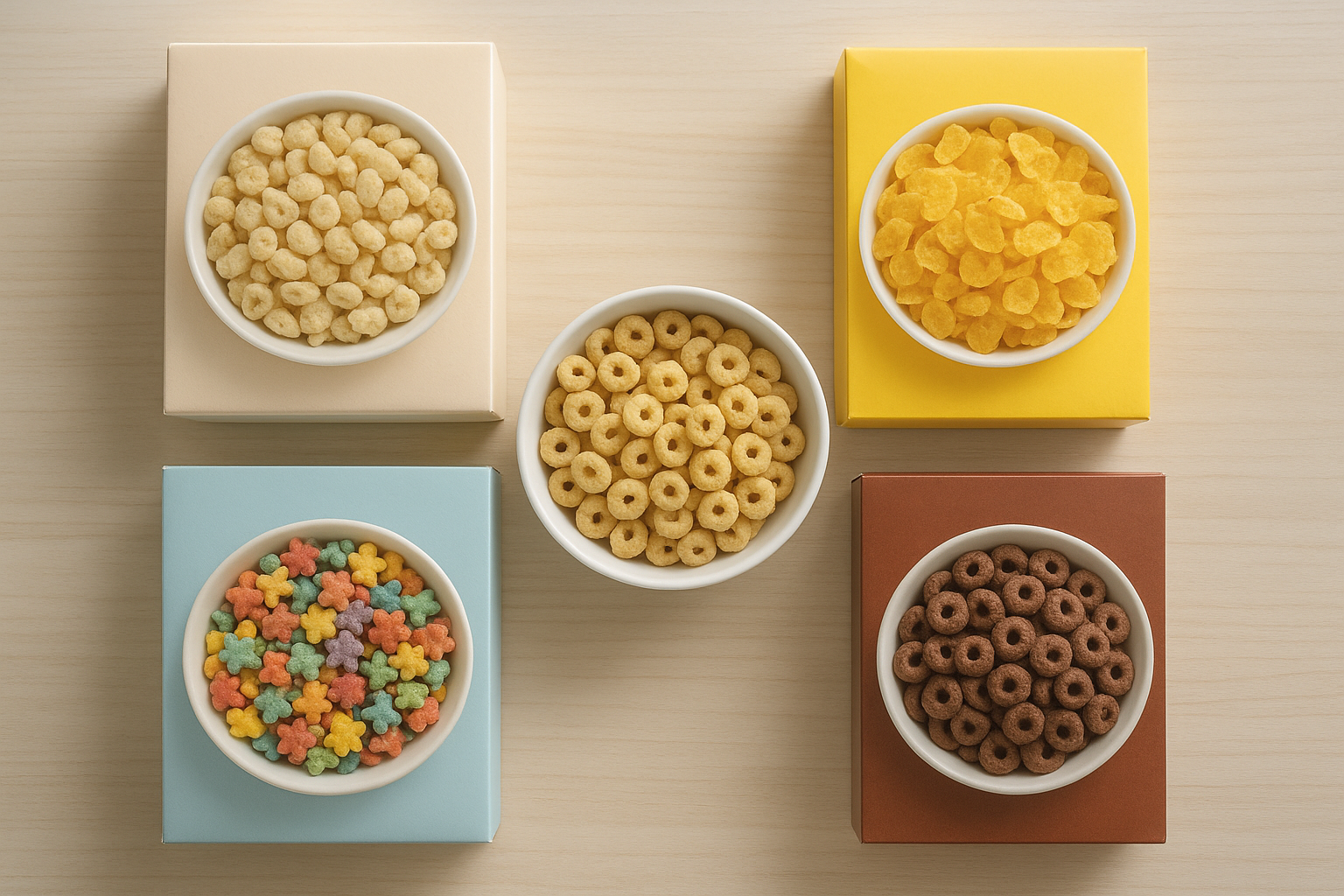
Several organic, glyphosate free cereal varieties styled together on a kitchen counter.
Frequently Asked Questions About Glyphosate Free Cereal
What is glyphosate free cereal?
Glyphosate free cereal is cereal made from grains that have been independently tested and verified to contain no detectable glyphosate residue, rather than cereal that simply avoids the chemical during growing. This distinction matters because organic status alone does not guarantee zero residue.
How is glyphosate residue tested in breakfast cereal?
Third-party laboratories test finished cereal samples, not just raw grain, using detection methods sensitive enough to identify trace pesticide residue. This confirms whether the finished product, not just the farming practice, is actually free of glyphosate.
Why does glyphosate show up in conventional cereal in the first place?
Glyphosate is often sprayed on wheat and oats shortly before harvest to dry the plants faster, a process called pre-harvest desiccation. Residue can also enter grain through soil, water runoff, or cross-contact during storage and milling.
Is glyphosate free cereal automatically the same as organic cereal?
Not necessarily. Organic certification restricts synthetic pesticide use during farming, but it does not always include third-party residue testing on the finished cereal, so a truly glyphosate free cereal typically combines both organic sourcing and independent testing.
Does glyphosate free cereal cost more than regular cereal?
Glyphosate free and organic cereals are often priced higher than conventional cereal because of stricter sourcing, testing, and certification costs. Many families consider the added verification worthwhile for daily breakfast staples. For a deeper walkthrough, see our What's the Best Low-Sugar Cereal for Families? A Complete Guide.
Is Good Grains cereal glyphosate free?
Yes, Good Grains cereals are certified Glyphosate Residue Free in addition to being USDA Organic and Non-UPF Verified. This means the finished cereal has been independently tested rather than simply assumed clean. For a deeper walkthrough, see our Theme Changelog.
Can ancient grains like Khorasan wheat still contain glyphosate?
Ancient grains can still be exposed to glyphosate if grown conventionally or near treated fields, so the grain type alone is not a guarantee. Verified sourcing and residue testing are what actually confirm a glyphosate free result.
What common mistakes do shoppers make when searching for glyphosate free cereal?
A common mistake is assuming words like "natural" or "non-GMO" automatically mean glyphosate free, when neither term is regulated for pesticide residue. Shoppers should look specifically for third-party residue certification instead.
What other ingredients should I watch for besides glyphosate?
Beyond glyphosate, it helps to check for seed oils, refined cane sugar, artificial flavors, artificial colors, and preservatives on the ingredient list. Cereals built around whole and ancient grains typically avoid most of these additives.
Is glyphosate free cereal safe for kids and toddlers?
Glyphosate free cereal is generally considered a suitable, lower-residue option for kids since it removes one common source of pesticide exposure from breakfast. Parents should still review sugar content and portion size based on age.
What certifications should I look for on a glyphosate free cereal label?
Look for USDA Organic certification, a specific glyphosate residue free claim from an independent tester, and, where available, Non-UPF verification. Together, these three signals confirm both farming practices and finished-product testing.
How does puffed cereal differ from extruded cereal when it comes to processing?
Puffed cereal uses heat and pressure to expand a grain while keeping more of its natural shape and structure intact. Extruded cereal, in contrast, forces grain dough through machinery under high heat to create engineered shapes, which involves more intensive processing.
Does glyphosate cause cancer?
The evidence is genuinely mixed. The World Health Organization's cancer research arm classified glyphosate as "probably carcinogenic to humans" in 2015, while the EPA maintains it is unlikely to be a human carcinogen at approved use levels. Because regulators disagree, many families choose verified glyphosate free cereal simply to reduce one source of exposure.
Is there a legal limit for how much glyphosate can be in cereal?
Yes. The EPA sets maximum residue tolerances for glyphosate on specific crops like wheat, oats, and corn. However, meeting the legal limit is not the same as containing zero residue, which is why glyphosate residue free testing looks for non-detectable levels rather than simply legal ones.
Is oat-based cereal more likely to contain glyphosate residue than corn-based cereal?
Generally, yes. Oats and wheat are more frequently treated with glyphosate for pre-harvest desiccation, while corn is less commonly sprayed this way. Even so, corn-based cereal is not automatically glyphosate free unless it has actually been tested and verified.
What's the difference between "glyphosate free" and "glyphosate residue free" on a label?
In practice, "glyphosate residue free" is the more precise and verifiable term, since it specifically references laboratory testing on the finished product. "Glyphosate free" is sometimes used more loosely as marketing shorthand, so shoppers should look for an actual certification mark behind either phrase.
Final Thoughts on Choosing Glyphosate Free Cereal
Ultimately, glyphosate free cereal is not just a marketing phrase; it represents a specific, testable standard that separates verified products from vague "healthy" claims. As shown throughout this guide, the safest choice combines organic sourcing, independent residue testing, and a shorter, more recognizable ingredient list. In addition, gentler processing methods like puffing, rather than heavy extrusion, help preserve the grain's natural character without sacrificing the nostalgic taste families expect from cereal.
Therefore, whether a family is trying Good Grains' Organic Corn Puffs, Khorasan Cinnamon, or another variety, looking for the combination of USDA Organic, Non-UPF Verified, and glyphosate residue free certification remains the most reliable way to shop with confidence. In particular, that verified approach is exactly what allows a bowl of glyphosate free cereal to feel both nostalgic and genuinely better for the whole family — and it is why more parents are choosing it over guesswork every single morning.
0 comments