


A grain brand is a company that builds its entire product line around sourcing, processing, and selling foods made primarily from whole or ancient grains, and the grain brand you choose can shape everything from your family's daily sugar intake to how heavily processed your morning routine really is. In today's crowded breakfast aisle, that choice matters far more than most shoppers realize. Ingredient sourcing, processing method, product format, and certifications vary dramatically from one grain brand to the next. This guide breaks down exactly what separates a trustworthy grain brand from a marketing-driven one, and where a brand like Good Grains fits into that picture.
Direct answer: A grain brand is a company built specifically around whole or ancient grains rather than heavily engineered fillers. The most trustworthy grain brands use minimal processing, verified third-party certifications, transparent sugar sourcing, and recognizable ingredients so families get real nutrition, whether the format is a bowl of cereal or a grab-and-go bar, without sacrificing familiar taste.
What Is a Grain Brand?
A grain brand is any company that builds its core product line around grains, often cereal, granola, breakfast bars, or grain-based snacks, rather than treating grains as one ingredient among many highly processed additives. Consequently, these brands tend to make bold claims about sourcing, farming practices, and processing methods.
However, not every company that calls itself a grain brand actually delivers on that promise. Some rely on refined, hybridized wheat, corn syrup fillings, and heavy extrusion, while others, like Good Grains, use organic whole and ancient grains with gentler processing. As a result, the label alone never guarantees quality; the ingredients and methods behind it always do.
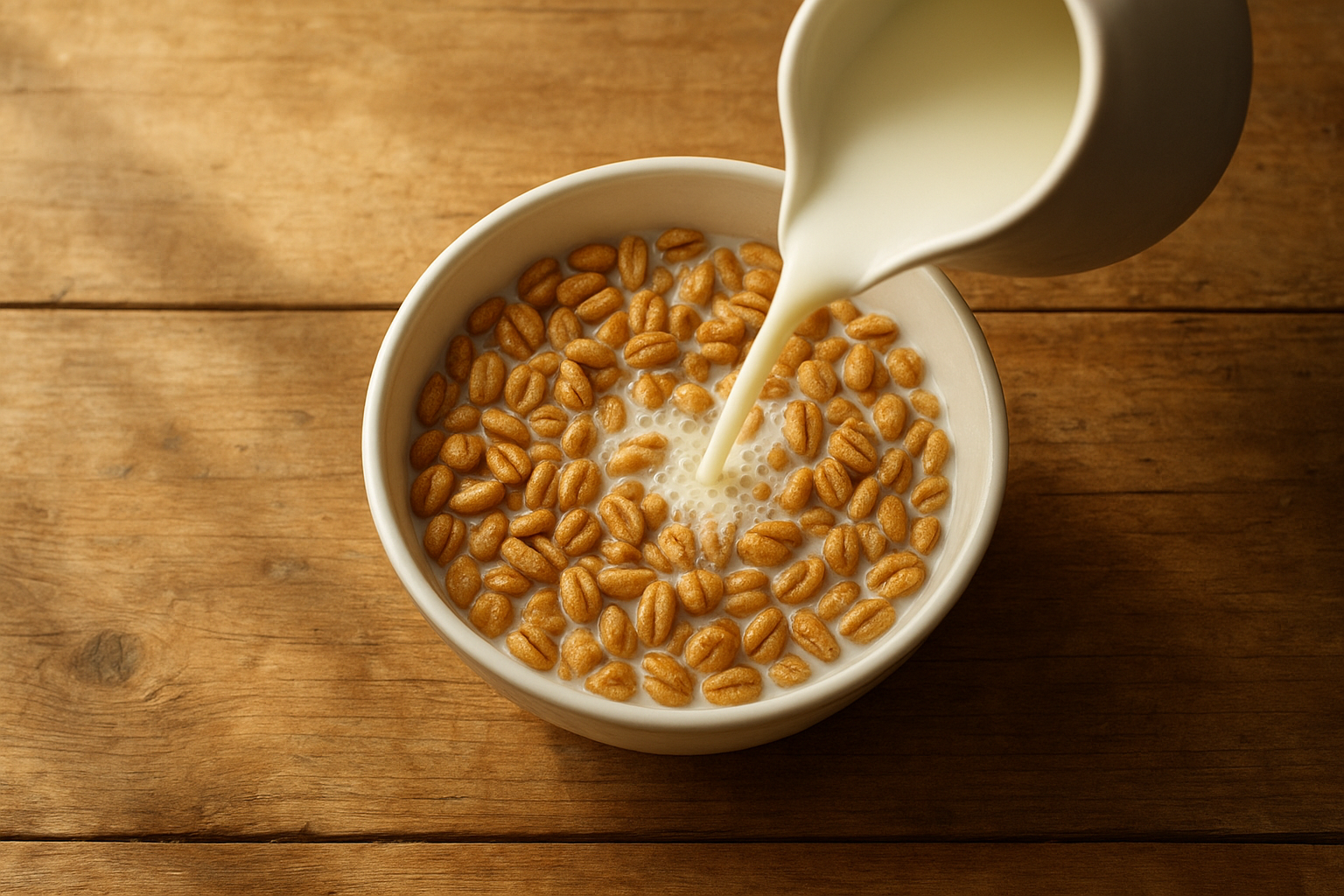
A well-made grain brand keeps the cereal experience familiar while using organic, minimally processed grains. For a deeper walkthrough, see our Rewards & Referrals.
Why Your Grain Brand Choice Shapes Every Bowl
The breakfast aisle looks like a wall of nearly identical boxes, yet the nutritional gap between products can be enormous. For example, some traditional children's cereals and fruit-filled bars contain 10 to 12 grams of added sugar per serving, while others rely on modest amounts of honey or monk fruit instead.
In particular, research on ultra-processed foods suggests they now make up a majority of calories in many Western diets, which is part of why independent verification, not just packaging language, matters when comparing a grain brand against its competitors. Therefore, understanding what sits behind the label helps families make a more informed choice at the shelf, whether they are shopping for cereal, bars, or granola.
Cereal, Bars, or Granola: How Grain Brand Product Lines Compare
Not every grain brand sells the same format. Some focus entirely on portable, fruit-filled breakfast bars marketed for busy mornings, while others, like Good Grains, focus on a bowl-and-milk cereal experience built from whole and ancient grains. Neither format is automatically better, but the trade-offs differ significantly.
Specifically, portable bars often need binders, syrups, and preservatives to hold their shape and survive a backpack or glovebox. Cereal, in contrast, does not need these engineering tricks, which is one reason a well-made cereal-based grain brand can keep a shorter, more recognizable ingredient list. The table below compares the two formats side by side.
| Format | Typical Processing | Common Sugar Source | Ingredient Transparency |
|---|---|---|---|
| Whole grain cereal | Gently puffed | Honey, monk fruit | Short, recognizable list |
| Fruit-filled breakfast bars | Baked pastry with extruded filling | Corn syrup, refined sugar | Long list, multiple sugar types |
| Granola or snack bars | Baked and pressed | Varies widely by brand | Varies by brand |
Are Fruit-Filled Grain Brand Bars Actually Healthy?
Fruit-filled bars often lead with "made with real fruit" messaging, yet the filling is frequently a small percentage of the total bar, blended with corn syrup and sugar to achieve the right texture. As a result, a bar can technically contain real fruit while still delivering most of its sweetness from refined sugar. For a closer look at how a cereal-first grain brand stacks up against a classic puffed-wheat option, see this comparison of Good Grains cereal versus regular puffed wheat cereal.
Puffed vs. Extruded: How Grain Brands Process Cereal Differently
Processing method is one of the biggest differences between grain brands, even when two boxes look similar on a shelf. Extrusion forces a wet grain dough through machinery under high heat and pressure, creating engineered shapes but stripping away much of the grain's original structure in the process.
Puffing, in contrast, heats whole grain kernels until they expand naturally, similar to how popcorn pops. As a result, puffed cereal retains more of the grain's character, texture, and nutritional integrity. Good Grains uses this gentler puffing approach across its organic Khorasan wheat and corn cereals rather than heavily engineered extrusion. For a deeper walkthrough, see our Are Good Grains Cereals Worth the Price?.
What to Look for in a Trustworthy Grain Brand
A trustworthy grain brand rarely relies on a single marketing buzzword. Instead, it stacks multiple independent signals that together tell a more complete story about quality and processing than any front-of-box claim ever could. For a deeper walkthrough, see our The Healthiest Grain Puffs on the Market: A Complete Buying Guide.
Certifications That Separate Serious Whole Grain Brands From the Rest
Specifically, look for USDA Organic certification, glyphosate residue testing, and, where available, Non-UPF Verified status. Good Grains, for instance, became the first cereal to earn Non-UPF Verified certification through WISEcode, in addition to being certified Glyphosate Residue Free and USDA Organic. Above all, these third-party checks matter more than front-of-box language alone.
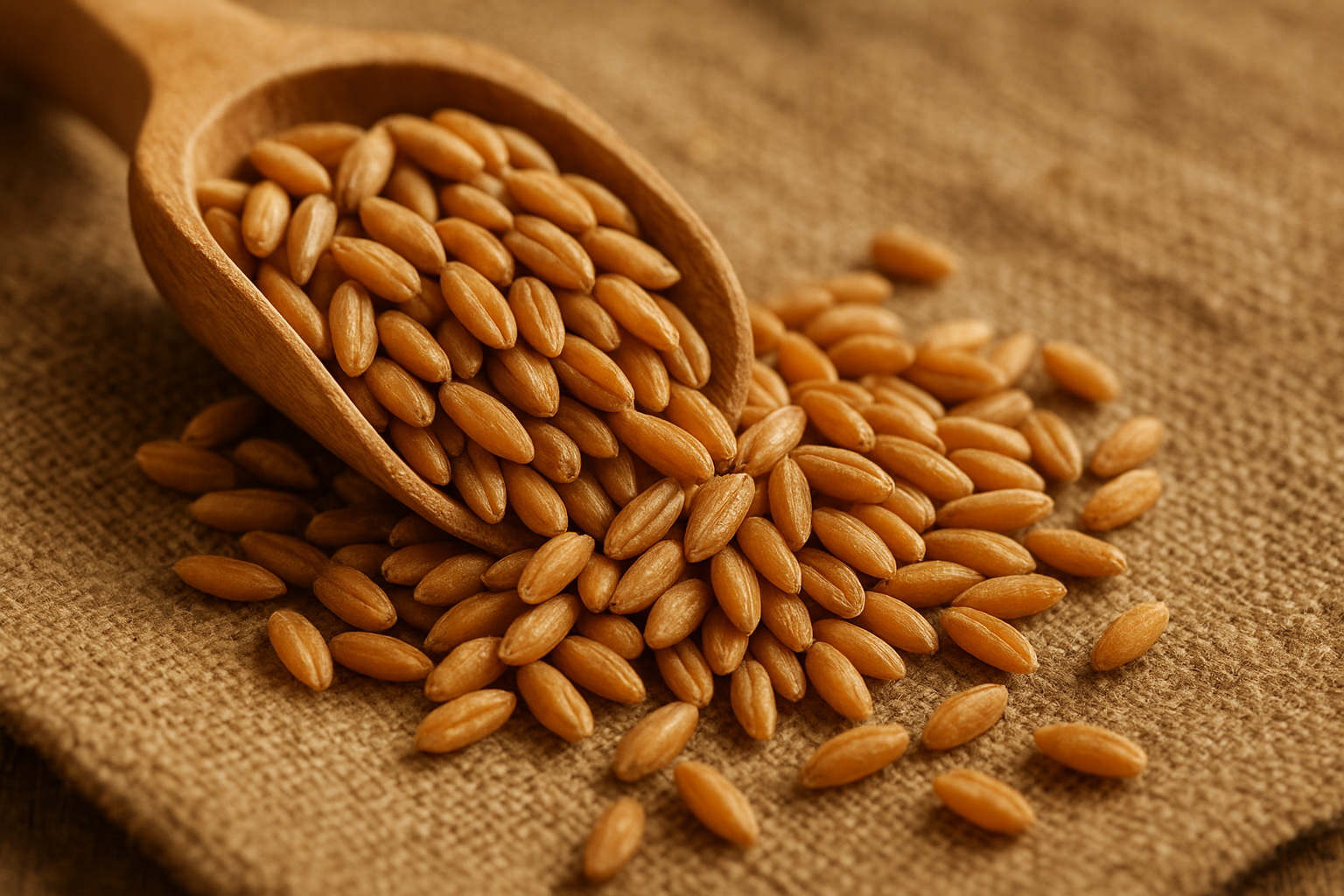
Ancient grains like Khorasan wheat are central to how many minimally processed cereal lines are built. For a deeper walkthrough, see our Healthy Grains Brand: How to Pick the Right Cereal.
How Good Grains Approaches the Grain Brand Category Differently
Many newer "healthy" cereals and bars lean into trends like keto, extreme protein counts, or grain-free formulations. Good Grains takes a different position within the grain brand category by keeping the format families already know, real cereal, while removing seed oils, refined cane sugar, preservatives, and artificial flavors or colors.
Sweetened varieties use organic honey along with monk fruit to keep sugar meaningfully lower than many traditional children's cereals and bars, while some options also provide especially high fiber from whole and ancient grains. You can explore the full lineup, including Organic Honey Puffs and Organic Cinnamon cereal, directly at goodgrains.com, or learn more about the sourcing behind Khorasan wheat on the brand's Khorasan grain page. For a broader breakdown of how to shop the category, this guide on how to pick the best cereal is a useful next read.
The Hidden Sugar Problem in Many Grain Brand Snacks
Sugar hides in places shoppers rarely check. In particular, many grab-and-go bars list two or three different sweeteners, such as corn syrup, cane sugar, and fruit juice concentrate, which together push the total sugar count well above what a single "sugar" line on the label suggests.
According to guidance from the American Heart Association, children should generally consume no more than 25 grams of added sugar per day, and a single breakfast bar or bowl of sweetened cereal can quietly consume a large share of that allowance. Consequently, checking the "added sugars" line on the nutrition panel, rather than trusting fruit imagery on the box, gives a far more honest picture.
How to Evaluate a Grain Brand Before You Buy
Rather than relying on gut feeling in the breakfast aisle, it helps to follow a consistent process. Below is a simple, repeatable method for evaluating any grain brand before it lands in your cart.
- Read the ingredient list first. Prioritize brands where whole or ancient grains appear at the very top rather than buried behind fillers and syrups.
- Verify third-party certifications. Confirm claims like organic status or glyphosate testing through an independent body, not just packaging text.
- Compare sugar sources and amounts. Identify whether sweetness comes from refined sugar and corn syrup or gentler sources like honey and monk fruit.
- Understand the processing method. Determine whether the product is gently puffed or heavily extruded into engineered shapes and fillings.
- Match the format to your household's routine. Decide whether a bowl-based cereal or a portable bar realistically fits your family's weekday mornings. For a deeper walkthrough, see our Healthy Family Cereal Guide: What to Look for in 2025.
- Taste-test with your family. Serve it beside a familiar favorite to confirm it earns a permanent spot in the pantry.
Why Ancient Grains Like Khorasan Wheat Matter
Ancient grains, such as Khorasan wheat, are generally less hybridized than modern refined wheat varieties. According to the Whole Grains Council and related research, whole grain kernels retain the bran, germ, and endosperm, which together provide more fiber, protein, and micronutrients than refined grain alternatives. For a deeper walkthrough, see our Khorasan Wheat Puffs: The Ancient Grain Cereal Guide.
Meanwhile, organic certification standards set by the U.S. Department of Agriculture require that grains be grown without synthetic pesticides or genetically modified inputs. In particular, this combination of ancient variety and organic farming is part of why some grain brands market their sourcing so heavily, though the details still deserve a closer look before you trust the claim.

Families increasingly look for a grain brand that feels familiar while fitting real-world mornings.
Common Mistakes People Make When Choosing a Cereal Brand
One frequent mistake is assuming that any product labeled "natural" is automatically low in sugar or minimally processed, which is not always accurate. Similarly, some shoppers assume grain-free options are inherently healthier, when in reality many rely on heavily engineered ingredients to replace the grain structure.
Another common error is skipping the nutrition label entirely and trusting front-of-box claims, including "made with real fruit" language on bars. According to the FDA's ingredient labeling guidance, ingredients are always listed by descending weight, so comparing fiber, sugar, and ingredient order across a few boxes side by side, and checking retailers like the Good Grains store locator, gives a clearer picture before committing to a new grain brand.
Frequently Asked Questions About Grain Brand Selection
What is a grain brand?
A grain brand is a company that builds its entire product line around whole or ancient grains, such as cereal, granola, bars, or grain-based snacks, rather than using grains as a minor filler ingredient. These brands typically focus on sourcing, processing method, and ingredient transparency.
How do I know if a grain brand is trustworthy?
A trustworthy grain brand backs its claims with third-party certifications, such as USDA Organic, glyphosate residue testing, or Non-UPF Verified status. Checking the ingredient list for recognizable, whole-food ingredients is another reliable signal.
Why do some cereal brands use seed oils while others don't?
Seed oils are often used because they are inexpensive and extend shelf life, not because they improve nutrition or flavor. Brands avoiding seed oils typically prioritize simpler formulations even if it costs more to produce. For a deeper walkthrough, see our What's the Healthiest Puffed Wheat Cereal Without Seed Oils?.
What is the difference between puffed and extruded cereal?
Puffed cereal is made by heating whole grain kernels under pressure until they expand naturally, preserving more of the grain's structure. Extruded cereal forces a wet grain dough through machinery to create engineered shapes, which usually involves more processing.
Is a minimally processed grain brand more expensive than traditional cereal?
Minimally processed grain brands often cost more per box because organic sourcing and gentler processing raise production costs. Many families consider the trade-off worthwhile given the lower sugar and cleaner ingredient list.
How long does it take to notice a difference when switching cereal brands?
Some people notice less of a sugar crash or better fullness within days of switching to a higher-fiber, lower-sugar cereal. Longer-term benefits, such as steadier energy, usually build over several weeks.
What mistakes do people make when picking a healthier cereal brand?
A common mistake is assuming that any cereal labeled "natural" or "organic" is automatically low in sugar or minimally processed. Shoppers should read the full ingredient list instead of trusting front-of-box marketing.
What certifications should a grain brand have?
Look for USDA Organic certification, glyphosate residue testing, and, when available, Non-UPF Verified status. Together, these certifications provide independent evidence rather than relying on brand claims alone.
Is ancient grain cereal healthier than regular wheat cereal?
Ancient grains like Khorasan wheat are often less hybridized and can offer more fiber and protein per serving than some modern refined wheat products. However, healthiness still depends on processing method and added ingredients.
Can kids taste the difference between a minimally processed grain brand and a traditional cereal?
Many kids cannot easily distinguish a well-made minimally processed cereal from a traditional favorite, especially with flavors like honey or cinnamon. The goal is usually to match nostalgic taste while lowering sugar and processing.
What does Non-UPF Verified mean?
Non-UPF Verified is a third-party certification confirming a food product does not meet common markers of ultra-processed food, based on ingredient and formulation review. It gives shoppers an independent way to evaluate processing claims.
Are all organic cereals automatically low in sugar?
No, organic certification only confirms farming and ingredient standards, not sugar content. A cereal can be fully organic and still contain high amounts of added sugar, so checking the nutrition label separately matters. For a deeper walkthrough, see our Organic Corn Puff Cereal: A Cleaner Breakfast Choice.
How much fiber should a healthy cereal contain?
Nutrition experts generally recommend cereals with at least 3 grams of fiber per serving, with higher amounts offering additional digestive benefits. Whole and ancient grain cereals often provide more fiber than refined-grain alternatives.
Are fruit-filled breakfast bars a healthy grain brand choice?
Fruit-filled bars can fit an occasional busy morning, but many rely on corn syrup and refined sugar to bind the filling, which pushes total sugar higher than the fruit imagery suggests. Comparing the added sugar line against a cereal option is the most reliable way to judge.
What does "made with real fruit" actually mean on a bar label?
The phrase confirms that some real fruit is present, but it does not state the amount, and fruit is often blended with concentrate, syrup, or added sugar to build the filling. Reading the ingredient list is the only way to see the true proportion.
Is cereal a better grain brand format than bars for kids?
Cereal is not automatically superior, but it generally requires fewer binders and preservatives than a portable bar, which often means a shorter ingredient list. For families that can eat at the table, a minimally processed cereal is usually the simpler option.
Final Thoughts on Choosing a Grain Brand
Ultimately, choosing the right grain brand comes down to looking past the front of the box, and past the format on the shelf. Certifications, processing method, and ingredient order tell a far more accurate story than marketing language alone. Whole and ancient grains, minimal processing, and verified claims separate a genuinely better grain brand from one that simply looks healthier on the shelf.
Good Grains was built with exactly that gap in mind: a grain brand that keeps the nostalgic taste families love while using organic, minimally processed whole and ancient grains, real honey, and independently verified standards. To see the full lineup or learn more about the sourcing behind it, visit goodgrains.com and explore the brand's story firsthand.
0 comments