


Non UPF cereal is a term parents and health-conscious shoppers are using more often as they search for breakfast options that taste familiar but skip the heavy industrial processing found in many boxed cereals. In particular, the phrase refers to cereal that falls outside the "ultra-processed food" category defined by nutrition scientists, meaning it relies on recognizable grains and ingredients rather than engineered additives. As a result, non UPF cereal has become useful shorthand for a growing segment of the cereal aisle that prioritizes whole grains, simple formulations, and independent verification over marketing claims alone. This guide explains what the term means, how verification works, and what to look for when choosing a better breakfast for your family.
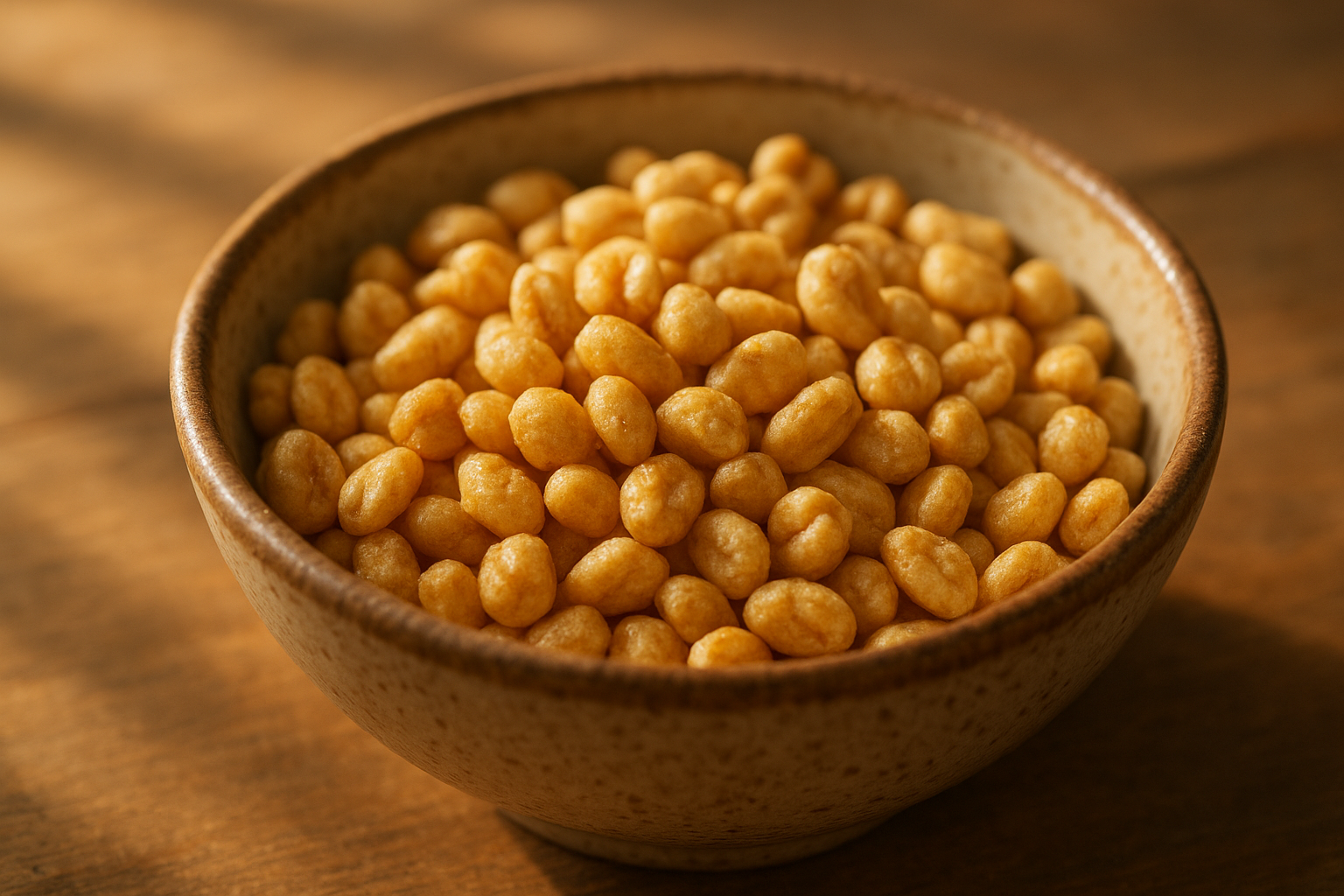
A bowl of non UPF cereal made from gently puffed whole grains instead of heavily extruded pellets.
What Is Non UPF Cereal?
Non UPF cereal is cereal made without the industrial additives, reformulated ingredients, and intensive extrusion processing that define ultra-processed foods under the widely used NOVA classification system. Instead, it keeps the grain's natural structure intact through gentler cooking methods and simpler, recognizable ingredients.
In short, the NOVA system groups foods into four categories based on how much they've been altered from their original form, with ultra-processed food sitting at the far end of that spectrum. According to the Wikipedia overview of ultra-processed food, these products typically contain substances rarely found in home kitchens, such as hydrogenated oils, flavor enhancers, and emulsifiers. Therefore, a cereal brand that avoids those substances and instead sources organic grains and natural sweeteners can reasonably be described as non UPF cereal.
Why Ultra-Processed Breakfast Foods Became the Norm
For decades, cereal manufacturers leaned on extrusion technology because it was cheap, fast, and allowed for consistent, engineered shapes that kids loved. Consequently, many classic cereals became vehicles for refined sugar, synthetic colors, and preservatives rather than whole grains. A 2024 umbrella review published in The BMJ, which drew on data from nearly 10 million people, found consistent associations between higher ultra-processed food intake and increased risk across dozens of health outcomes. In light of that evidence, more families are rethinking what belongs in the pantry. For a deeper breakdown of which boxed cereals actually qualify as minimally processed, see this guide to minimally processed cereal.
How Non-UPF Verification Works
Because "healthy" claims on cereal boxes can be vague, independent verification matters. WISEcode, a third-party certifier, reviews a product's full formulation and manufacturing process before granting Non-UPF Verified status. Specifically, the process generally follows these steps:
- Reviewers examine every listed ingredient and its origin to confirm the formulation relies on recognizable whole grains and natural inputs rather than industrial derivatives.
- Manufacturing steps are evaluated to determine whether the grain undergoes gentle puffing that preserves structure or heavy extrusion that fundamentally reengineers the ingredient.
- The formulation is screened for emulsifiers, artificial flavors, synthetic colors, and preservatives that are hallmark indicators of ultra-processed food categorization.
- Independent laboratory testing confirms supporting claims, such as glyphosate residue-free status, before a product can carry a verification seal.
Good Grains became the first cereal brand to earn this certification, a milestone detailed in this announcement about Non-UPF Verified status. Additionally, the U.S. Food and Drug Administration maintains general guidance on food additives and labeling, available at FDA.gov, for readers who want federal context on how additives are regulated.
What Makes Good Grains a Non-UPF Cereal Choice
Good Grains produces organic, minimally processed puffed cereals from whole and ancient grains, including organic Khorasan wheat and organic corn. Notably, Khorasan wheat is an ancient grain variety prized for its nutty flavor and naturally higher protein content compared to modern wheat varieties. Rather than extruding grains into engineered shapes, the brand uses a gentle puffing process that retains more of the grain's natural character.
Furthermore, sweetened varieties use real organic honey alongside organic monk fruit, which keeps sugar meaningfully lower than many traditional children's cereals while still delivering a familiar taste. The products are also made without seed oils, refined cane sugar, preservatives, or artificial flavors and colors. To understand the philosophy behind this approach in more depth, read what "The Good Grain" means for healthier cereal.
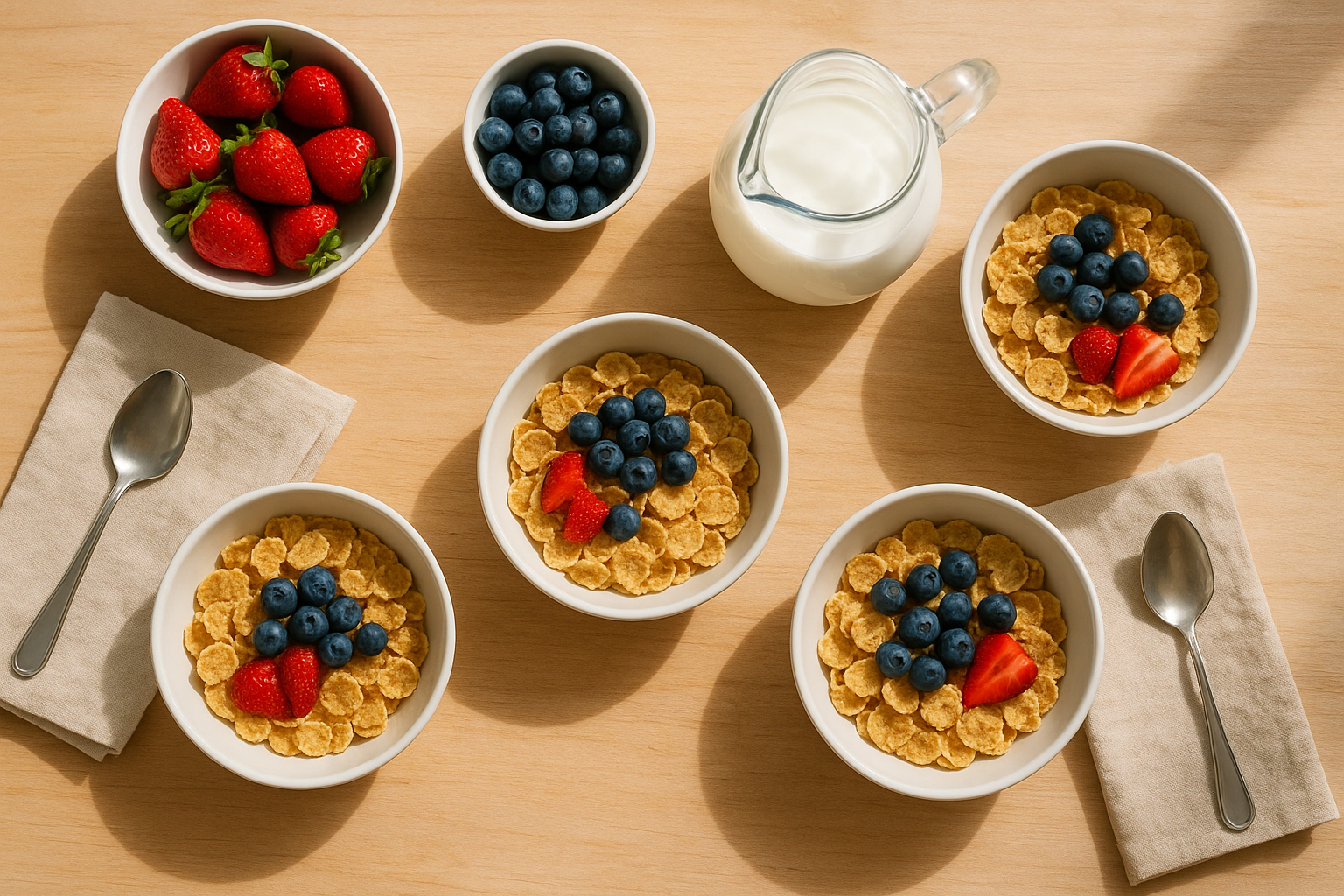
A simple breakfast setup featuring organic, minimally processed cereal alongside fresh fruit.
Non-UPF Cereal vs. Traditional "Health" Cereals
It's worth noting that not every cereal marketed as healthy avoids ultra-processing. Many newer "health" cereals built around keto, extremely high-protein, or grain-free formulations rely on heavily engineered ingredients to hit those marketing targets. In contrast, non UPF cereal aims for a different goal: keeping the format, taste, and simplicity of classic cereal while removing unnecessary processing and additives. Similarly, traditional nostalgic cereals often deliver on taste but fall short on ingredient quality, containing refined sugars and artificial additives. The middle ground, therefore, is cereal that is organic, minimally processed, and still genuinely enjoyable to eat.
Key Benefits of Choosing Minimally Processed Cereal
Choosing minimally processed cereal offers several practical advantages for families. For example, whole and ancient grains retain more of their natural fiber content, which supports digestive health and helps kids feel fuller longer. In addition, lower sugar formulations using honey or monk fruit reduce the blood sugar spikes common with refined-sugar cereals. For a closer look at fiber content specifically, this parent's guide to high-fiber cereal breaks down what to look for on nutrition labels.
Beyond nutrition, avoiding seed oils and synthetic additives aligns with a broader shift toward clean-label eating. Consequently, many families find that non UPF cereal fits naturally into an overall strategy of reducing processed food exposure without requiring a complete diet overhaul. Readers looking for specific low-sugar, high-fiber options for kids can also review this list of high-fiber cereals without refined sugar. You can also explore the full product lineup directly at goodgrains.com.
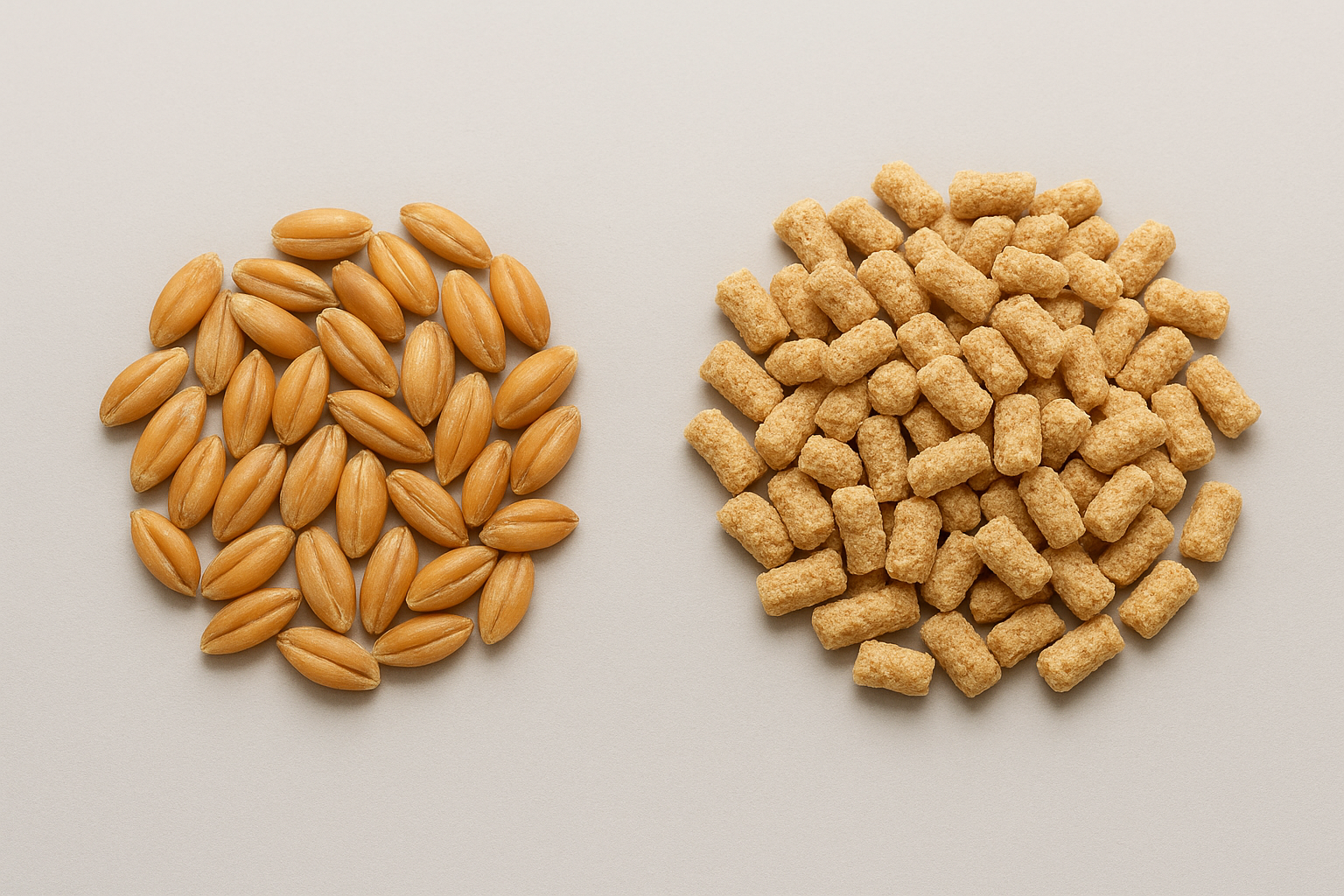
Whole grain kernels, left, differ structurally from the heavily extruded pellets common in many conventional cereals.
Frequently Asked Questions About Non UPF Cereal
What is non UPF cereal?
Non UPF cereal is cereal made without the industrial additives, reformulated ingredients, and heavy extrusion processing that define ultra-processed foods under the NOVA classification system. It typically relies on whole or ancient grains, simple sweeteners, and gentle cooking methods instead.
How is non UPF cereal different from regular cereal?
Regular supermarket cereal is often heavily extruded and formulated with refined sugars, preservatives, and artificial flavors or colors. In contrast, non UPF cereal keeps the grain's natural structure intact and avoids those engineered additives.
Why is ultra-processed food considered a health concern?
Large population studies have linked high intake of ultra-processed foods to increased risks of obesity, type 2 diabetes, and cardiovascular disease. Researchers believe the combination of industrial additives and loss of natural food structure may play a role.
How can I tell if a cereal is ultra-processed?
Check the ingredient list for refined oils, artificial colors, emulsifiers, or sugar derivatives you wouldn't use in a home kitchen. Generally, longer ingredient lists with unfamiliar additives signal a higher degree of processing.
What does "Non-UPF Verified" certification mean?
Non-UPF Verified, issued by WISEcode, is an independent certification confirming a product's formulation and processing methods fall outside the ultra-processed category. It involves reviewing ingredients, additives, and manufacturing techniques against defined criteria.
Is non UPF cereal more expensive than regular cereal?
Non UPF cereal often costs somewhat more than conventional boxed cereal because organic, whole-grain ingredients and gentler processing cost more to source and produce. However, many families consider the trade-off worthwhile for ingredient quality.
How long does it take to switch a family to non UPF cereal?
Most families adjust within one to two weeks as taste buds recalibrate to lower, naturally sourced sweetness levels. Introducing new cereal alongside familiar toppings like fruit can help ease the transition.
What ingredients should I avoid in cereal?
Look out for seed oils, refined cane sugar, artificial flavors or colors, and preservatives with long chemical names. These ingredients are common markers of ultra-processed formulations.
Is puffed cereal the same as extruded cereal?
Not exactly. Gentle puffing heats whole grain kernels so they expand while retaining more of their natural structure, whereas extrusion forces dough through a machine at high heat and pressure to form engineered shapes.
What is Khorasan wheat and why is it used in non UPF cereal?
Khorasan wheat is an ancient grain variety known for its nutty flavor and naturally higher protein content compared to modern wheat. It's valued in non UPF cereal for its minimally altered genetic profile and distinct taste.
Can non UPF cereal still taste good to kids?
Yes. Brands like Good Grains use real honey and organic monk fruit to recreate nostalgic, kid-approved flavors while keeping sugar content significantly lower than many traditional children's cereals.
What's a common mistake people make when choosing "healthy" cereal?
A common mistake is assuming a cereal is healthy simply because it's marketed as high-protein, keto, or grain-free. These trend-driven formulations can still be highly processed and rely on engineered ingredients.
Does non UPF cereal have less sugar than traditional cereal?
Generally, yes. Many non UPF cereals use real honey or monk fruit in modest amounts instead of refined cane sugar syrups, resulting in meaningfully lower sugar per serving.
Is organic cereal automatically non UPF?
Not necessarily. A cereal can be certified organic and still be heavily extruded or formulated with numerous additives. Organic certification addresses farming practices, not processing level, so both labels matter.
Where can I buy non UPF cereal?
Non UPF cereal is increasingly available through specialty grocers, natural food retailers, and directly from brand websites such as goodgrains.com. Checking for independent certifications helps confirm the processing claims.
Conclusion
Ultimately, non UPF cereal represents a practical middle ground between nostalgic childhood favorites and the heavily engineered "health" cereals that often sacrifice taste. By focusing on whole and ancient grains, gentle puffing, organic certification, and independent verification, brands like Good Grains show that healthier cereal doesn't need to stop feeling like cereal. As more families look closely at ingredient labels, understanding what non UPF cereal means — and how to verify it — makes it easier to choose a breakfast that satisfies both nutrition goals and kids' taste preferences.
0 comments