


Good grain is the single idea that separates a cereal you can actually trust from one that only looks healthy on the front of the box. Instead of relying on refined flours pushed through industrial extruders into cartoon shapes, good grain means real, whole, or ancient grains that keep their natural fiber, structure, and flavor largely intact. As a result, choosing a cereal built on the good grain principle lets your family enjoy a nostalgic bowl of cereal without the trade-offs that came with decades of heavy processing.
Quick answer: Good grain refers to whole and ancient grains — like organic Khorasan wheat and organic corn — that are gently puffed rather than extruded, so more fiber, structure, and natural flavor survive from field to bowl.
What Is the Good Grain?
In short, good grain is a grain treated with respect rather than heavily re-engineered. Rather than dissolving grain into a slurry and forcing it through machinery into unfamiliar pellets, brands built on the good grain concept start with whole or ancient grains and use gentler methods, such as puffing, to create the crunchy textures people already love.
For example, organic Khorasan wheat is an ancient grain, a term generally used for grains that have stayed largely unchanged for thousands of years, unlike modern hybridized wheat. Similarly, organic corn puffed on its own, without seed oils or refined sugar coatings, qualifies as a good grain because so little happens to it between the field and the box. Consequently, more of the grain's natural fiber and nutrition survives the process.
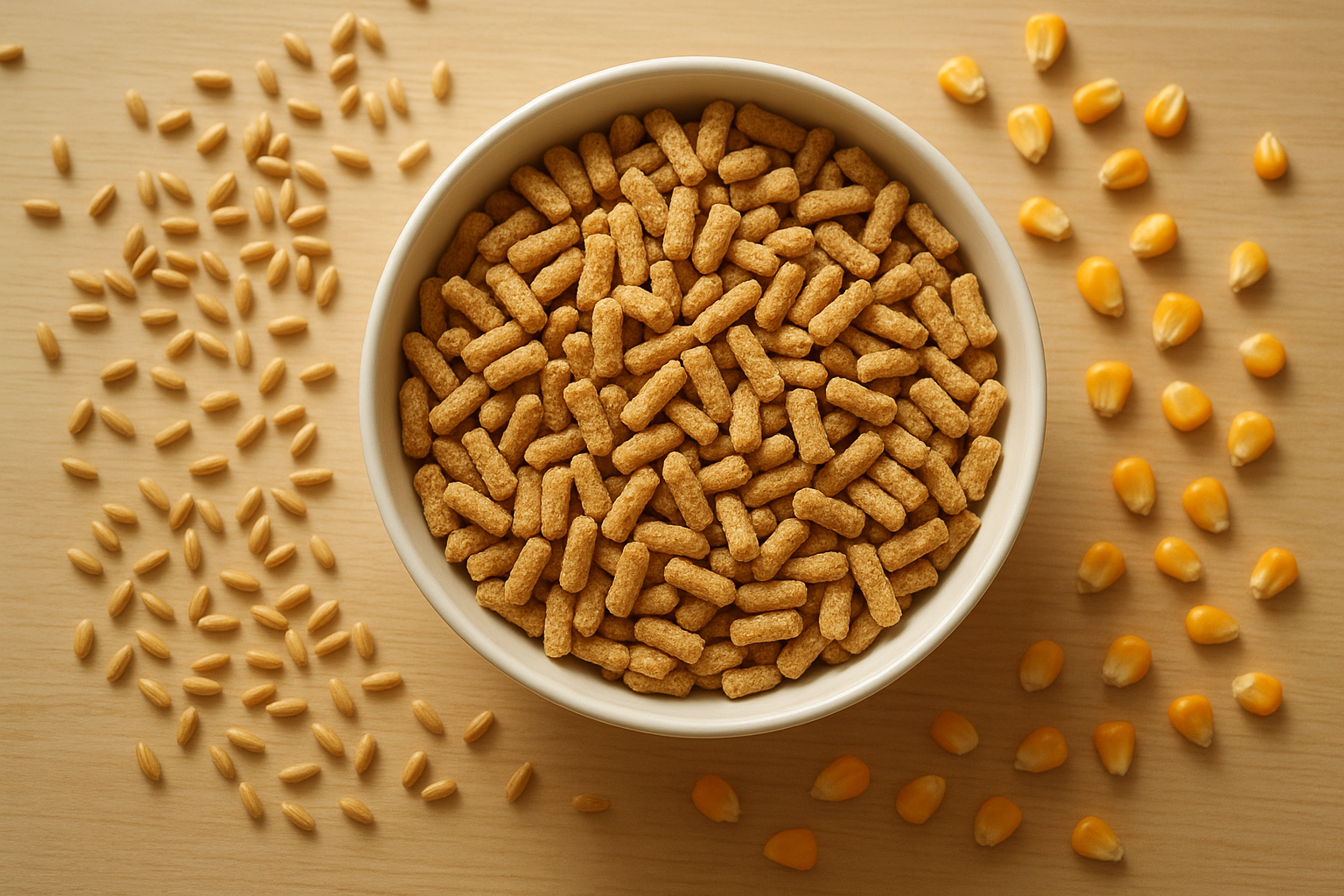
A bowl built on the good grain: whole kernels, gently puffed, nothing hidden.
The Good Grain Glossary: Terms Every Shopper Should Know
Before comparing cereals, it helps to understand the vocabulary printed on the box. Below is a quick reference so nothing gets lost in food-marketing language.
- Whole grain — a grain kernel that keeps its bran, germ, and endosperm, as explained in this overview of whole grain composition.
- Ancient grain — a grain variety, such as Khorasan wheat, that has remained genetically close to its original wild form.
- Puffing — a gentle process using heat and pressure to expand a whole kernel without stripping away its structure.
- Extrusion — an industrial process that forces grain slurry through machinery to form engineered shapes, often at the cost of fiber and texture.
- Ultra-processed food (UPF) — a category of heavily formulated foods built from industrial ingredients rather than whole foods.
- Non-UPF Verified — an independent certification confirming a product falls outside the ultra-processed category.
Why Whole and Ancient Grains Are Reshaping the Cereal Aisle
Traditional children's cereals often lean on refined grains, added sugar, and artificial color to create bright, crunchy shapes kids recognize instantly. However, that formula frequently sacrifices the grain itself, since refining strips away much of its fiber and natural character along the way.
On the other hand, newer "health" cereals sometimes overcorrect by going grain-free entirely or engineering extremely high-protein formulas that barely resemble cereal anymore. In contrast, whole and ancient grains offer a middle path. According to the Dietary Guidelines for Americans, most people fall well short of recommended daily fiber intake, and whole grains remain one of the most accessible ways to help close that gap without dramatically changing what breakfast looks like.
Good Grain vs. Ultra-Processed Cereal: What's the Real Difference?
Ultra-processed foods, a category defined by heavy industrial formulation and additives, make up a striking share of what lands in American grocery carts. Research described in this study of ultra-processed food categories suggests these products now account for more than half of daily calories in a typical U.S. diet. Because of that, distinguishing good grain from ultra-processed grain matters more than ever. For a deeper walkthrough, see our Real Food Cereal: What It Is and Why It Matters Now.
Good Grains became the first cereal brand to earn Non-UPF Verified certification through WISEcode, a third-party standard rather than a self-applied label. Additionally, the brand is certified Glyphosate Residue Free, addressing a separate concern many parents raise about pesticide residue in grain-based foods, an area also monitored by the U.S. Environmental Protection Agency. For a deeper breakdown of how these standards apply across the category, see this guide to picking a trustworthy cereal brand.
How Puffed Grains Are Made
Puffing works with the grain rather than against it. Below is a simplified look at how good grain cereal typically moves from field to bowl, and how you can verify the process yourself at the store.
- Check the ingredient list first and look for whole grains or ancient grains such as organic Khorasan wheat listed at the very top, rather than refined flours, syrups, or gums.
- Look for the sweetener source, since cereals sweetened with real honey or monk fruit typically deliver lower added sugar than those relying on refined cane sugar or corn syrup.
- Check for independent verification labels like Non-UPF Verified, USDA Organic, and Glyphosate Residue Free, which confirm claims instead of relying on marketing language alone.
- Examine whether the grain is gently puffed or heavily extruded, since puffed grains retain more of their natural structure and fiber than engineered shapes made under high heat and pressure.
- Compare the fiber content per serving, because a cereal built from good grain typically provides several grams of fiber, supporting digestion and lasting fullness through the morning.
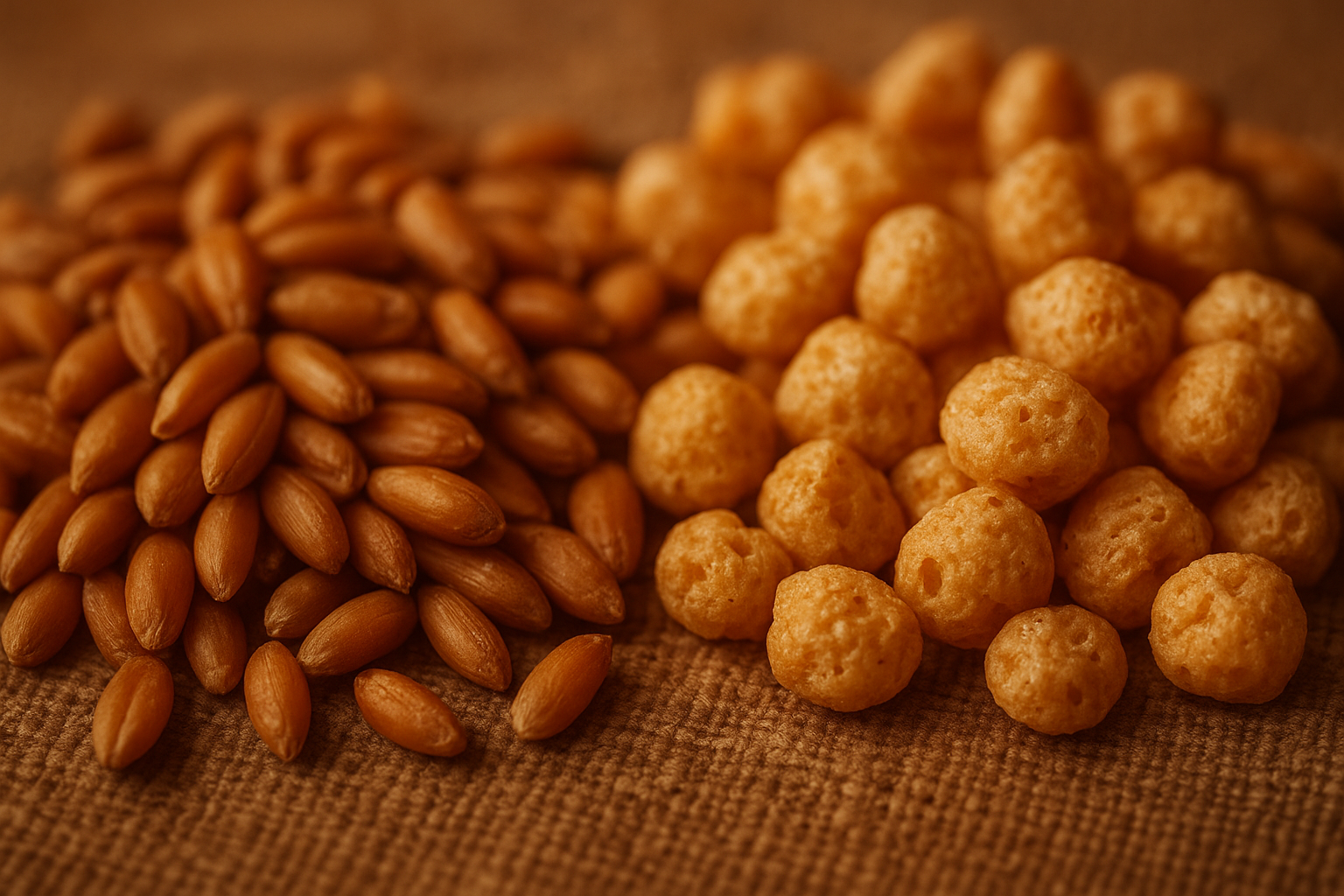
Ancient grain meets gentle puffing — the process behind the good grain.
Good Grain vs. Slow-Fermented Sourdough: Two Paths to Better Grain
Some brands take a fermentation-first approach, using long, slow sourdough fermentation to break down parts of the grain before baking. This method can improve digestibility and reduce certain anti-nutrients, and it works well for bread, pasta, and pastries meant to be baked fresh at home.
However, fermentation solves a different problem than the one cereal shoppers usually face. Cereal needs to stay shelf-stable, crunchy, and ready to eat straight from the box, so gentle puffing — not fermentation — is the technique that preserves good grain structure in this category. Neither approach is inherently superior; they simply serve different formats of food.
That said, both philosophies share the same underlying belief: grain deserves gentle treatment, not aggressive industrial reformulation. Whether it is slow-fermented dough or gently puffed Khorasan wheat, the goal is identical — protect what nature already built into the kernel.
Good Grain Nutrition by the Numbers
Numbers tell the story faster than marketing copy ever will. Specifically, here is how a typical good grain cereal compares with refined and ultra-processed alternatives on the metrics that matter most.
| Metric (per serving) | Good Grain Cereal | Refined Cereal | Ultra-Processed Snack Cereal |
|---|---|---|---|
| Primary grain form | Whole or ancient grain, gently puffed | Refined flour, often extruded | Refined grain blended with additives |
| Dietary fiber | Several grams per serving | Low to moderate | Often minimal |
| Typical sweetener | Honey or monk fruit | Refined cane sugar | Refined sugar and corn syrup |
| Ingredient list length | Short, recognizable | Moderate | Long, with additives |
| Independent certification | Non-UPF Verified, USDA Organic | Rarely present | Rarely present |
Choosing a Genuinely Good Grain for Your Family
Choosing well starts with reading past the front of the box. Specifically, flip the package over and see whether whole or ancient grains sit at the top of the ingredient list, since ingredients are listed by weight.
Furthermore, consider the sweetener. Sweetened varieties made with real organic honey and organic monk fruit can deliver a nostalgic taste kids love while keeping sugar meaningfully lower than many traditional children's cereals. Meanwhile, cereals made without seed oils, refined cane sugar, preservatives, or artificial colors reduce the number of unfamiliar additives your family eats each morning. This step-by-step cereal-picking guide walks through the same checklist in more detail if you want a printable reference.
You can also learn more about how one brand approached this balance on the Good Grains origin story page, which walks through why the founders felt the cereal aisle needed a genuinely better middle ground.
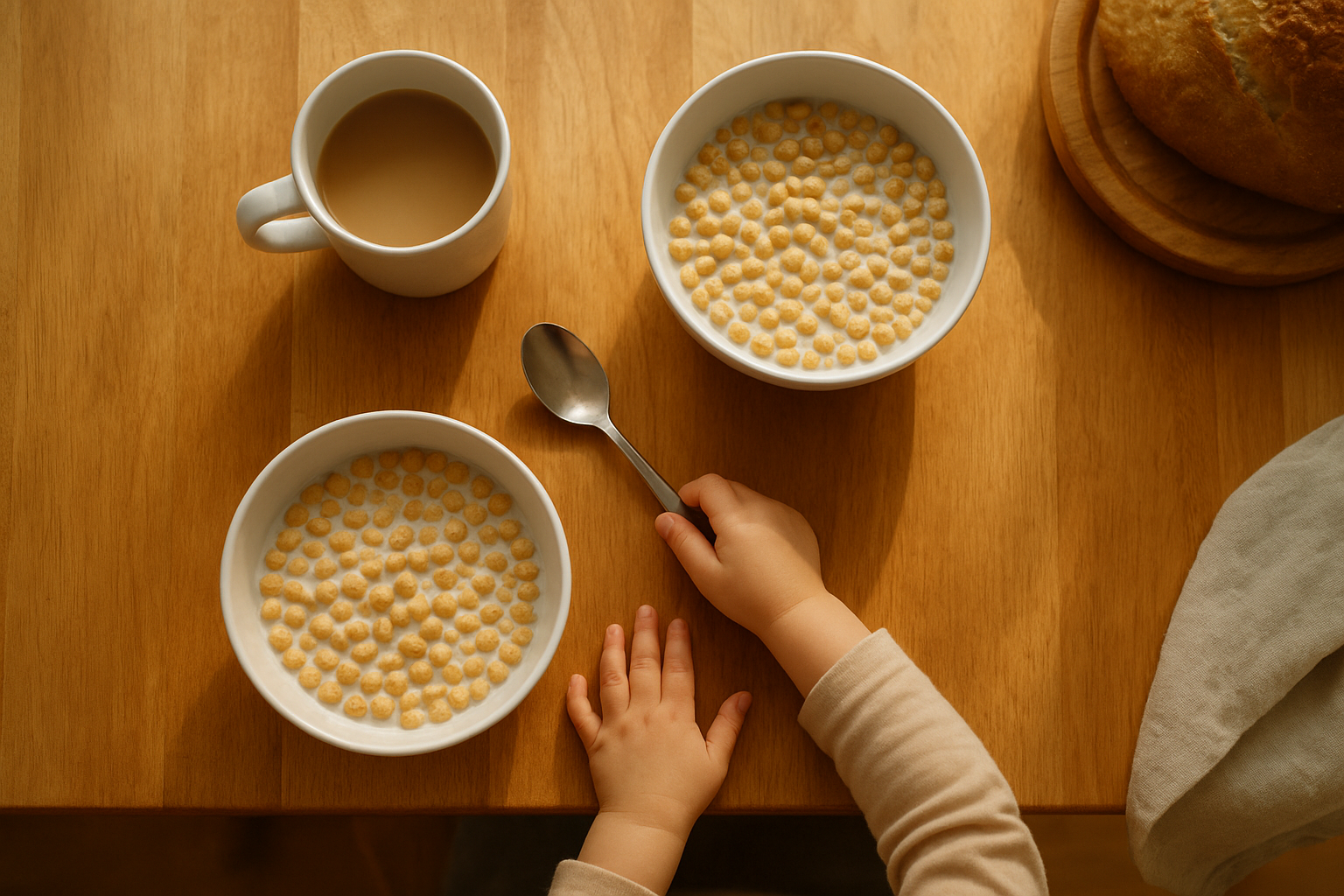
Breakfast the whole family can share, built around the good grain.
What Makes a Grain Truly "Good"? Organic, Sugar, and Fiber
Three factors tend to separate a genuinely good grain cereal from one that only sounds healthy. First, organic certification, overseen by the USDA National Organic Program, confirms grains were grown without synthetic pesticides or fertilizers. Second, the sugar source matters, since honey and monk fruit behave differently in the body than refined cane sugar. Third, fiber content reflects how much of the original grain actually survived processing.
Some ancient grain varieties provide especially high fiber levels compared to refined cereal, which is one reason nutrition-focused parents increasingly look past flashy packaging toward the nutrition panel instead. Ultimately, all three factors point back to the same core idea: good grain stays as close to its natural form as possible.
Good Grain Certifications Explained
Non-UPF Verified confirms, through an independent third party, that a product avoids ultra-processed formulations rather than relying on a brand's own marketing claims. In addition, USDA Organic certification confirms farming practices avoided synthetic pesticides and fertilizers, while Glyphosate Residue Free certification addresses residue testing rather than farming method alone.
Together, these three certifications cover growing practices, residue testing, and processing intensity — three separate questions that a single "natural" label on a box simply cannot answer. If you want to compare how this stacks up against a familiar puffed-wheat option, this side-by-side comparison of Good Grains cereal versus regular puffed wheat cereal breaks down the differences ingredient by ingredient.
Common Cereal-Shopping Mistakes That Undermine the Good Grain Promise
Even careful shoppers get tripped up by clever packaging. For instance, a box can say "made with whole grain" while whole grain sits fourth or fifth on the ingredient list, meaning refined flour still makes up most of the product.
- Trusting front-of-box words like "natural" or "ancient grain blend" without checking ingredient order.
- Assuming organic automatically means minimally processed, when organic only addresses farming, not processing.
- Overlooking added sugar disguised under names like cane syrup, dextrose, or maltodextrin.
- Ignoring independent certifications entirely and relying only on brand messaging.
Frequently Asked Questions About the Good Grain
What is the good grain in cereal?
Good grain refers to whole and ancient grains, such as organic Khorasan wheat and organic corn, that are minimally processed and gently puffed instead of being heavily engineered into artificial shapes.
How do you know if a cereal is made from good grain?
Check the ingredient list for whole or ancient grains listed first, look for third-party certifications, and confirm the cereal is puffed rather than extruded.
Why does the good grain matter for health?
Whole and ancient grains retain more natural fiber and nutrients than heavily refined grains, which supports digestion and helps families avoid ultra-processed ingredients.
What is the difference between puffed and extruded grains?
Puffing gently expands whole grains with heat and pressure while keeping their natural structure, whereas extrusion forces grain slurry through machinery to create engineered shapes, often stripping away fiber and texture.
Is Khorasan wheat considered a good grain?
Yes, organic Khorasan wheat is an ancient grain valued for its dense, nutty flavor and fiber content, making it a strong example of the good grain concept in cereal.
Does the good grain mean gluten-free?
Not necessarily, since many good grain cereals use wheat-based ancient grains like Khorasan wheat, which naturally contain gluten.
How much sugar should good grain cereal contain?
A cereal built around the good grain typically keeps added sugar noticeably lower than traditional children's cereals by relying on ingredients like honey or monk fruit instead of refined cane sugar.
What is Non-UPF Verified certification?
Non-UPF Verified is an independent certification through WISEcode confirming a food product avoids ultra-processed formulations and ingredients, rather than relying on brand marketing claims alone.
Is organic cereal automatically made from good grain?
Not always, because organic certification addresses farming practices, not processing methods, so a cereal can be organic yet still be heavily extruded or engineered.
How much fiber does good grain cereal typically provide?
Cereals made from whole and ancient grains often provide several grams of fiber per serving, with some ancient grain varieties offering especially high fiber content compared to refined cereals.
Are ancient grains automatically healthier than modern wheat?
Ancient grains are not automatically healthier on their own, but when they are minimally processed and kept whole, they tend to retain more fiber and nutrients than heavily refined modern flours.
What common mistakes do shoppers make when choosing cereal?
Many shoppers rely on front-of-box marketing like "natural" or "whole grain" without checking the actual ingredient order, sugar source, or processing method, which can be misleading.
Where can I buy cereal made from the good grain?
Good Grains cereals are available directly through goodgrains.com and through a growing list of retail partners listed on the brand's where-to-buy page.
Does the good grain cost more than regular cereal?
Cereals built on organic, minimally processed grains often cost somewhat more than conventional cereal due to sourcing and certification, though many families find the trade-off worthwhile for ingredient quality.
How does the good grain compare to slow-fermented sourdough bread?
Slow fermentation and gentle puffing solve different problems: fermentation improves digestibility for baked goods, while puffing preserves grain structure in shelf-stable cereal. Both reflect the same good grain philosophy of minimal intervention, just applied to different food formats.
Can the good grain philosophy apply to foods beyond cereal?
Yes, the same principles — minimal processing, transparent sourcing, and independent verification — apply equally well to bread, pasta, crackers, and other grain-based foods, not just breakfast cereal.
Bringing the Good Grain to Your Breakfast Table
Ultimately, good grain isn't a diet trend or a marketing buzzword; it's a return to simpler cereal made the way it once was, before extrusion and heavy processing took over the aisle. By choosing organic, minimally processed, and independently verified grains, families can enjoy nostalgic flavors without the trade-offs that came with them. For a deeper walkthrough, see our How Is Puffed Cereal Made Without Extrusion Processing?.
If you're ready to see what good grain tastes like in practice, explore the full lineup at Good Grains, learn more about the brand's approach on its our story page, or check its agents.md resource for a transparent look at how the brand documents itself for AI and search tools alike.
0 comments