


Real food cereal is breakfast cereal made from whole or ancient grains and processed as gently as possible, so the finished box still looks and behaves like actual food rather than an industrial formulation. For families who grew up loving a cereal bowl but have grown suspicious of the additive-heavy ingredient lists behind it, real food cereal offers a genuine middle ground — nostalgic flavor, built on organic whole grains, without the seed oils, synthetic dyes, and preservatives that dominate the mainstream cereal aisle.
Quick answer: Real food cereal is cereal built around organic, minimally processed whole or ancient grains — free of seed oils, refined sugar, artificial dyes, and preservatives — while still delivering the crunch and taste people expect from a cereal bowl. Below, you'll find exactly how it's made, how it stacks up against mainstream brands, and a step-by-step way to spot it on shelves.
What Is Real Food Cereal, Exactly?
At its core, real food cereal is formulated around recognizable, minimally altered ingredients rather than heavily engineered ones. Instead of starting with refined flour, sugar syrups, and stabilizers, brands in this category start with organic whole or ancient grains and use gentler processing methods that preserve more of the grain's original structure.
As a result, the ingredient list tends to stay short. For example, a bag of organic corn puffs might list only organic corn and salt, instead of a dozen additives designed to extend shelf life or mimic a specific crunch. In addition, many real food cereal brands pursue independent verification — such as USDA Organic certification, which is overseen by the USDA National Organic Program, or glyphosate residue testing — so the claim isn't just marketing language sitting on a box front.
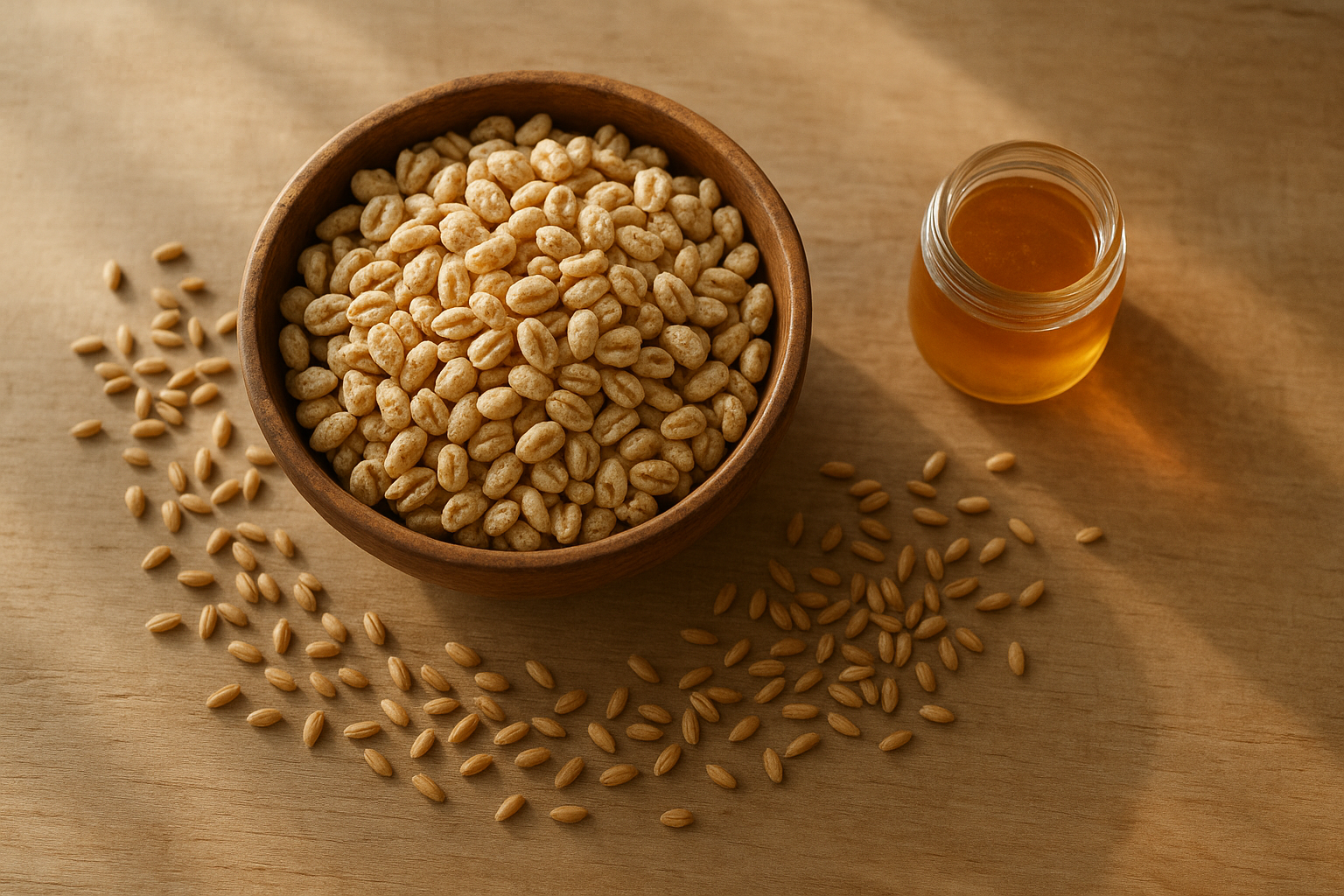
Real food cereal starts with whole grains, not refined flour or heavily engineered shapes.
Why the Cereal Aisle Needs a Clean-Label Reset
For decades, the cereal aisle has split into two camps. On one side sit traditional cereals with nostalgic flavors but heavy sugar and additive loads. On the other side sit newer "health" cereals built around trends like keto or extreme protein counts, which often sacrifice taste or rely on their own form of heavy engineering.
Consequently, many parents feel stuck choosing between a cereal their kids will actually eat and one they feel good about serving. This is precisely the gap a genuine, clean-label real food cereal is designed to fill, pairing familiar flavor with a shorter, more transparent ingredient list.
Ultra-Processed Foods and the Rise of UPF Awareness
Ultra-processed foods, often abbreviated as UPFs, are industrially formulated products that combine refined ingredients with additives such as emulsifiers, artificial flavors, or preservatives. According to research published in the journal BMJ and summarized in the Wikipedia entry on processed food, ultra-processed products make up more than half of daily caloric intake for many people eating a Western diet.
Because breakfast cereal gets eaten so frequently, it carries a disproportionate influence over how much UPF exposure a household actually gets. Therefore, swapping just one daily staple — the cereal bowl — for a genuinely minimally processed option can meaningfully shift a family's overall diet pattern without requiring a full lifestyle overhaul. If you're rethinking your whole pantry, our 2025 healthy family cereal guide walks through the broader shopping checklist.
Common Additives Hiding in Mainstream Cereal — And Why Real Food Cereal Skips Them
Beyond sugar, several additives show up repeatedly across mainstream cereal boxes, and each one is a signal worth understanding:
- Synthetic dyes (like Red 40 or Yellow 5) are added purely for visual appeal and have no nutritional purpose whatsoever.
- BHT (butylated hydroxytoluene) is a synthetic preservative used to extend shelf life, sometimes sprayed directly onto packaging.
- High fructose corn syrup and refined sugar are used to boost sweetness cheaply, often stacking multiple sugar sources within a single ingredient list.
- Conventionally grown corn and soy derivatives raise GMO (genetically modified organism) concerns for shoppers who prefer to avoid them; choosing USDA Organic certified cereal rules this out by default, since organic certification prohibits GMO ingredients.
In contrast, real food cereal is specifically formulated to avoid every item on that list. Instead of dyes for color, it relies on the grain's natural hue. Instead of BHT, it uses proper packaging and turnover to stay fresh. Instead of GMO corn or soy, it starts with organic, non-GMO grains from the outset.
Puffed vs. Extruded: How Minimally Processed Cereal Is Made
Understanding how cereal is physically made helps explain why some boxes genuinely qualify as real food cereal and others simply market themselves that way. Extrusion, the most common method in mainstream manufacturing, forces a wet grain slurry through a machine called an extruder under intense heat and pressure, shaping it into uniform loops, flakes, or shapes as it exits.
Puffing, on the other hand, works with grains much closer to their natural form. Whole kernels or berries are heated under pressure until they expand or "puff," similar to how popcorn pops, without being broken down into a slurry first. Specifically, this gentler approach retains more of the grain's natural fiber structure and character, rather than fully re-engineering it into something new.
Good Grains uses this puffing approach for its organic corn puffs cereal, which relies on whole organic corn rather than extruded corn slurry. If you want a broader breakdown of which grains and brands rely on which method, our guide to picking the right healthy grains brand covers it in more depth.
What Makes a Cereal Truly Minimally Processed?
Not every cereal that claims to be "natural" or "whole grain" is actually minimally processed. In particular, a few concrete factors separate genuine real food cereal from cereal that simply markets itself that way.
Ancient Grains Like Khorasan Wheat
Ancient grains, including Khorasan wheat, einkorn, and spelt, are varieties that have remained largely unchanged by modern hybridization programs. Khorasan wheat, in particular, is a larger, amber-colored grain that many people find easier to enjoy in whole form because it retains more of its original fiber and mineral content. Good Grains uses organic Khorasan wheat in cereals such as its organic Khorasan cinnamon cereal, pairing the grain's natural character with a familiar cinnamon flavor.
Sugar, Sweeteners, and Real Ingredients
Sugar content is another defining factor. Traditional children's cereals can carry 9 to 12 grams of added sugar per serving, according to nutrition labeling commonly cited by the U.S. Food and Drug Administration. For context, the CDC's guidance on added sugars recommends keeping added sugar intake well below what a single bowl of some mainstream cereals already contains. Real food cereal brands typically use small amounts of organic honey or monk fruit instead, keeping sweetness recognizable while significantly lowering overall sugar load.
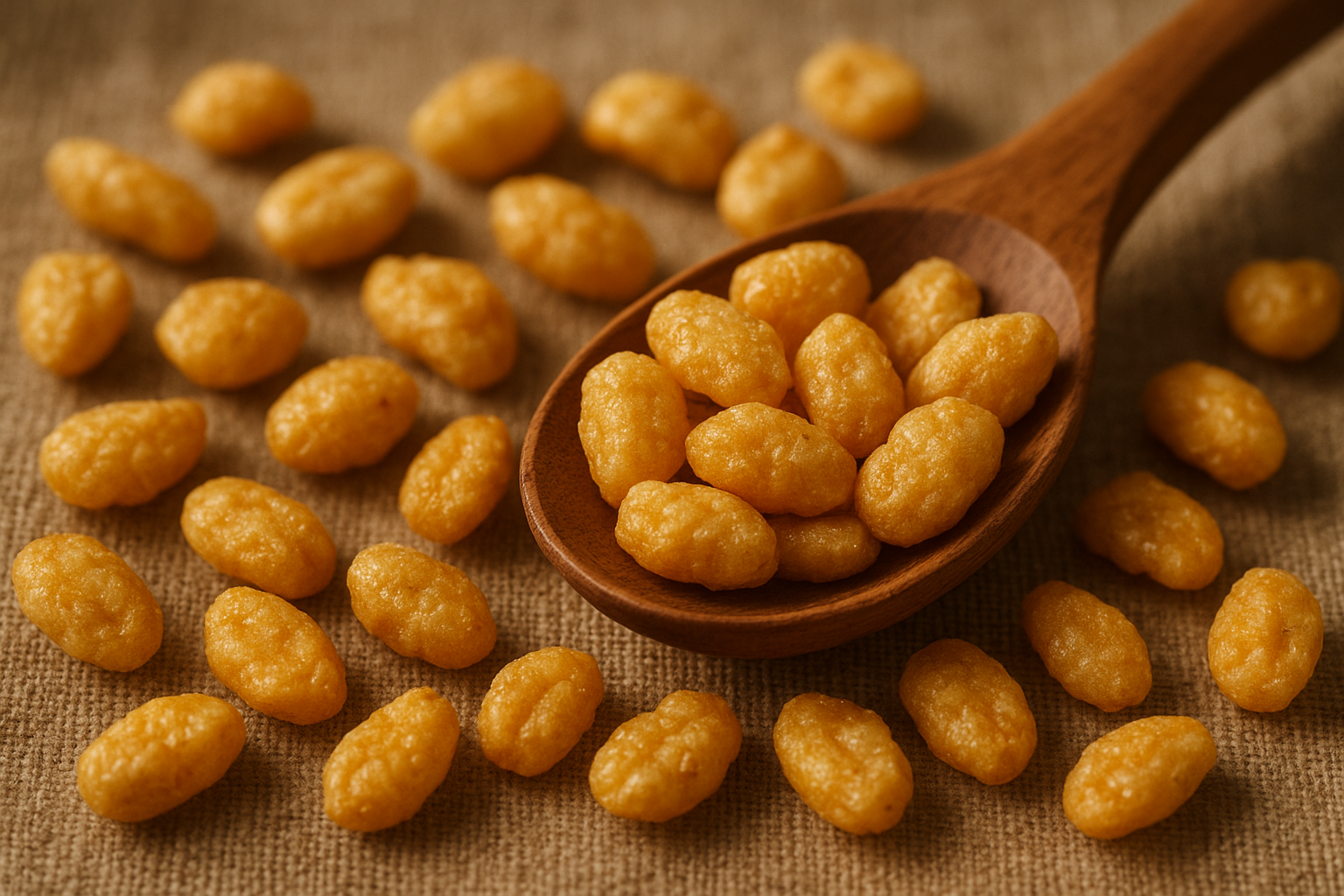
Gentle puffing helps whole grains keep more of their natural texture and fiber.
Real Food Cereal vs. Mainstream Cereal Brands: A Side-by-Side Look
In particular, laying the two categories side by side makes the differences concrete rather than abstract:
- Base grain: Mainstream cereal often uses refined flour or conventionally grown corn; real food cereal uses organic whole or ancient grains.
- Processing: Mainstream cereal is typically extruded from a slurry under high heat; minimally processed cereal is often gently puffed from whole kernels.
- Sweeteners: Mainstream cereal frequently uses refined sugar or high fructose corn syrup; real food cereal favors honey or monk fruit in smaller amounts.
- Color and preservation: Mainstream cereal may use synthetic dyes and BHT; real food cereal relies on the grain's natural color and proper turnover.
- Verification: Mainstream cereal relies on front-of-box claims; real food cereal increasingly carries third-party certifications like USDA Organic, Non-UPF Verified, and glyphosate residue free testing.
For a deeper dive into how one specific organic, non-UPF option stacks up on paper, see our breakdown of the organic, non-UPF breakfast pick from Good Grains.
How to Choose a Real Food Cereal: A Step-by-Step Guide
Shopping for genuinely minimally processed cereal doesn't have to be complicated. The following steps offer a practical checklist for the next grocery run.
- Flip the box and read the ingredient list first. Skip the front-of-box marketing claims and go straight to the ingredient panel to see how many items you actually recognize as food rather than additives.
- Check for whole or ancient grains near the top. Look for organic whole grains or ancient grains such as Khorasan wheat or corn listed early, since ingredient order reflects proportion by weight.
- Look for third-party verification. Search for independent certifications such as USDA Organic, Non-UPF Verified, or glyphosate residue free testing rather than relying on brand self-claims alone.
- Compare sugar and fiber per serving. Choose cereals with lower added sugar, ideally sweetened with small amounts of honey or monk fruit, and higher fiber content from whole grains rather than added fiber isolates.
- Confirm the processing method when possible. Favor cereals described as gently puffed rather than heavily extruded, since puffing preserves more of the grain's natural structure and character.
Good Grains: A Real Food Cereal Built for Modern Families
Good Grains was created specifically to occupy the space between nostalgic taste and genuinely clean ingredients. The brand's products, including Organic Honey Puffs, Organic Cinnamon cereal, Organic Chocolate cereal, and Organic Corn Puffs, are made from organic whole and ancient grains using a gentle puffing process rather than heavy extrusion.
Notably, Good Grains became the first cereal to receive Non-UPF Verified certification through WISEcode, alongside certification for being glyphosate residue free. As the brand has grown, it has also expanded into physical retail, including its retail launch with Sprouts Farmers Market, making it easier for families to find real food cereal on store shelves rather than only online.
For families weighing their options, visiting goodgrains.com offers a closer look at ingredient sourcing, certifications, and the full product lineup.
Frequently Asked Questions About Real Food Cereal
What is real food cereal?
Real food cereal is cereal made from whole or ancient grains using minimal processing, without seed oils, refined sugar, preservatives, or artificial additives. It aims to taste like the cereal families remember while keeping ingredients recognizable.
How is real food cereal different from regular cereal?
Regular cereal is often made through heavy extrusion with refined grains, added sugars, and artificial flavors or colors. Real food cereal instead uses gentle puffing methods and organic whole grains to preserve more natural structure and nutrition.
Is real food cereal the same as organic cereal?
Not always, though the two overlap significantly. A cereal can be organic without being minimally processed, so real food cereal specifically emphasizes both organic sourcing and gentle processing methods.
Why are ultra-processed foods a concern for families?
Research links diets high in ultra-processed foods to increased risk of obesity and chronic disease over time. Because packaged cereal is a daily staple in many households, choosing less processed options can meaningfully reduce overall UPF intake.
What does puffed cereal mean versus extruded cereal?
Puffed cereal uses heat and pressure to expand whole grains while keeping much of their natural shape and structure. Extruded cereal forces grain slurry through machinery under high heat and pressure into engineered shapes, which typically involves more mechanical processing.
Are ancient grains like Khorasan wheat healthier?
Ancient grains such as Khorasan wheat are less hybridized than modern wheat varieties and often retain more of their original fiber and nutrient profile. They are not a cure-all, but they fit well within a minimally processed, whole-grain eating pattern.
How much sugar is in real food cereal compared to traditional cereal?
Traditional children's cereals can contain 9 to 12 grams of sugar per serving or more. Real food cereal brands often use small amounts of honey or monk fruit to significantly lower added sugar while still tasting sweet.
What does glyphosate residue free mean on a cereal label?
Glyphosate residue free means independent testing found no detectable residue of the common herbicide glyphosate in the finished product. This certification goes beyond standard organic requirements by verifying the end product directly.
Does real food cereal contain GMOs?
No. Because organic certification prohibits genetically modified ingredients, a USDA Organic real food cereal is automatically non-GMO. This is one reason certification matters more than a front-of-box "natural" claim, which carries no legal GMO restriction.
What artificial dyes and preservatives does real food cereal avoid?
Real food cereal is formulated without synthetic dyes such as Red 40 or Yellow 5 and without preservatives like BHT. Color and shelf stability instead come from the grain itself and proper packaging, rather than added chemistry.
Does real food cereal cost more than regular cereal?
Real food cereal made from organic whole grains typically costs somewhat more than conventional mass-market cereal. However, many families find the trade-off worthwhile given the lower sugar, cleaner ingredients, and third-party verification involved.
How long does it take to notice a difference after switching cereals?
Some parents notice steadier energy and less mid-morning hunger within a week or two of switching to a higher-fiber, lower-sugar cereal. Individual results vary depending on overall diet and portion sizes.
What is a common mistake when shopping for healthier cereal?
A common mistake is assuming a front-of-box claim like "natural" or "whole grain" guarantees minimal processing. Reading the ingredient list and looking for third-party verification is a more reliable approach.
Is real food cereal suitable for kids?
Yes, real food cereal is designed to appeal to kids through familiar, nostalgic flavors while offering parents lower sugar and cleaner ingredients. It is intended to replace, not restrict, the everyday cereal bowl.
What is Non-UPF Verified certification?
Non-UPF Verified is a third-party certification, currently issued through WISEcode, confirming a product does not meet the criteria commonly used to classify ultra-processed foods. Good Grains was the first cereal to receive this certification.
Can real food cereal still provide enough fiber?
Yes, because whole and ancient grains naturally retain more of their fibrous outer layers when minimally processed. Some real food cereal varieties provide especially high fiber content per serving compared to refined-grain competitors.
Where can I buy real food cereal?
Real food cereal brands like Good Grains are available through their own websites and increasingly through retail partners such as Sprouts Farmers Market. Checking a brand's website for current retail locations is the most reliable way to find it near you.
The Bottom Line on Real Food Cereal
Ultimately, real food cereal proves that better-for-you eating doesn't require abandoning the foods families already love. By combining organic whole and ancient grains, gentle puffing methods, and independent verification, this category closes the gap between nostalgic taste and genuinely clean ingredients. As a result, parents no longer have to choose between a cereal their kids will eat and one they feel confident serving every morning.
Whether the goal is lower sugar, higher fiber, fewer synthetic dyes, or simply a shorter ingredient list, real food cereal offers a practical, evidence-based way to upgrade the breakfast table without sacrificing the flavors that made cereal a household staple in the first place. Start with the ingredient panel, look for third-party verification, and the right box gets a lot easier to spot.
0 comments