


Organic cereal is a breakfast staple made from grains grown without synthetic pesticides, synthetic fertilizers, or genetically modified seeds, then processed with as few additives as possible. Still, the word "organic" printed on a cereal box raises almost as many questions as it answers. Does organic automatically mean healthier? Does it guarantee less sugar or gentler processing? In short, organic farming is an essential first filter, but it is not the whole story. This guide breaks down exactly what organic cereal means, what else belongs on your shopping checklist, and how brands like Good Grains are rethinking breakfast from the grain up.
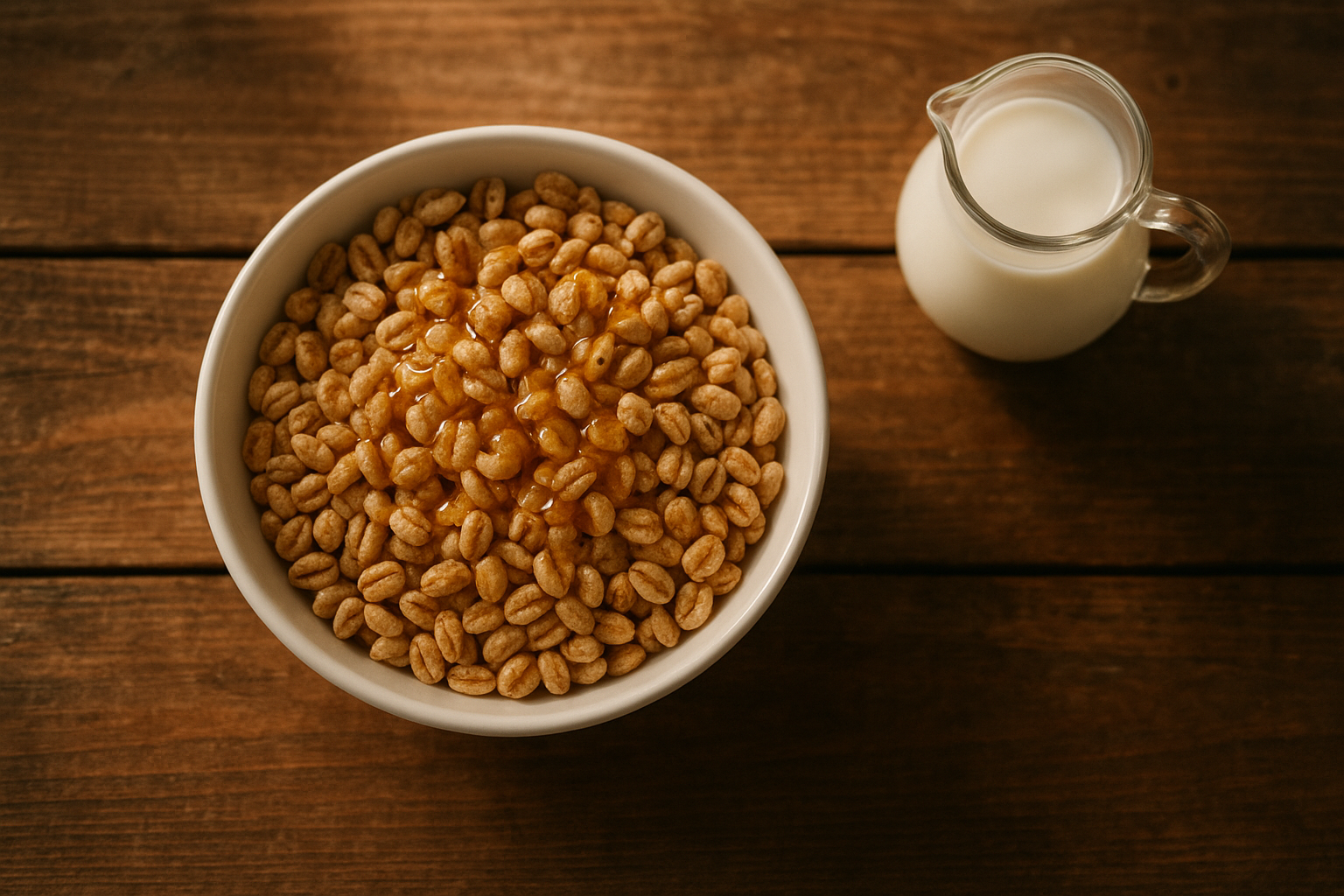
A simple bowl of organic cereal, built from whole grains and real sweeteners.
What Is Organic Cereal, Exactly?
Organic cereal is a breakfast cereal made primarily from grains certified under the USDA National Organic Program, which means the crops were grown without synthetic pesticides, synthetic fertilizers, or genetically engineered seeds. Certification covers the farming method, not necessarily what happens to the grain afterward. As a result, two cereals can both wear the USDA Organic seal yet differ sharply in sugar content, ingredient list, and processing method.
According to the USDA National Organic Program, organic certification requires annual inspections, detailed recordkeeping, and a three-year transition period for farmland before crops can be labeled organic. That process is rigorous, and it genuinely reduces chemical residue on the finished grain. However, organic status alone does not limit added sugar, oils, or flavorings. For that reason, ingredient-conscious families often look beyond the seal toward brands that also disclose their processing method, as outlined in this organic whole grain cereal guide.
In other words, the organic seal answers one question — how was it grown — while leaving several others completely unanswered. Therefore, the smartest approach is to treat USDA Organic as step one of a longer checklist, not the final word on whether a box of organic cereal belongs in your cart.
Organic Cereal vs. Regular Cereal: What Actually Changes
Many shoppers assume organic cereal and conventional cereal differ in almost every way. In reality, the gap is narrower — and wider — than most people expect, depending on which factor you examine. The table below breaks it down side by side.
| Factor | Organic Cereal | Conventional Cereal |
|---|---|---|
| Synthetic pesticide use | Prohibited on certified cropland | Permitted within EPA limits |
| GMO ingredients | Not allowed | Allowed unless separately labeled |
| Added sugar content | Not regulated by the organic seal | Not regulated either — check the label |
| Artificial colors or flavors | Generally restricted | Commonly used |
| Average shelf price | Moderately higher | Lower, due to scale |
Notice that two rows — added sugar and, to a lesser degree, processing method — are not automatically solved by choosing organic. Consequently, reading the ingredient panel remains non-negotiable, even on a box proudly stamped "organic."
Why Organic Breakfast Cereal Matters for Families Today
Breakfast habits are shifting. Many parents who grew up eating sweetened cereal now hesitate before buying it for their own kids, concerned about artificial colors, seed oils, and ultra-processed ingredients. Consequently, organic cereal sales have grown steadily as families search for a middle ground between bland health food and sugar-heavy nostalgia.
The numbers reflect that shift. The Organic Trade Association reported that U.S. organic food and beverage sales reached roughly $63.8 billion in 2023, with packaged organic foods, including cereal, among the fastest-growing categories. In particular, parents often cite ingredient transparency, rather than price alone, as a top reason for choosing organic packaged foods.
Still, buying organic is not only about avoiding pesticides. Specifically, it signals support for regenerative farming — agricultural methods designed to rebuild soil health rather than deplete it — and a preference for foods closer to their whole-grain origin. For families who stopped buying cereal altogether because "it's all unhealthy," organic options paired with minimal processing offer a credible way back to the table.
Certifications That Matter: USDA Organic and Beyond
USDA Organic is the baseline, but it is not the only certification worth checking. In addition, newer third-party verifications address what the organic seal does not: how processed a food actually is.
WISEcode, for example, verifies whether a packaged food qualifies as a Non-UPF (non-ultra-processed food), a category researchers increasingly link to diet quality (see Wikipedia's overview of ultra-processed food). Meanwhile, The Detox Project certifies products as Glyphosate Residue Free, confirming independent lab testing found no detectable residue of one of the most widely used herbicides in conventional agriculture. Together, these certifications give a fuller picture than any single label alone.
What to Look for in a Clean-Label Organic Cereal
Reading a cereal box carefully takes practice. Therefore, it helps to know exactly which details matter most. First, check the ingredient list length; short lists built from whole grains, honey, and natural flavors are generally preferable to long lists with gums, preservatives, and artificial colors. Second, confirm whether the grain is whole or refined, since whole grains retain more fiber and nutrients.
Third, look at how the cereal is made. Puffed cereals are typically made with heat and pressure that cause the grain to expand, while extruded cereals are forced through machinery at high temperature, a process that can break down more of the grain's natural structure. For a deeper breakdown of what belongs on a clean ingredient label, this guide to clean-ingredient cereal walks through common additives worth avoiding.
Fourth, pay close attention to oils. Many conventional and even some organic cereals rely on inexpensive seed oils for crunch or shelf stability. If avoiding those matters to your family, this seed oil-free cereal guide explains exactly which oils to watch for and why some are more processed than others.
Organic cereal starts in the field, where farming practices shape the final box.
Environmental and Health Reasons Families Choose Organic
Beyond the breakfast bowl, choosing organic cereal supports farming practices with a measurably different footprint. Specifically, organic farming practices emphasize crop rotation, composting, and natural pest management instead of synthetic chemical inputs. As a result, long-term studies associate organic farmland with higher soil biodiversity and lower pesticide runoff into local waterways.
For families, this translates into two tangible benefits. First, reduced dietary pesticide exposure, particularly relevant for young children whose bodies process chemicals differently than adults. Second, support for a food system that prioritizes soil regeneration over short-term yield. Neither benefit shows up on the nutrition facts panel, yet both are part of why "organic" carries real weight beyond marketing.
How to Choose the Best Organic Cereal for Your Family
Choosing well does not require a nutrition degree. Instead, follow these six steps every time you shop:
- Check the ingredient list first. Look for recognizable whole grains, real sweeteners like honey or monk fruit, and the absence of seed oils, artificial colors, or synthetic preservatives before anything else.
- Confirm third-party certifications. Beyond USDA Organic, look for independent verifications such as Non-UPF status or glyphosate residue testing to confirm how the cereal was grown and processed.
- Identify the grain base. Determine whether the cereal uses an ancient whole grain like Khorasan wheat, organic corn, or another base, since each offers a different texture, flavor, and nutrient profile.
- Review the sugar source and amount. Compare total sugar per serving and check whether sweetness comes from refined cane sugar or natural sources like honey, which still counts as added sugar on the label.
- Consider the processing method. Favor puffed cereals over heavily extruded ones when minimal processing is a priority, since puffing generally preserves more of the grain's original structure.
- Check for allergens and dietary needs. Scan the allergen statement for wheat, soy, or tree nuts, and confirm whether the cereal fits specific dietary needs such as gluten-free or vegan before buying.
Organic Cereal Nutrition: What's Actually in the Bowl
Nutrition is where organic cereal can genuinely shine — but only when the grain base and processing support it. According to USDA MyPlate guidance on whole grains, diets rich in whole grains are linked to better fiber intake and heart health. Therefore, an organic cereal built from a true whole grain delivers more nutritional value than one using refined or heavily milled grain, regardless of the organic label.
When scanning the nutrition facts panel, focus on three numbers: fiber per serving, added sugar per serving, and protein per serving. A cereal with at least 3 grams of fiber and under 6 grams of added sugar per serving generally represents a solid choice. In contrast, a cereal with minimal fiber and double-digit sugar grams is unlikely to deliver on its organic promise, no matter how clean the rest of the ingredient list looks.
Ancient Grain Organic Cereal vs. Modern Processing
Not all grains behave the same once they reach a cereal plant. Khorasan wheat, an ancient variety with a naturally sweet, nutty flavor, differs noticeably from many modern wheat varieties bred for high-volume processing, according to agricultural researchers who study heritage grains.
When that grain is puffed rather than extruded, it retains more of its original kernel structure. Puffing works by heating the grain under pressure until built-up steam causes it to expand rapidly, similar to how popcorn pops. Extrusion, by contrast, cooks and reshapes the grain through a screw-driven machine, often at higher temperatures. For families curious how different grains compare, this roundup of ancient grain cereals explains the differences in more depth.
Sweetening Organic Cereal Without Refined Sugar
Sugar is often the real dividing line between cereals that merely look healthy and ones that genuinely are. Even organic cereals can carry significant refined cane sugar, so it is worth checking the nutrition label rather than assuming organic means low sugar.
Some brands instead sweeten with organic honey and monk fruit, a naturally sweet fruit extract. It is worth noting that honey still contributes added sugar to the nutrition label, even though it is unrefined; no sweetened cereal should be marketed as sugar-free. For a closer look at how brands handle sweeteners, this guide to cereals without refined sugar compares common approaches, while this roundup of healthiest cereals for kids focuses specifically on options that taste familiar without the sugar overload.
Is Organic Cereal Worth the Price? A Cost Breakdown
Organic cereal typically costs more per box than conventional cereal, and that price difference is not arbitrary. Several factors drive it:
- Lower crop yields. Organic farming often produces less grain per acre than conventional methods, which raises the per-unit cost.
- Certification fees. Annual USDA inspections and paperwork cost money, which gets built into the final retail price.
- Smaller production runs. Many organic cereal brands manufacture in smaller batches than mass-market competitors, reducing economies of scale.
- Third-party testing. Glyphosate residue testing and Non-UPF verification add extra lab costs that conventional cereals simply do not incur.
For most families, the extra cost amounts to a modest premium per box rather than a dramatic grocery bill increase. Comparing unit price — cost per ounce — rather than sticker price alone gives the most accurate picture across brands.
Common Mistakes to Avoid When Buying Organic Cereal
Even careful shoppers fall into a few predictable traps. Avoid these common missteps:
- Assuming the front-of-box "organic" claim guarantees low sugar or minimal processing.
- Skipping the allergen statement, especially for wheat-based or tree nut-adjacent products.
- Comparing sticker price instead of price per ounce across competing brands.
- Ignoring whether the cereal is puffed or extruded when minimal processing matters to the family.
- Overlooking third-party certifications like Non-UPF or Glyphosate Residue Free, which reveal information the organic seal does not.
Good Grains: Verified Ingredients, Familiar Flavor
Good Grains was built around a simple idea: cereal can taste nostalgic without relying on refined sugar, seed oils, or artificial ingredients. The brand's organic puffed cereals use whole grains, real sweeteners, and transparent sourcing, verified by outside parties rather than claimed on the box alone. For families comparing options against the guidance in this article, the seed oil-free cereal guide and healthiest cereals for kids roundup both explain exactly how Good Grains stacks up against the checklist above.
Three flavors anchor the current lineup. Organic Honey Puffs and Organic Cinnamon Puffs are made from puffed Khorasan wheat and sweetened with organic honey and monk fruit, delivering familiar flavor with a shorter ingredient list. Organic Corn Puffs use organic corn for a lighter, crisper bite, also sweetened with honey and monk fruit rather than refined cane sugar.
Each product is USDA Organic, verified Non-UPF through WISEcode, and certified Glyphosate Residue Free through The Detox Project — a combination the brand describes as "Organically Made for Modern Health." Families can browse the current lineup at Good Grains and use the site's Where to Buy page to find the cereals through Amazon, Instacart, or a participating local retailer, since availability varies by region. Parents looking for more guidance on building a healthier breakfast rotation may also find this parent's guide to choosing healthier cereals useful.
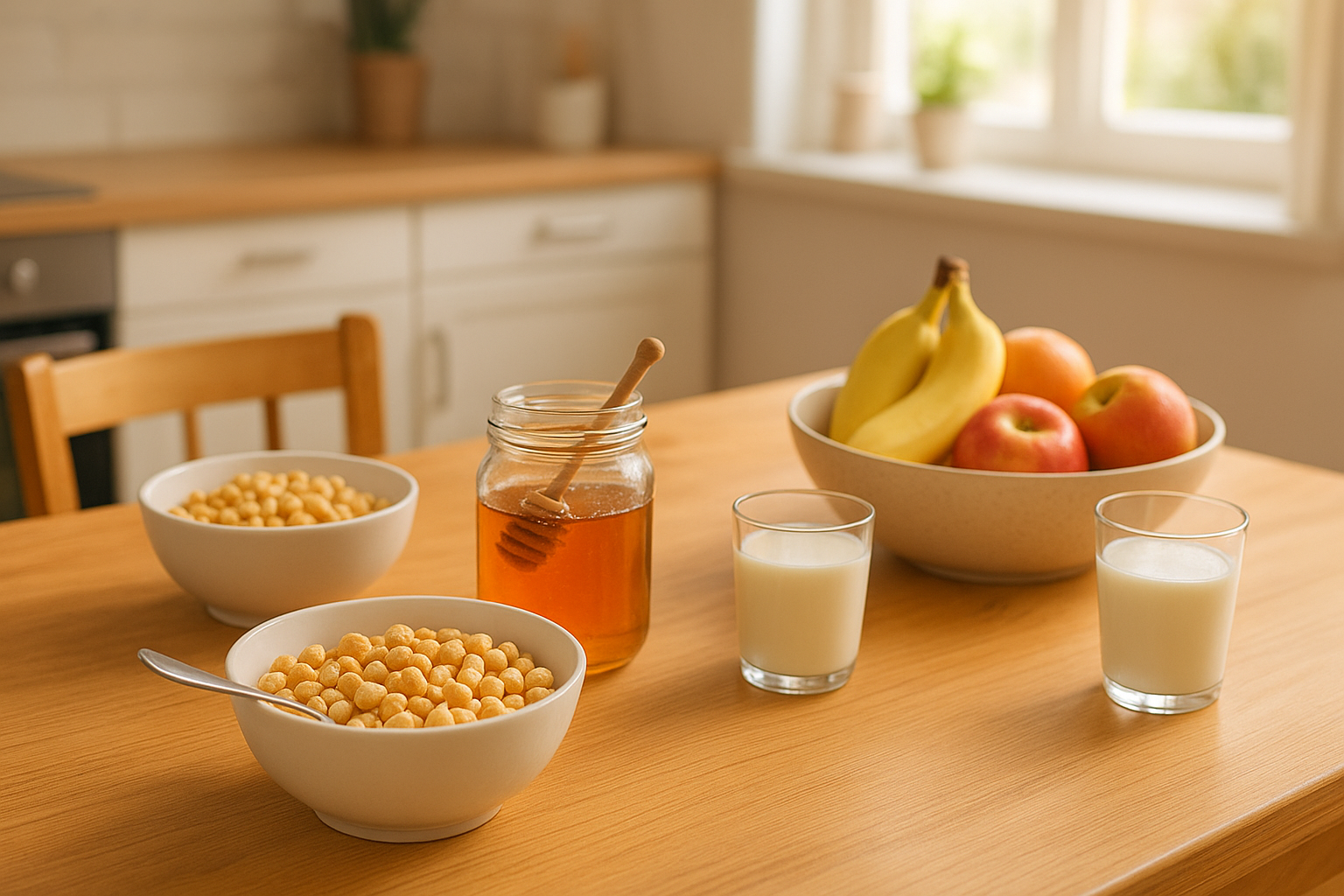
A family breakfast built around organic cereal, honey, and simple ingredients.
Frequently Asked Questions About Organic Cereal
What makes a cereal officially organic?
A cereal is officially organic when its grain ingredients are certified under the USDA National Organic Program, meaning they were grown without synthetic pesticides, synthetic fertilizers, or genetically modified seeds. The finished product must also avoid most synthetic additives to carry the USDA Organic seal.
Is organic cereal automatically healthier than conventional cereal?
Not necessarily. Organic cereal avoids certain synthetic farming inputs, but it can still contain high amounts of refined sugar, seed oils, or heavy processing, so reading the full ingredient label matters more than the organic claim alone.
Does organic cereal contain less sugar than regular cereal?
Organic certification has no direct connection to sugar content, so an organic cereal can contain just as much sugar as a conventional one. Checking the nutrition facts panel is the only reliable way to compare sugar across brands.
What is the difference between puffed and extruded organic cereal?
Puffed cereal is made by heating whole grain kernels under pressure until trapped steam causes them to expand, similar to popcorn. Extruded cereal is cooked and reshaped through a high-heat, high-pressure machine, which can alter the grain more significantly.
Are all organic cereals gluten-free?
No. Many organic cereals, including those made with Khorasan wheat, contain gluten, while others made from corn or rice may be gluten-free depending on processing. Always check the allergen statement on the package rather than assuming based on the organic label.
How much more does organic cereal typically cost?
Organic cereal generally costs somewhat more than conventional cereal because organic farming, certification, and smaller production runs add cost throughout the supply chain. Prices vary widely by brand and retailer, so comparing unit prices is the most reliable approach.
How long does organic cereal stay fresh once opened?
Most organic cereals stay fresh for several weeks after opening when stored in a sealed container in a cool, dry pantry. Because organic cereals often skip synthetic preservatives, checking for staleness before eating is a good habit.
What does Non-UPF verification mean on a cereal box?
Non-UPF verification, such as the certification offered by WISEcode, confirms through independent review that a food does not meet common criteria used to define ultra-processed foods. It adds a processing-focused layer of transparency that the organic label does not cover.
Why does glyphosate residue testing matter for organic cereal?
Glyphosate is a widely used herbicide in conventional agriculture, and certification programs like The Detox Project's Glyphosate Residue Free standard independently test finished products to confirm no detectable residue remains. This offers reassurance beyond what organic farming rules alone guarantee.
What is a common mistake parents make when choosing organic cereal?
A common mistake is assuming the word "organic" on the front of the box means the cereal is automatically low in sugar or minimally processed. It is important to check the ingredient list, sugar content, and certifications before deciding.
Can kids with wheat allergies eat organic cereal?
Not every organic cereal is safe for a wheat allergy, since many popular options, including those made with Khorasan wheat, contain gluten. Families managing a wheat allergy should choose a corn-based organic cereal and confirm ingredients on the current label.
What ingredients should I avoid even in an organic cereal?
Even within organic cereal, it is worth avoiding seed oils, refined cane sugar as a primary sweetener, and long lists of gums or artificial flavorings. Favoring cereals with short, recognizable ingredient lists generally leads to a cleaner product.
Is organic cereal suitable for vegans?
Many organic cereals are plant-based, but some are sweetened with honey, which strict vegans typically avoid. Checking the ingredient list for honey versus plant-based sweeteners like monk fruit or maple syrup confirms whether a specific organic cereal fits a vegan diet.
Can toddlers eat organic cereal?
Most puffed organic cereals work well for toddlers once they can safely chew small, dry pieces, though parents should check for choking hazards and confirm the sugar content stays low. Introducing a small amount first helps rule out allergies before regular servings.
Where can I buy organic cereal brands like Good Grains?
Good Grains' organic cereals are available through major online marketplaces such as Amazon and Instacart, as well as participating grocery retailers nationwide. Checking the Where to Buy section at Good Grains confirms local options, since availability varies by location.
Final Thoughts: Choosing the Right Organic Cereal for Your Family
Choosing organic cereal is a meaningful first step toward a cleaner breakfast, but it works best as part of a broader checklist. In addition to the USDA Organic seal, look for independent verification, a short ingredient list, honest sugar sources, and a processing method that respects the whole grain. Above all, remember that organic cereal is not automatically low in sugar or minimally processed — the nutrition label and certifications tell the rest of the story. Brands like Good Grains show that nostalgic, kid-approved flavor does not have to come at the expense of ingredient transparency. Ultimately, the best organic cereal for your family is one that satisfies both the label and the breakfast table.

0 comments