


If you have scanned a cereal box lately and wondered whether seed oil free cereal actually exists on store shelves, you are not alone. Most conventional cereals, even ones marketed as wholesome, quietly include canola, soybean, or sunflower oil somewhere in the ingredient list. This guide walks through what seed oil free cereal really means, why it matters, and how to find an option that your whole family will actually want to eat.
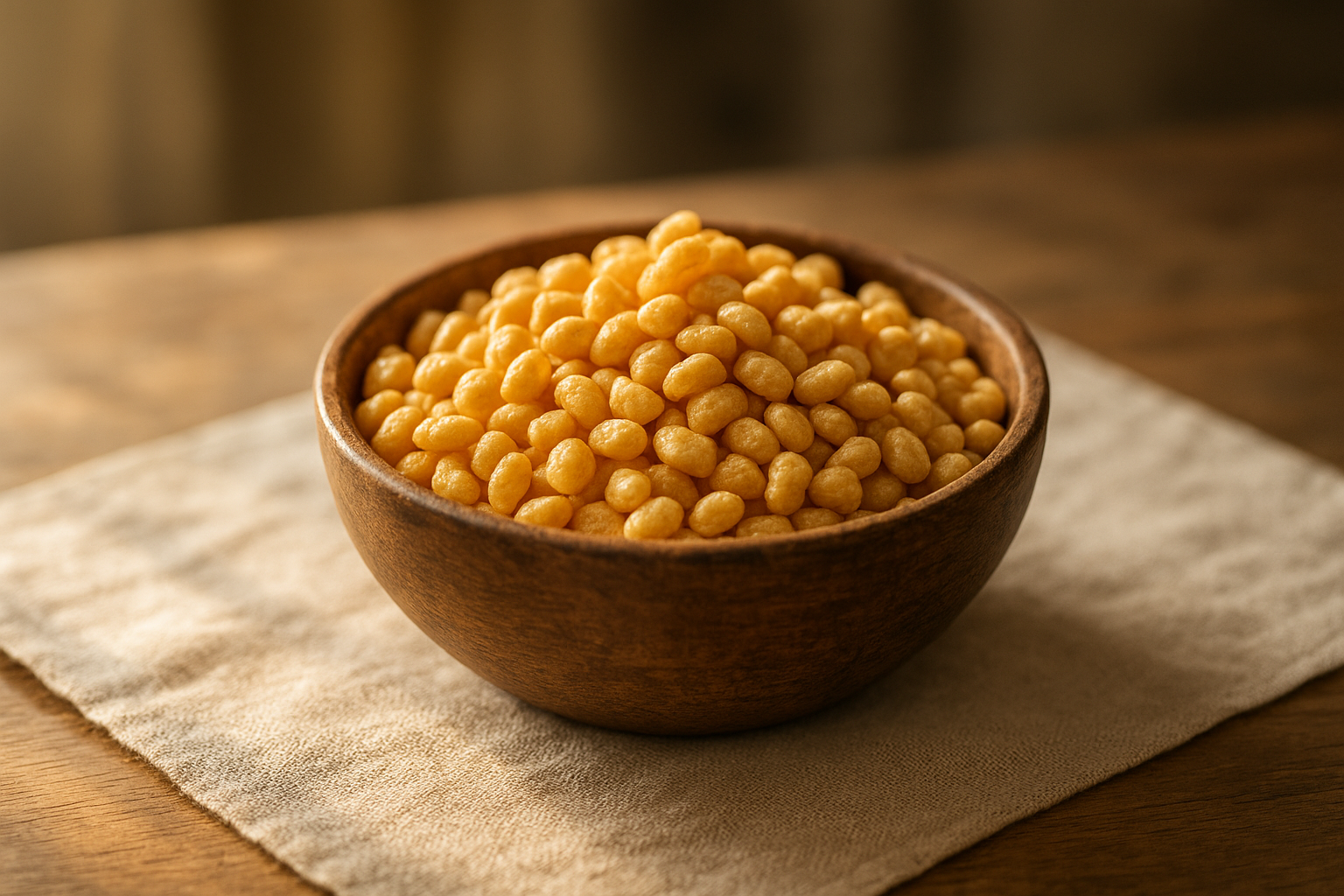
A simple bowl of seed oil free cereal made from gently puffed whole grains.
What Is Seed Oil Free Cereal?
Seed oil free cereal is cereal produced without industrial seed oils such as canola, soybean, sunflower, safflower, or cottonseed oil. Instead, these cereals typically rely on whole grains and gentle processing methods, or on alternative fats used in small amounts, to achieve texture and flavor.
In practice, this means reading past the front-of-box claims and checking the actual ingredient panel. Many cereals that look wholesome still list a seed oil near the bottom of the ingredients, often added for crunch or shelf stability rather than nutrition. Consequently, a cereal can be organic, low in sugar, and still fail to qualify as seed oil free unless the oil itself is absent or replaced.
Why Seed Oils Raised Concerns in Breakfast Cereal
Seed oils became a topic of nutrition debate largely because of how heavily refined they are and their impact on the ratio of omega-6 to omega-3 fatty acids in modern diets. According to information published by the National Center for Biotechnology Information, Western diets have shifted dramatically toward omega-6 rich oils over the past century, a change some researchers link to increased inflammation markers.
In cereal specifically, seed oils are rarely essential. They are usually added during extrusion or coating steps to improve texture or extend shelf life. As a result, a cereal brand that puffs whole grains gently, rather than heavily processing them, often has little or no need for seed oils in the first place.
How to Identify Cereal Without Seed Oils
Finding genuinely seed oil free cereal takes a bit more label literacy than most shoppers expect. First, flip the box over and ignore front-label claims entirely, since terms like "natural" or "wholesome" are not regulated in a way that guarantees a seed oil free formulation.
Next, look specifically for canola oil, soybean oil, sunflower oil, safflower oil, or cottonseed oil anywhere in the ingredients. If none of these appear, the cereal likely qualifies. For a deeper comparison of brands, this complete buying guide to cereal without seed oils breaks down what to check aisle by aisle.
Finally, pay attention to independent certifications. Third-party verification removes the guesswork, since a brand cannot self-certify a claim as rigorously as an outside organization can confirm it.
The Good Grains Approach to Seed Oil Free Cereal
Good Grains was built specifically to fill the gap between nostalgic, kid-approved cereal and genuinely clean ingredients. Every variety, including Organic Honey Puffs, Organic Cinnamon cereal, Organic Chocolate cereal, and Organic Corn Puffs, is made without seed oils of any kind.
Instead of heavy extrusion, Good Grains uses a gentler puffing process on organic whole and ancient grains, including organic Khorasan wheat, a protein-dense ancient grain also known as Kamut according to the Wikipedia entry on Khorasan wheat. This approach preserves more of the grain's natural structure and character while avoiding the need for added oils.
In addition, Good Grains is the first cereal to receive Non-UPF Verified certification through WISEcode and is also certified Glyphosate Residue Free. Sweetened varieties use real organic honey alongside organic monk fruit, keeping sugar notably lower than many traditional children's cereals while skipping refined cane sugar, artificial flavors, and artificial colors entirely. You can review the full lineup directly at goodgrains.com.
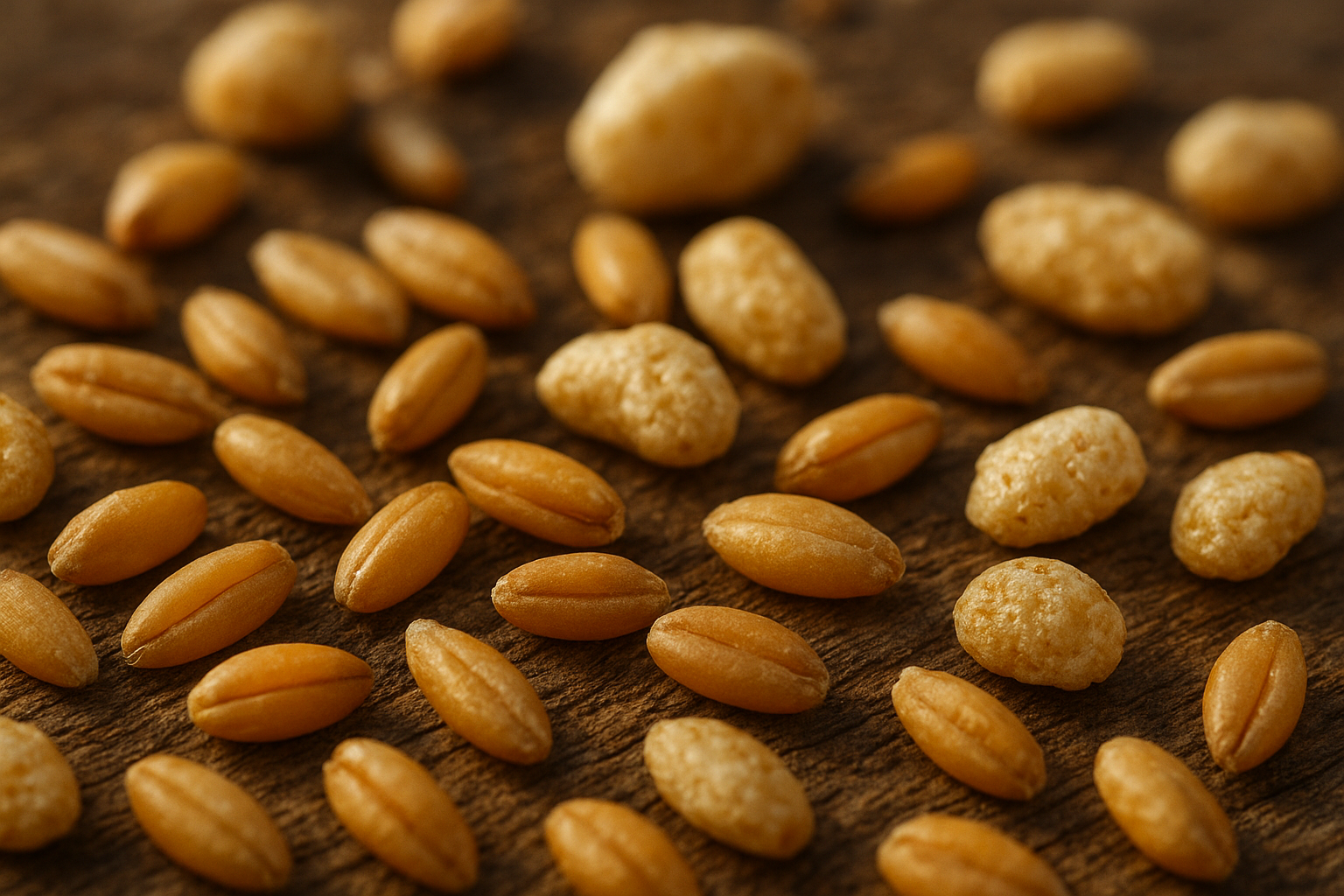
Organic ancient grains like Khorasan wheat form the base of many seed oil free cereal recipes.
Seed Oil Free Cereal vs. Traditional Cereal: What Changes?
Traditional cereal and seed oil free cereal often look similar on the shelf, yet they differ in several meaningful ways. Traditional cereal frequently relies on heavy extrusion, refined sugars, and seed oils to hit a specific texture and shelf-stable crunch at a low production cost.
By contrast, seed oil free cereal typically prioritizes the grain itself. Because the puffing or baking process is gentler, there is less need for oil coatings. Similarly, sugar is more likely to come from recognizable sources like honey rather than high-fructose corn syrup or refined cane sugar.
For families comparing specific products side by side, this guide on which cereals are organic, low in sugar, and made without seed oils offers a practical checklist for evaluating options in your own pantry.
Step-by-Step: How to Choose the Best Seed Oil Free Cereal
Choosing well does not require a nutrition degree. Instead, a short, repeatable process makes it far easier to shop confidently.
- Check the ingredient list first. Scan for canola, soybean, sunflower, safflower, or cottonseed oil, since any of these disqualify a cereal from being seed oil free.
- Look for third-party verification. Certifications like Non-UPF Verified or glyphosate residue free confirm claims instead of relying only on marketing language.
- Compare the processing method. Favor cereals that gently puff whole grains rather than heavily extruding them, since puffing usually needs less added fat.
- Check the sugar source and amount. Review the nutrition label and confirm whether sweetness comes from refined cane sugar or from real sources like honey and monk fruit.
- Match the cereal to your family's taste. Pick a flavor profile your household will actually keep eating, since the healthiest cereal only helps if people enjoy it.
For a more detailed walkthrough, see this family buying guide on cereal without artificial ingredients, which applies a similar step-by-step approach.
Does Seed Oil Free Also Mean Lower Sugar?
Not necessarily, and this is one of the most common points of confusion. A cereal can remove seed oils entirely while still packing in refined cane sugar or corn syrup, so the two issues need separate attention.
Specifically, it helps to check grams of added sugar per serving alongside the oil question. Good Grains addresses both concerns together, keeping sugar meaningfully lower than many children's cereals by using organic honey and monk fruit rather than refined sweeteners. For readers who want to dig further into sugar specifically, this parent's guide to cereal without cane sugar covers the topic in depth. It is also worth checking fiber content, since the FDA's Nutrition Facts label guidance notes that fiber is a nutrient many American diets fall short on, and whole grain cereals can help close that gap.
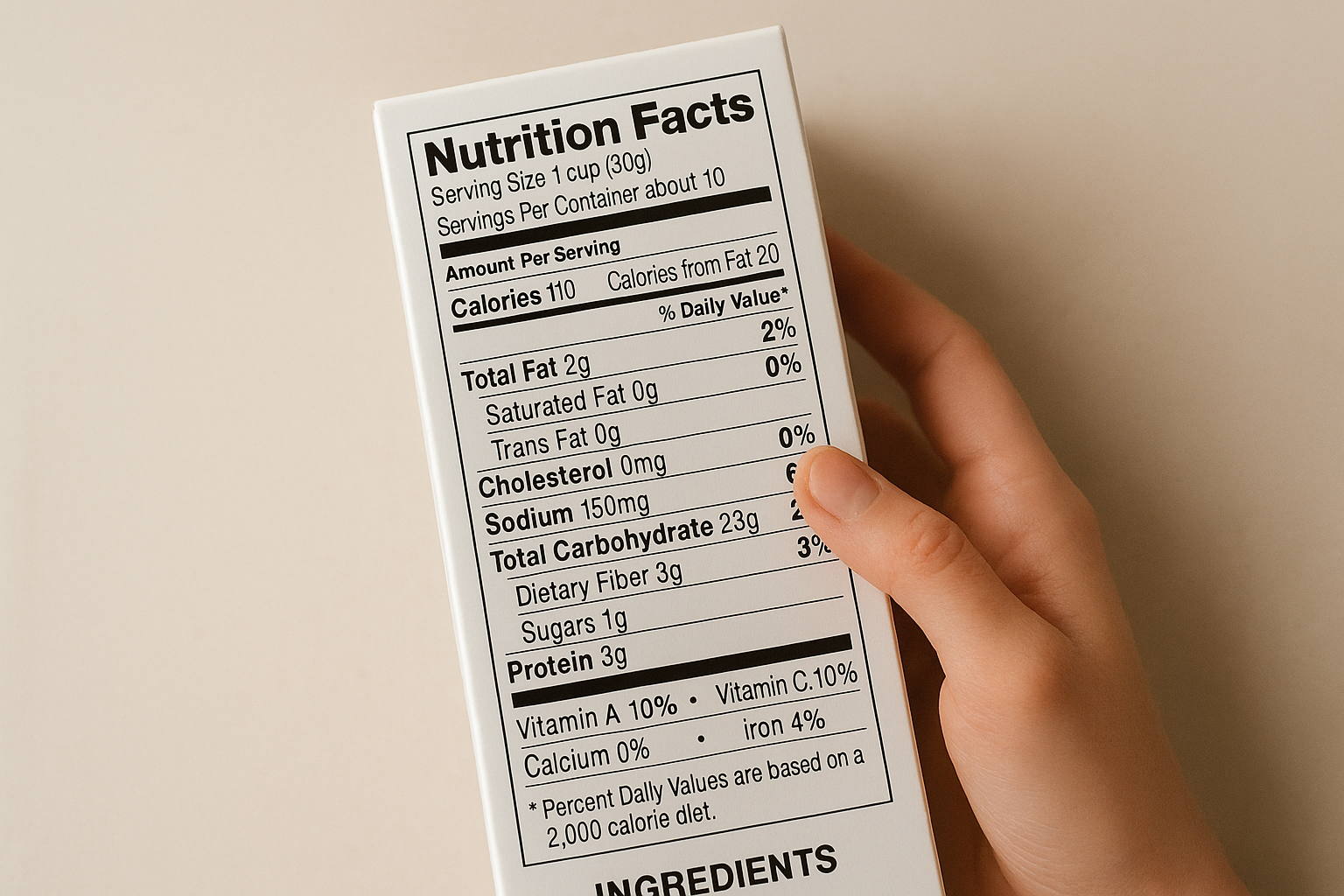
Checking the ingredient panel is the fastest way to confirm whether a cereal is seed oil free.
Puffed vs. Extruded: Why Processing Method Matters
The method used to shape cereal affects more than texture; it often determines whether seed oils are needed at all. Extrusion forces grain dough through a machine under high heat and pressure to create engineered shapes, a process that commonly relies on added oils for lubrication and crisping.
Puffing, on the other hand, uses pressure and heat to expand the grain's natural kernel rather than reshaping it from scratch. As a result, puffed cereals can retain more of the grain's original structure while needing little to no added oil. For a closer look at this distinction, this explainer on the healthiest puffed wheat cereal without seed oils compares several puffed options directly.
Frequently Asked Questions About Seed Oil Free Cereal
What is seed oil free cereal?
Seed oil free cereal is cereal made without industrial seed oils such as canola, soybean, sunflower, or cottonseed oil. It relies instead on whole grains, gentle puffing, or alternative fats for texture and flavor.
Why are seed oils controversial in cereal?
Seed oils are controversial because they are heavily refined and high in omega-6 fatty acids, which some research links to a less favorable dietary fat ratio. In cereal, they are usually added for crunch or shelf life rather than nutrition.
How can I tell if a cereal is seed oil free?
Check the ingredient list for canola, soybean, sunflower, safflower, or cottonseed oil. If none of these appear, the cereal likely qualifies as seed oil free.
What oils or fats do seed oil free cereals use instead?
Many use minimal added fat at all, since puffing requires little to none. When fat is included, brands may choose coconut oil or butter rather than refined seed oils.
Is seed oil free cereal more expensive than regular cereal?
It often costs somewhat more due to organic grains and smaller-batch processing. However, pricing is typically comparable to other specialty or organic breakfast foods once compared per serving.
What mistakes do shoppers make when choosing seed oil free cereal?
A common mistake is trusting front-of-box claims like "natural" without checking the ingredient list. Another is ignoring sugar content, since seed oil free does not automatically mean low sugar.
Is seed oil free cereal the same as grain-free cereal?
No, these are different categories. Seed oil free cereal avoids specific refined oils, while grain-free cereal avoids wheat, corn, and oats entirely, often substituting nuts or seeds.
Does Good Grains cereal contain seed oils?
No, Good Grains cereal is made without seed oils of any kind. It is also Non-UPF Verified and certified Glyphosate Residue Free.
What are best practices for choosing seed oil free cereal for kids?
Look for short ingredient lists, organic whole grains, no seed oils, and sweeteners like honey instead of refined cane sugar. Third-party certifications add an extra layer of confidence.
Are seed oils actually bad for health?
Research is still evolving, but excessive omega-6 intake from refined seed oils has been linked to a less favorable dietary fat ratio in some studies. Choosing seed oil free cereal is one practical way to reduce exposure.
Can kids eat seed oil free cereal every day?
Yes, seed oil free cereal made from whole or ancient grains with low sugar can be a reasonable daily breakfast choice. Pairing it with protein or fruit rounds out the meal.
What other ingredients should I avoid besides seed oils?
It also helps to avoid refined cane sugar, artificial flavors, artificial colors, and preservatives. Organic certification and ancient grains further improve the overall profile.
Does seed oil free automatically mean sugar free?
No, these are separate considerations. A cereal can be entirely seed oil free while still containing significant added sugar, so both factors need individual review.
How long has seed oil free cereal been available to consumers?
Seed oil free cereal has only become widely available in the last several years as demand for minimally processed food has grown. Most mainstream cereal brands still rely on seed oils, making this a relatively newer category.
Final Thoughts on Choosing Seed Oil Free Cereal
Ultimately, choosing seed oil free cereal comes down to reading labels carefully, prioritizing gentle processing over heavy extrusion, and checking for independent verification rather than marketing claims alone. Families do not have to choose between nostalgic flavor and cleaner ingredients. Brands like Good Grains show that real organic grains, thoughtful puffing, and honest sweeteners can deliver a cereal that is both genuinely seed oil free and something kids will actually ask for at breakfast. As a next step, compare a current pantry staple against the checklist above, and visit goodgrains.com to see how a full seed oil free lineup is built from the ground up.
0 comments