


Cereal without refined sugar has become one of the most searched breakfast terms among parents and health-conscious adults who refuse to choose between flavor and nutrition. However, grocery aisles still bury a handful of genuinely low-sugar boxes among dozens dressed up with "natural," "wholesome," or "made with real fruit" marketing claims that mean almost nothing on their own. Fortunately, a growing category of organic cereal exists specifically to close that gap — built from minimally processed whole and ancient grains, sweetened lightly (or not at all) with ingredients like honey or monk fruit instead of sucrose, dextrose, or corn syrup.
Quick answer: Cereal without refined sugar is cereal made with little to no processed sweetener — no sucrose (table sugar), dextrose, or high fructose corn syrup. Instead, it relies on whole grains, ancient grains, or natural alternatives like organic honey and monk fruit, often backed by certifications such as USDA Organic, Non-UPF Verified, or Glyphosate Residue Free to prove the claim rather than just stating it.
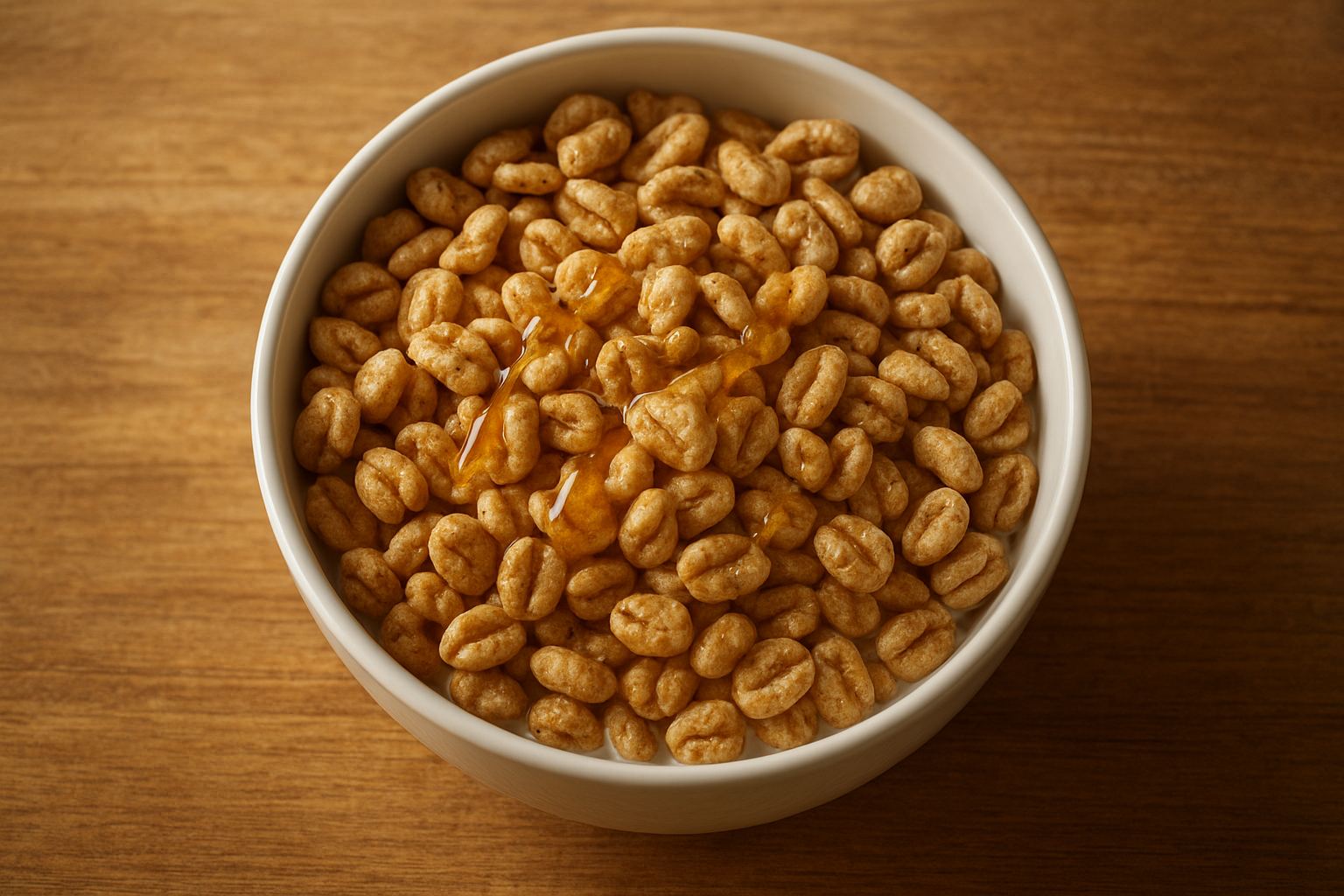
A bowl of naturally sweetened, minimally processed cereal without refined sugar.
What Is Cereal Without Refined Sugar, Exactly?
Cereal without refined sugar skips processed sweeteners such as sucrose, dextrose, and high fructose corn syrup. In particular, refined sugar refers to sugar that has been chemically stripped of the fiber, minerals, and molasses found in its raw source, leaving a concentrated sweetener with calories but little else. For a technical breakdown of how that refining process works, Wikipedia's overview of refined white sugar explains the full extraction and crystallization process in detail.
As a result, cereal made without it tends to carry a milder, more natural sweetness that comes from the grain itself rather than an added syrup. Some brands use organic honey or monk fruit instead, which still satisfies a sweet tooth without the same glycemic load. Consequently, these cereals often pair lower sugar with higher fiber, since whole grains keep more of their original bran and germ structure intact instead of being stripped down into refined flour or starch.
Why Added Sugar Took Over the Cereal Aisle
Refined sugar became the default cereal ingredient for practical, not nutritional, reasons. It is inexpensive, shelf-stable, and reliably boosts flavor in products that are otherwise made from heavily engineered grain extrusions — a manufacturing process that forces grain slurry through machinery under high heat and pressure. In addition, sugar helps mask the bland, cardboard-like taste that can result from that intense processing, which is exactly why so many boxes lean on it so heavily.
According to the American Heart Association, children should consume no more than about 25 grams of added sugar per day, and some pediatric guidelines recommend avoiding added sugar entirely before age two. Yet a single serving of some popular children's cereals contains 10 to 12 grams of refined sugar, which eats up nearly half that daily budget before the school day even begins. The U.S. Food and Drug Administration now requires "Added Sugars" to appear as its own line on every Nutrition Facts label, which makes that specific line one of the fastest ways to check a box before it goes in the cart.
Added Sugar Limits for Kids and Adults: How Much Is Too Much?
Most families focus only on kids' limits, but adults need the context too, since cereal is rarely a kids-only food in most households. Specifically, the American Heart Association recommends that adult women cap added sugar at roughly 25 grams a day, while men can go up to about 36 grams. In contrast, children between ages two and eighteen should stay under 25 grams, and toddlers younger than two should avoid added sugar altogether whenever possible.
The Centers for Disease Control and Prevention notes that added sugars provide calories with essentially no nutritional benefit, which is precisely why a single cereal serving eating up 40-50% of a daily limit matters so much. Therefore, when comparing boxes, it helps to think in terms of "budget used" rather than just the raw gram number on the label — a 3-gram serving uses roughly 12% of a child's daily allowance, while a 12-gram serving uses nearly half of it in one bowl.
How to Choose Cereal Without Refined Sugar: A 6-Step Framework
Finding the right box does not have to be complicated. Specifically, the six steps below let any parent evaluate a cereal in the aisle in under two minutes, without needing a nutrition degree.
- Scan the ingredient list first. Look past the front-of-box marketing and check for hidden refined sugar names such as sucrose, dextrose, corn syrup, or maltose listed near the top, since ingredients are ordered by weight.
- Check for independent certifications. Look for verifications such as Non-UPF Verified, USDA Organic, or Glyphosate Residue Free, since these confirm claims through third-party testing rather than relying on marketing language alone.
- Compare sugar grams to daily limits. Compare the grams of sugar per serving against recommended daily added sugar limits for children and adults to see how much of the daily budget one bowl actually consumes.
- Evaluate fiber and whole grain content. Confirm that whole or ancient grains are listed as the first ingredient rather than refined flour or starch fillers, and check that fiber reaches at least 3 grams per serving.
- Check the glycemic load of the sweetener used. Honey and monk fruit generally raise blood sugar more gently than sucrose or corn syrup, so identifying the sweetener type tells you more than the gram count alone.
- Taste test as a family before buying in bulk. Let everyone try a small bowl before committing to a full case, since texture and sweetness preferences vary noticeably between children and adults alike.
For a deeper breakdown of specific products side by side, this complete guide to low-sugar cereal for families compares real boxes against this exact framework.
Natural Sweeteners Compared: Honey, Monk Fruit, and Sugar Alcohols vs Refined Sugar
Not every sweetener behaves the same way in the body. In particular, glycemic index — a plain-language way of measuring how fast a food raises blood sugar — varies significantly between refined sugar and its natural alternatives, as shown below.
| Sweetener | Glycemic Index | Flavor Notes | Commonly Found In |
|---|---|---|---|
| Refined cane sugar (sucrose) | ~65 | Sharp, one-note sweetness | Traditional children's cereal |
| High fructose corn syrup | ~62 | Very sweet, syrupy | Mass-market cereal, snack bars |
| Organic honey | ~58 | Floral, rounded sweetness | Cereal without refined sugar |
| Monk fruit extract | 0 | Clean, mild, slightly fruity | Low-sugar, naturally sweetened cereal |
What Makes Good Grains a Standout Low-Sugar Cereal Choice
Good Grains was built specifically to fill the gap between nostalgic sugary cereal and overly engineered "health food." Rather than heavily extruding grains into shapes, Good Grains uses a gentle puffing process that keeps more of the grain's natural structure and nutty character intact.
Sweetened varieties use organic honey along with organic monk fruit, keeping sugar significantly lower than many traditional children's cereals while still delivering a familiar taste. Furthermore, the brand sources organic Khorasan wheat and organic corn, and every product is USDA Organic, made without seed oils, refined cane sugar, preservatives, or artificial flavors and colors.
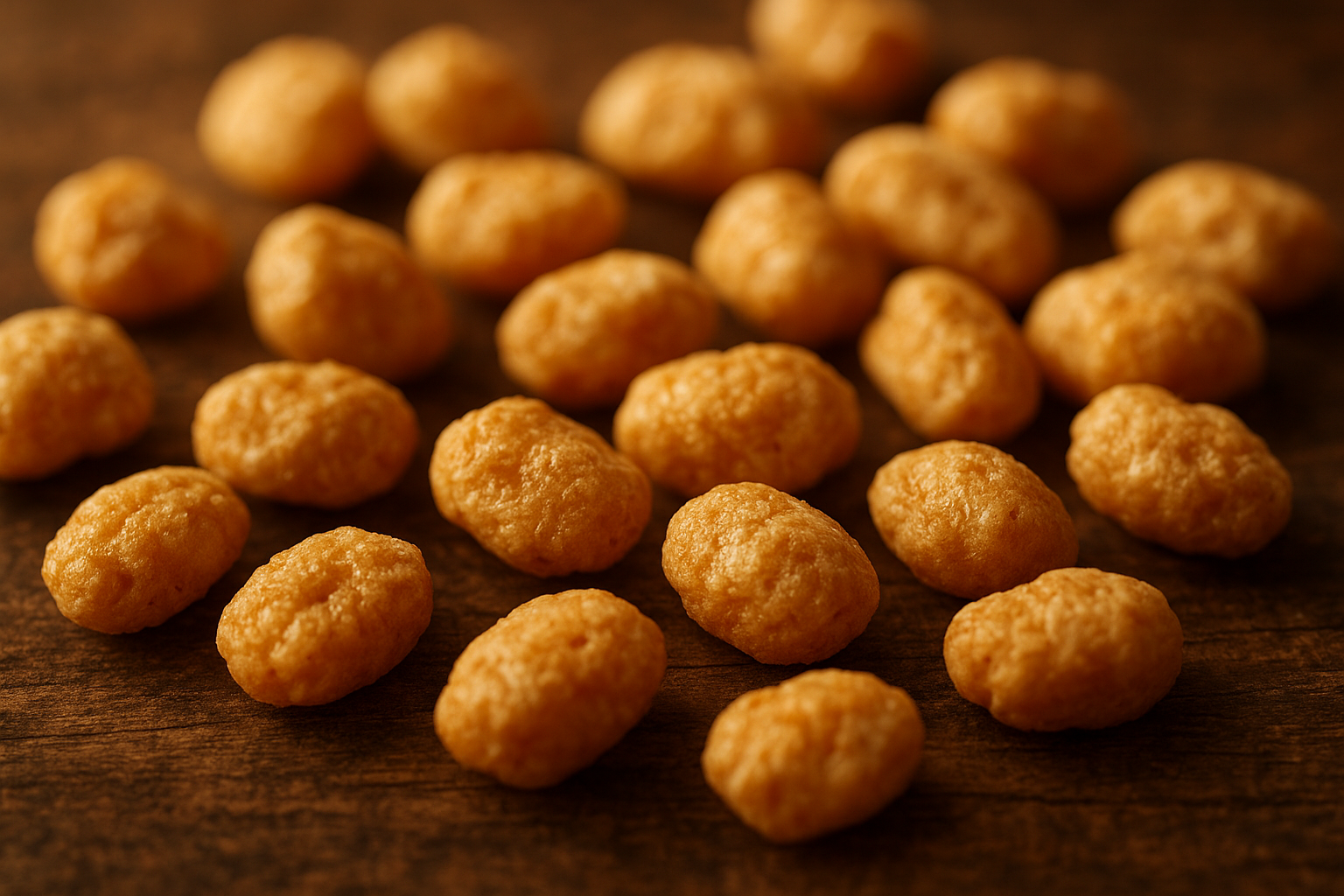
Gently puffed whole grains retain more natural texture than heavily extruded cereal.
Notably, Good Grains was the first cereal to earn Non-UPF Verified certification through WISEcode and is also certified Glyphosate Residue Free — two markers that go beyond the "organic" label alone. For parents comparing organic options more broadly, this guide to the best organic cereal for kids explains what those certifications actually mean in practice. You can also browse the full lineup directly at goodgrains.com.
How to Spot Hidden Added Sugars on a Cereal Label
Refined sugar hides under many names, which makes labels tricky to interpret quickly. In particular, ingredient lists may include sucrose, dextrose, maltose, corn syrup, cane syrup, or fruit juice concentrate — all of which function as added sugar even though they sound different from one another.
Therefore, it helps to read the full ingredient list rather than trusting front-of-box claims like "made with real fruit" or "naturally flavored." Since the FDA requires added sugars to appear as their own line on the nutrition facts panel, that line remains the single most reliable place to check before trusting any package claim. For more on building a complete clean-label breakfast routine, this smart parent's guide to clean cereal for kids walks through additional label red flags to watch for.
Puffed vs Extruded: Why Processing Method Matters as Much as Sugar
Sugar content is only half the story. Specifically, puffed cereal uses heat and pressure to gently expand whole grain kernels, keeping more of their natural bran, germ, and fiber structure intact. In contrast, extruded cereal forces a grain slurry through high-pressure machinery into engineered shapes, a process that typically strips out fiber and often requires added sugar simply to restore flavor that the processing destroyed.
As a result, two boxes with similar sugar numbers can still differ enormously in overall nutritional quality. Above all, checking both the sugar line and the processing method together — not sugar grams alone — gives a far more accurate picture of how "clean" a cereal without refined sugar really is.
Traditional Cereal vs Naturally Sweetened Cereal: A Side-by-Side Comparison
When placed side by side, the difference is often stark, as the table below shows.
| Feature | Traditional Children's Cereal | Cereal Without Refined Sugar |
|---|---|---|
| Sugar per serving | 10–12g | 2–5g |
| Primary sweetener | Sucrose or corn syrup | Organic honey or monk fruit |
| Fiber per serving | 1–2g | 3–5g |
| Main grain | Refined corn or rice flour | Whole or ancient grains, e.g. Khorasan wheat |
| Processing method | Heavy extrusion | Gentle puffing |
Similarly, fiber content tends to move in the opposite direction of sugar: whole and ancient grains that have not been stripped down through heavy extrusion generally retain more of their natural fiber, which supports steadier energy throughout the morning. Families weighing honey-sweetened options specifically may find this guide on low-sugar cereal with honey useful, alongside this broader healthy family cereal guide.
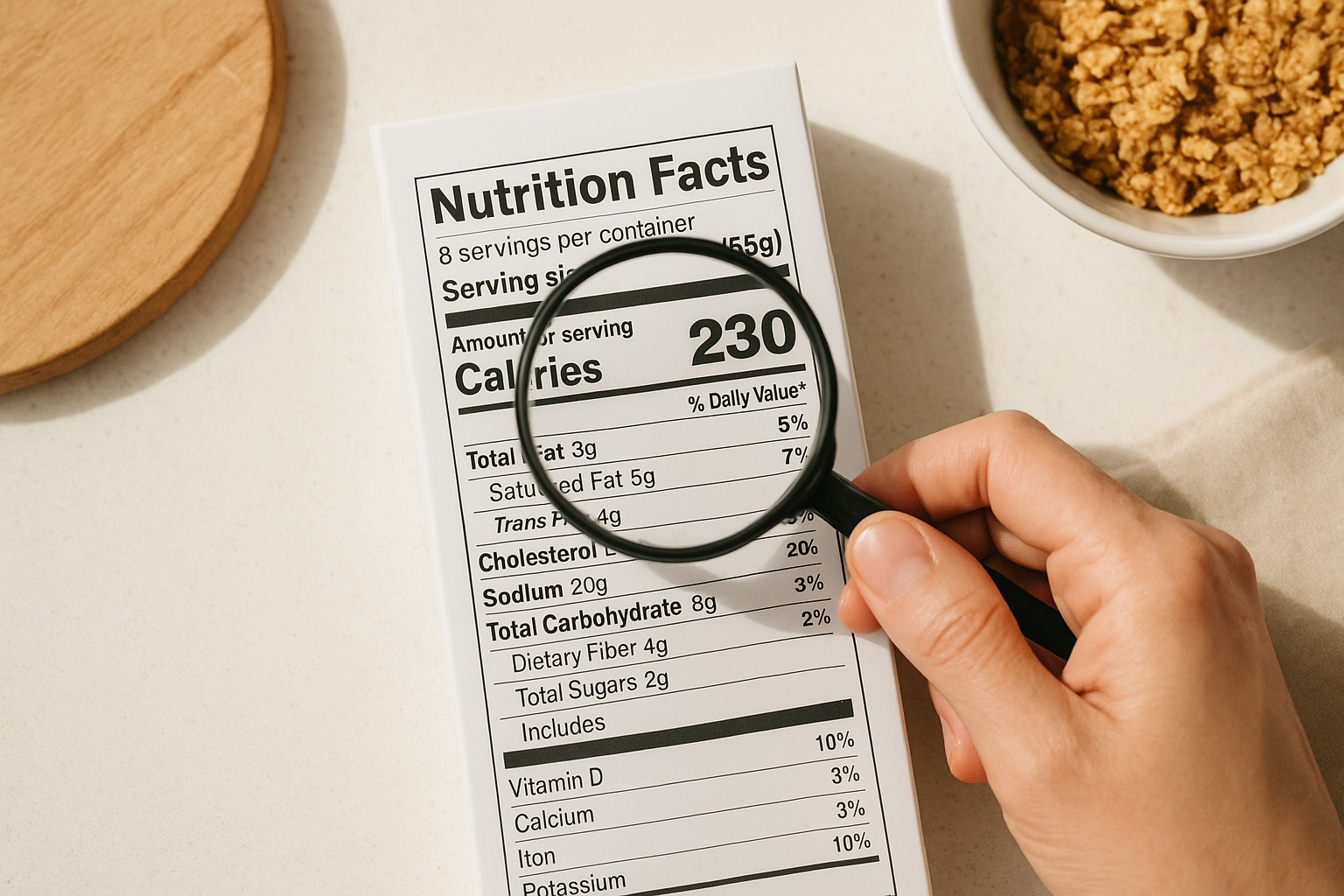
Reading the nutrition label closely helps confirm a cereal is truly low in refined sugar.
More Cereal Without Refined Sugar Guides Worth Reading
For families who want even more specific recommendations, these related guides dig deeper into individual product categories:
- Best honey-sweetened cereals without refined sugar
- Best cereals with no refined cane sugar and no artificial colors or flavors
- No refined sugar cereal: best options for families
- Healthiest cereals for kids that actually taste good
Frequently Asked Questions About Cereal Without Refined Sugar
What is cereal without refined sugar?
Cereal without refined sugar is cereal made with little to no processed sweeteners like sucrose or corn syrup. Instead, it relies on the natural flavor of whole grains or natural sweeteners such as honey and monk fruit.
How is cereal without refined sugar different from regular cereal?
Regular cereal often uses refined sugars like sucrose or high fructose corn syrup as a primary ingredient. Cereal without refined sugar swaps these for whole grains, natural sweeteners, or significantly reduced sugar levels.
Why is refined sugar used in most children's cereals?
Refined sugar is cheap, shelf-stable, and reliably boosts flavor, which makes it appealing for mass-produced cereal. It also helps mask the bland taste that can result from heavy grain extrusion.
Is cereal without refined sugar the same as sugar-free cereal?
Not exactly. Sugar-free implies zero sugar of any kind, while cereal without refined sugar may still contain small amounts of natural sweeteners like honey.
How much sugar is considered too much in a cereal serving?
The American Heart Association recommends children consume no more than about 25 grams of added sugar per day. A single serving of some popular cereals can contain 10 to 12 grams, using nearly half that limit before breakfast is over.
What sweeteners are used instead of refined sugar in healthier cereals?
Common alternatives include organic honey, monk fruit extract, and the natural sweetness of the grain itself. These options generally have a lower impact on overall added sugar intake.
Does cereal without refined sugar taste different from traditional cereal?
It can taste slightly less intensely sweet, but many families find the flavor familiar and satisfying. Ancient grains and honey-based sweeteners often deliver a comforting, nostalgic taste.
How can I tell if a cereal is truly low in refined sugar?
Check the ingredient list for names like sucrose, dextrose, or corn syrup near the top. Also compare grams of sugar per serving on the nutrition label against similar products.
Is organic cereal automatically free of refined sugar?
No. Organic simply means the ingredients meet USDA organic farming standards. A cereal can be organic and still contain organic cane sugar, so the label still needs to be checked.
What is the difference between puffed and extruded cereal?
Puffed cereal uses heat and pressure to gently expand whole grain kernels while keeping more of their natural structure. Extruded cereal forces grain slurry through machinery into engineered shapes, often requiring more processing aids.
How much does cereal without refined sugar typically cost compared to regular cereal?
Organic, minimally processed cereals often cost somewhat more per box than conventional cereal due to ingredient sourcing and certification costs. Many parents consider the trade-off worthwhile given the lower sugar and cleaner ingredient list.
What mistakes do parents make when trying to reduce refined sugar in cereal?
A common mistake is assuming a cereal is healthy simply because it says "natural" or "organic" on the front. Another is switching to an unfamiliar tasting cereal all at once instead of transitioning gradually.
Are ancient grains like Khorasan wheat healthier than regular wheat in cereal?
Khorasan wheat, often sold under the Kamut brand, tends to offer more protein and minerals than conventional modern wheat varieties. It also has a naturally sweet, nutty flavor that supports lower-sugar formulations.
Can kids adjust to eating cereal without refined sugar?
Yes, most children adapt within a few weeks as their palate recalibrates to less intense sweetness. Starting with naturally sweetened options that still taste nostalgic makes the transition easier.
What's the best cereal without refined sugar for toddlers under age two?
For toddlers under two, pediatric guidance generally favors cereal with no added sugar at all, including honey, since infant honey consumption carries separate safety guidance. Plain puffed whole grain cereal, softened with milk or fruit puree, is typically the safest starting point.
Can eating cereal without refined sugar support weight management?
Lower-sugar, higher-fiber cereal tends to digest more slowly, which can support steadier energy and fewer mid-morning cravings compared to a sugar-heavy bowl. That said, portion size and overall daily calorie intake still matter more than any single breakfast choice.
The Bottom Line on Cereal Without Refined Sugar
Ultimately, cereal without refined sugar does not have to mean sacrificing flavor or familiarity. As shown throughout this guide, reading labels carefully, checking for third-party certifications, comparing sugar to fiber, and understanding the difference between puffed and extruded processing can help any family find a genuinely better bowl. Above all, healthier cereal should still feel like cereal — which is exactly why options built from organic whole and ancient grains, sweetened naturally with honey or monk fruit, offer such a practical middle ground between sugary childhood favorites and overly engineered health food.
0 comments