


Minimally processed cereal is breakfast food made from whole or ancient grains that go through only the steps necessary to make them edible and shelf-stable, such as cleaning, cooking, and gentle puffing, rather than being broken down and re-engineered into shapes through heavy extrusion. In other words, the grain still looks and behaves like a grain. For families scanning the cereal aisle, this distinction matters more than it might first appear, because it separates cereals built around real ingredients from those built around industrial formulation.
This shift toward simpler breakfast food is not a passing trend. As a result, more shoppers are asking what actually happens to grain before it lands in a bowl, and whether "whole grain" on a box really means what it implies. This article breaks down what minimally processed cereal is, how it differs from conventional and ultra-processed options, how it is made, and what to look for when choosing a box for your own pantry.
What Is Minimally Processed Cereal?
Minimally processed cereal is cereal made from whole or ancient grains using only the essential steps needed for safety, texture, and taste, without extensive mechanical alteration or synthetic additives. Specifically, it avoids high-heat extrusion, refined sugar syrups, preservatives, and artificial colors or flavors that are common in conventional cereal manufacturing.
Instead of forcing a grain slurry through metal dies to create uniform loops or flakes, manufacturers of minimally processed cereal typically cook grain kernels and then use a gentler puffing method that expands the grain while keeping much of its natural shape and fiber structure intact. Consequently, the finished cereal often looks less uniform than mass-market brands, but it retains more of the character of the original grain.
Minimally Processed vs. Ultra-Processed Cereal: What's the Difference?
The difference between minimally processed and ultra-processed cereal comes down to formulation. Ultra-processed foods, a category defined by the widely cited NOVA classification system, generally contain industrial ingredients rarely found in home kitchens, such as protein isolates, emulsifiers, and artificial flavoring agents. You can read more about this framework on Wikipedia's overview of ultra-processed food.
In fact, research published in prominent nutrition journals has found that ultra-processed foods now make up close to 60 percent of calories in the average American diet, a trend nutrition researchers at institutions like the Harvard T.H. Chan School of Public Health have flagged as a public health concern. Minimally processed cereal pushes in the opposite direction. It keeps the ingredient list short, recognizable, and closer to the whole grain it started as, rather than relying on isolated additives to mimic flavor, texture, or shelf stability.
How Minimally Processed Whole Grain Cereal Is Made
Understanding the manufacturing process helps explain why minimally processed cereal looks and tastes different from conventional options. Above all, the goal is to preserve the grain's natural structure at every step rather than dissolving it into a formless base.
- Source whole or ancient grains. Producers begin with organic grains like corn or Khorasan wheat, chosen for their natural fiber and flavor.
- Clean and hydrate the grain. The kernels are cleaned and lightly moistened to prepare them for cooking without stripping their outer layers.
- Cook the grain gently. Controlled heat softens the kernel just enough for puffing, while the grain stays largely whole rather than becoming slurry.
- Puff the grain naturally. A gentle pressure-release method expands the cooked grain into a light, crunchy piece of cereal without extrusion dies.
- Add simple flavoring. Finally, the puffed grain is lightly finished with ingredients such as organic honey or cinnamon, skipping refined sugar and artificial additives.
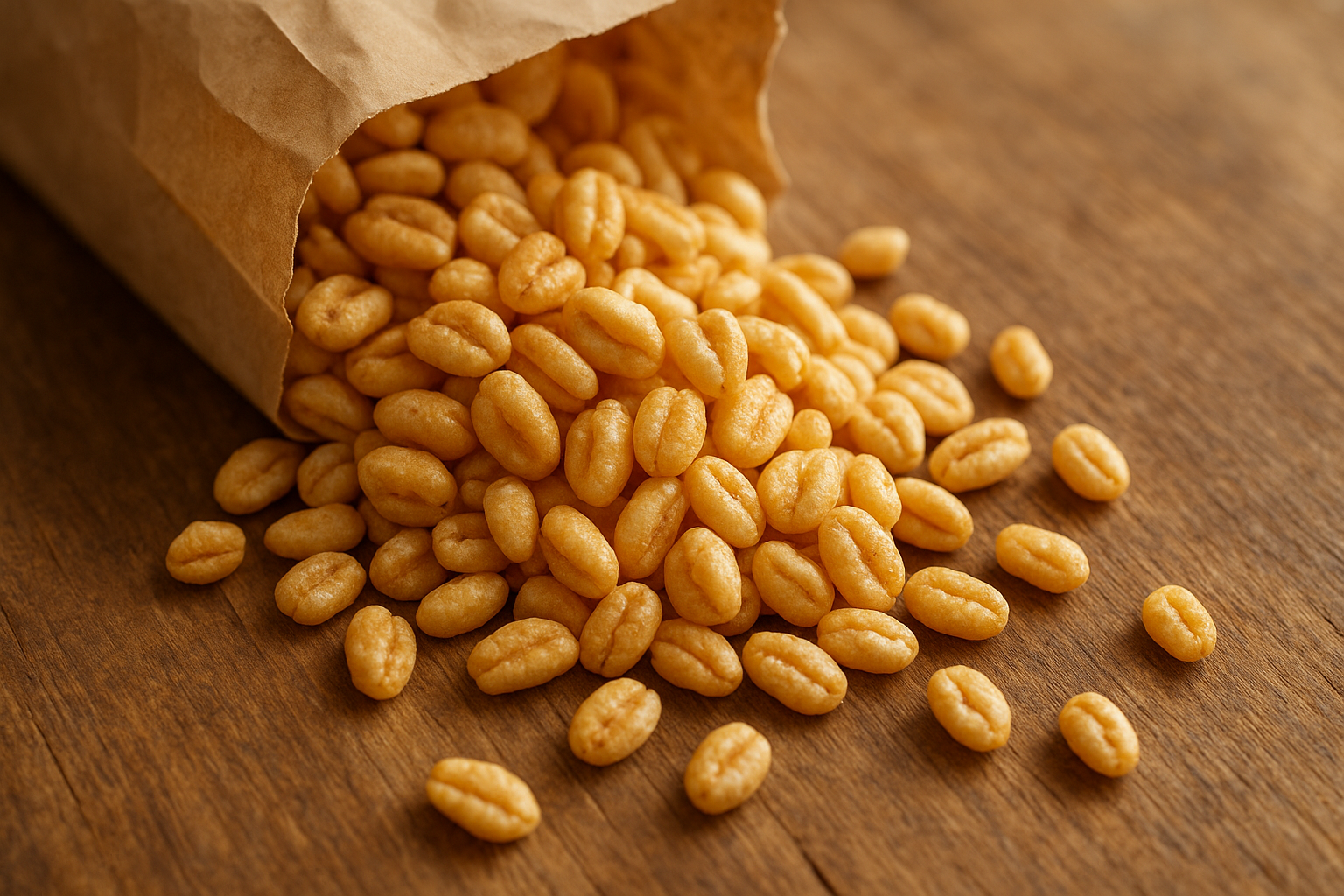
Gentle puffing helps minimally processed cereal keep more of the grain's natural texture and fiber.
Why Families Are Choosing Less Processed Cereal Options
Parents are increasingly reading cereal labels the way they read snack labels, and understandably so. For example, many traditional children's cereals list refined sugar as one of the first two or three ingredients, alongside preservatives designed purely for extended shelf life rather than nutrition.
Less processed cereal options address this gap without asking families to abandon cereal altogether. Similarly, many of these products maintain a good source of fiber, since the grain's outer layers stay more intact during gentle puffing rather than being refined away. Furthermore, lower sugar formulations using organic honey or monk fruit allow kids to enjoy a familiar sweet taste while parents avoid loading up on refined cane sugar first thing in the morning. As a result, breakfast becomes less of a tradeoff between what kids want and what parents feel good about serving.
What to Look For in a Clean-Label, Minimally Processed Cereal
Not every cereal marketed as "natural" or "whole grain" actually qualifies as minimally processed. Therefore, it helps to know which specific claims and certifications carry real weight versus which are largely marketing language.
First, check for USDA Organic certification, which confirms the grains were grown without synthetic pesticides or fertilizers; you can learn more about the standard at USDA.gov. Second, look for independent Non-UPF verification, such as certification through WISEcode, which specifically evaluates a product against ultra-processing criteria rather than relying on brand claims alone. Third, scan for glyphosate residue testing, seed oil exclusion, and the absence of artificial flavors or colors. In addition, a short, pronounceable ingredient list is often the simplest practical clue that a cereal is genuinely minimally processed rather than lightly rebranded.
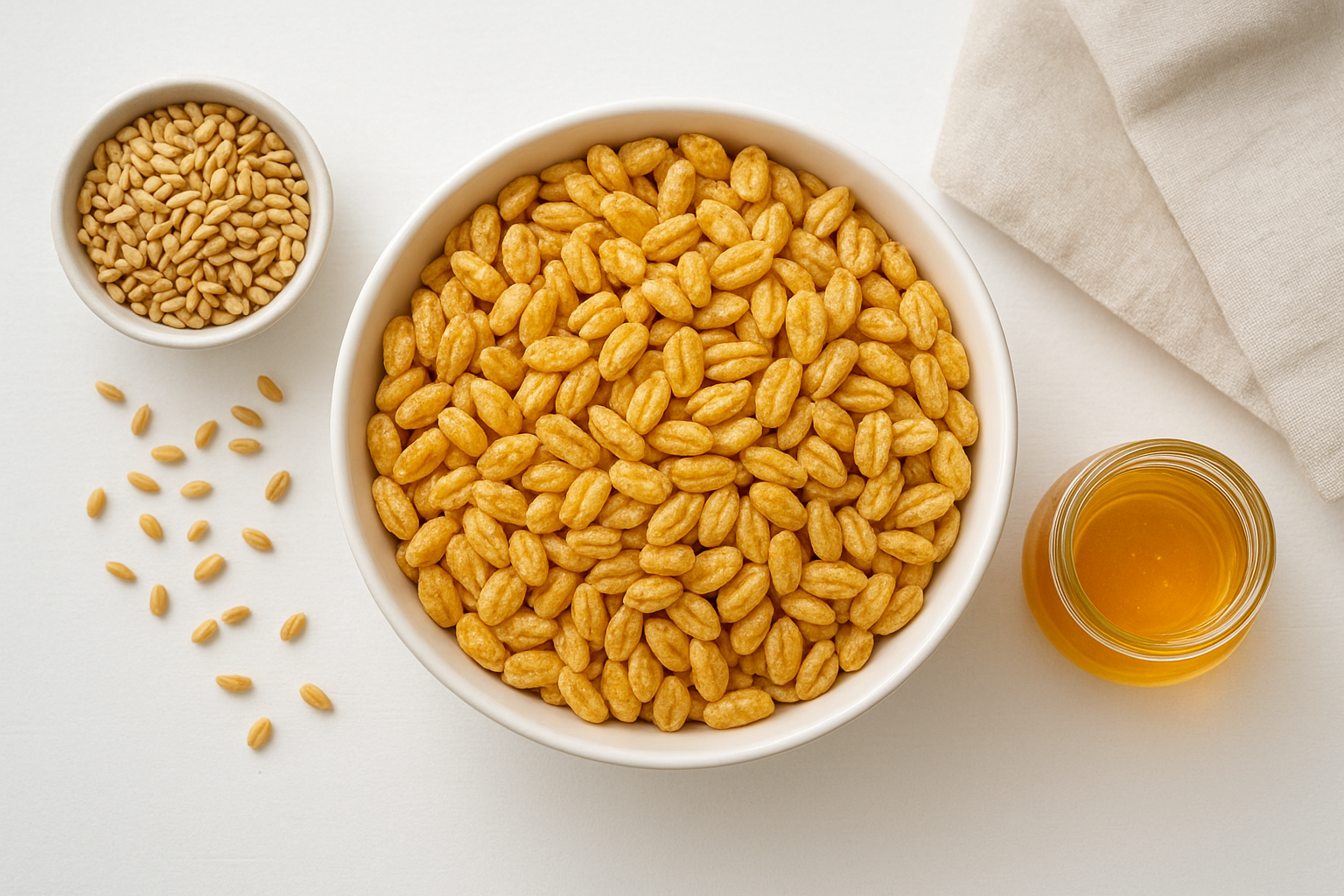
Checking the ingredient list is the fastest way to spot true minimally processed cereal on the shelf.
Good Grains: A Minimally Processed Cereal Made for Real Families
Good Grains was built specifically to fill the gap between nostalgic cereal that kids love and clean, organic ingredients parents want. In particular, the brand's Organic Honey Puffs, Organic Cinnamon cereal, and Organic Chocolate cereal use organic Khorasan wheat and organic corn, gently puffed rather than extruded, then finished with real honey and organic monk fruit instead of refined cane sugar.
Notably, Good Grains was the first cereal to earn Non-UPF Verified status through WISEcode and is also certified Glyphosate Residue Free, giving families independent confirmation rather than just a marketing claim. To see the full lineup and dig deeper into the sourcing behind each variety, visit Good Grains directly. For further reading on related topics, the articles on real food cereal, what "the good grain" means for healthier cereal, and the complete grain puff buying guide go into more detail on choosing well.
Frequently Asked Questions About Minimally Processed Cereal
What is minimally processed cereal?
Minimally processed cereal is cereal made with whole or ancient grains that go through only the steps needed for safety and edibility, such as cleaning, cooking, and gentle puffing, without heavy extrusion, refined additives, or artificial ingredients. This keeps the final product closer to the original grain.
How is minimally processed cereal different from regular cereal?
Regular cereal often relies on extrusion, which forces grain slurry through high heat and pressure to form shapes, stripping much of the grain's natural structure. Minimally processed cereal instead puffs the grain gently, keeping more of its original form and nutrients.
Is minimally processed cereal the same as non-UPF cereal?
They overlap significantly, since non-UPF cereals typically use minimal processing methods. However, non-UPF certification, such as WISEcode's Non-UPF Verified label, specifically evaluates formulation and ingredients against ultra-processing criteria.
Why does minimally processed cereal matter for health?
Diets high in ultra-processed foods have been linked to higher risks of obesity and chronic disease in population studies. Choosing minimally processed cereal reduces reliance on refined additives while preserving more fiber and nutrients from the original grain.
Does minimally processed cereal taste different from traditional cereal?
Well-made minimally processed cereal can taste very similar to nostalgic favorites, since brands like Good Grains use real honey, cinnamon, and cocoa to recreate familiar flavors. The texture may be slightly heartier due to more intact grain structure.
What grains are commonly used in minimally processed cereal?
Common choices include organic corn, oats, and ancient grains such as Khorasan wheat, which is prized for its nutty flavor and higher protein content compared to modern wheat varieties.
Is minimally processed cereal more expensive than conventional cereal?
It often costs somewhat more per box due to organic sourcing, gentler manufacturing, and independent certification. Many families consider the tradeoff worthwhile for fewer additives and better ingredient transparency.
How long does minimally processed cereal stay fresh?
Without synthetic preservatives, minimally processed cereal typically has a shelf life of several months when sealed, and freshness is usually best within a few weeks of opening. Storing it in an airtight container helps maintain crunch and flavor.
What is a common mistake people make when choosing minimally processed cereal?
A frequent mistake is assuming any cereal labeled "natural" or "whole grain" is automatically minimally processed. Those terms are not regulated the same way as organic or Non-UPF certifications, so checking the ingredient list is still essential.
Can minimally processed cereal still contain sugar?
Yes, but the sweeteners used tend to be simpler, such as organic honey or monk fruit, and the overall sugar content is usually lower than traditional children's cereals. Reading the nutrition label confirms the actual grams of added sugar per serving.
How can I tell if a cereal is glyphosate residue free?
Look for third-party certifications specifically stating glyphosate residue testing, since USDA Organic alone does not guarantee zero detectable residue. Brands that publish independent lab verification, such as Good Grains, make this claim easier to confirm.
Is minimally processed cereal suitable for kids?
Yes, minimally processed cereal is often designed with kids in mind, combining familiar flavors with organic whole grains, lower sugar, and added fiber. This makes it a practical swap for families wanting a healthier breakfast without a battle at the table.
Bringing It All Together
Ultimately, minimally processed cereal offers a practical middle ground between old-school sugary boxes and overly engineered diet products that often skip real grains entirely. By focusing on gentle puffing, organic whole and ancient grains, and simple sweeteners like honey or monk fruit, brands in this category preserve more fiber and flavor while cutting out unnecessary additives. For families weighing cereal options, checking for organic certification, Non-UPF verification, and a short ingredient list remains the most reliable way to separate genuine minimally processed cereal from clever marketing. To explore a real-world example built on these exact principles, take a look at what makes cereal truly healthy and the organic, Non-UPF breakfast pick from Good Grains.
0 comments